Morocco closes a record avocado season and is preparing ambitiously for the next campaign
The 2024/2025 avocado season in Morocco has concluded with record-breaking figures and a cautiously optimistic outlook within the country's agricultural sector. With over 100,000 tons exported, Morocco has solidified its position as a leading emerging player in the global avocado market.
According to Abdellah Elyamlahi, president of the Moroccan Avocado Association (MAVA), “100,000 tons have been exported this season. And if all the weather conditions cooperate, next year we could reach 140,000 tons.” This projection not only reflects the sector's current strength but also the confidence in the technical and logistical planning that is being implemented.
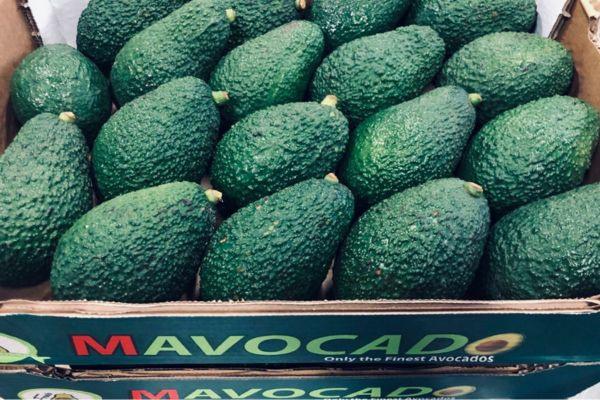
From the field, Yassin Chaib, manager of the exporting company Mavoca, highlights the impact of this campaign as a true turning point for the sector:
“We have concluded an exceptional campaign, one that marks a turning point in a company's history. With the tons already harvested, we have not only exceeded expectations but broken all previous records. Production has tripled compared to last year.”
Chaib emphasizes that this success has not been accidental, but the result of a well-executed strategy, with investment in technology, agronomic planning and professionalization of the value chain.
Preparing for the future: technology, sustainability and ambition
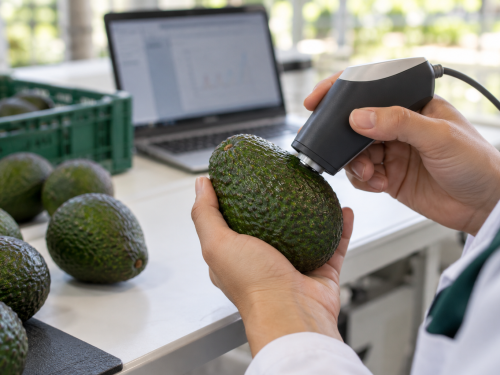
Once the harvest is over, the work doesn't stop. Moroccan orchards are already in the midst of pruning, applying phytosanitary treatments, and providing post-fruit set nutrition. "There's no time for rest," says Chaib. "Now is the time to apply technical knowledge to tree care and ensure that the next cycle begins under the best possible conditions."
Furthermore, Morocco is making progress in obtaining key certifications and maintaining organic farms, which responds both to the demands of the international market and to a firm commitment to sustainability.
This responsible approach aligns with the international trend toward regenerative and environmentally friendly agriculture. As Chaib explains, these standards are “commitments we make to the environment, consumers, and our own vision of what responsible agriculture should be.”
Projections for the next season
Expectations are high for the 2025/2026 season. Both producers and exporters estimate a 40% to 50% increase in production, which could lead Morocco to exceed 140,000 tons exported. However, all stakeholders agree on one essential point: “the weather will have the final say.”
Despite structural challenges such as water management and international competition, the Moroccan avocado sector is proving to be more resilient and prepared than ever.
With a production model that combines technology, expansion of cultivated land, and sustainability, Morocco is increasingly positioning itself alongside major avocado exporters like Peru, Mexico, and Colombia. The North African country has established stable trade relationships with demanding markets such as Spain, France, the United Kingdom, and Germany, and is now targeting new markets in Eastern Europe and Asia.