The most common quality problems when exporting avocados to Europe
It's harvest season, your avocados are ready and packaged to go.
Destination: Europe.
But before you seal the doors of your refrigerated container, take a minute to inspect your shipment and protect yourself from future claims.
A mediocre product across the pond will damage your reputation with European buyers. Nobody likes losing those hard-earned profit margins.
Go through this checklist of the 10 biggest externally visible quality problems to detect before your avocados are shipped to Europe.
Warning: This list is not exhaustive. If you would like to understand European quality standards in more detail, please contact our team. We are here to help.
Now, let's move directly to the 10 most common avocado defects and how to spot them.
How many avocados should you check?
Protect your shipment from future quality claims by conducting a thorough quality inspection process. The more comprehensive your process, the more likely you are to be able to contest any quality issues upon arrival in Europe.
Malformation, nutritional deficiencies, mechanical damage, disorders and environmental damage
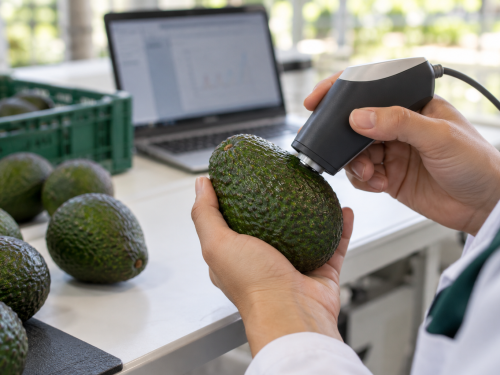
Avocados are a delicacy in Europe, but your buyers won't accept just any fruit. As an exporter, you must thoroughly inspect each avocado for common quality issues before shipping.
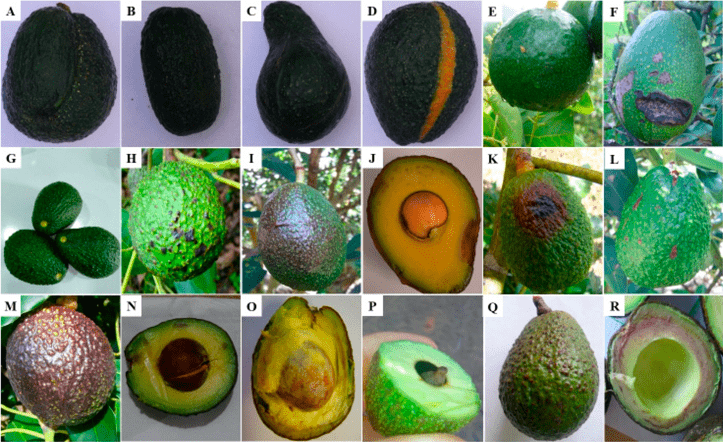 Source: https://www.mdpi.com/2073-4395/10/1/8
A) Malformation of unknown origin
B) Boron deficiency
C) Zinc deficiency
D) Natural variation
E) Shape of the fruit
F) Mechanical damage
G) Fruit without pedicel
H) Damage caused by herbicides
I) Ring neck
J) Impact damage
K) Damage from sunburn
L) Hail damage
MO) Overripe fruit
P) Necrotic seed
Q) Lenticel damage
R) Cold injury
Damage caused by pests
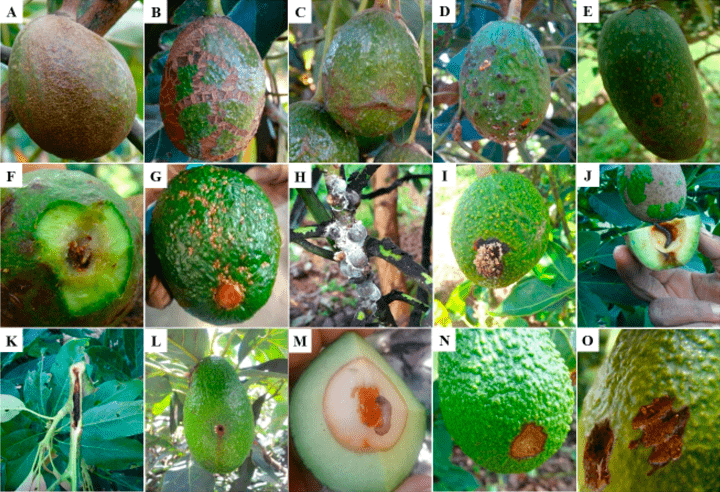
Source: https://www.mdpi.com/2073-4395/10/1/8
A) Mites
B) Melolonthidae
C) Trips
D) The monalonion insect
EF) Ovarian gall fly
GH) Scales
IK) Avocado seed moth
LM) Large avocado seed borer
NO) Damage caused by rodents
Symptoms of illness
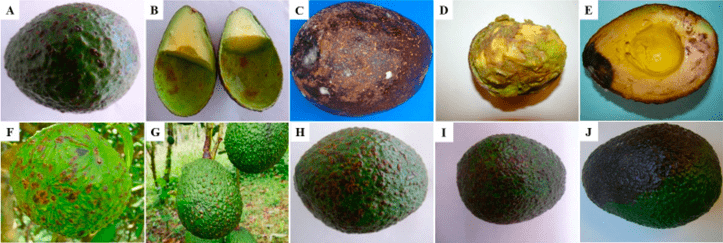
Source: https://www.mdpi.com/2073-4395/10/1/8
A) Lesion in the outer epidermis
B) Injury in the inner epidermis
C) Advanced infection in the outer epidermis
D) Advanced infection throughout the mesocarp
E) Typical symptoms associated with stem end rot
F) Surface cracks
G) Pedicel injury caused by different microorganisms
H) Crust
I) Simultaneous infection
J) Fruit rot caused by different microorganisms
Proper handling and storage to maintain avocado quality
One of the biggest mistakes exporters can make before exporting is the improper handling and storage of avocados before shipping them to Europe. How the fruit is stored from the moment it's picked until it's loaded onto the plane or cargo ship can make or break your business.
Cold storage is essential
As soon as possible after harvest, avocados should be cooled to prevent ripening and loss of quality. The ideal temperature range is 5°C (dry matter greater than 29%) to 6°C (dry matter between 23-29%). At these cooler temperatures, avocados can last for 2 to 4 weeks. Without refrigeration, avocados will ripen rapidly, lasting only 3 to 5 days. Rapid cooling is essential, so packing facilities must have refrigeration units available to cool the fruit within 24 hours of harvest.
The controlled atmosphere extends the shelf life
For larger export operations, controlled atmosphere (CA) storage is recommended. CA storage controls oxygen and carbon dioxide levels, which slows the ripening process. Avocados can last 4 to 6 weeks in CA storage. However, specialized equipment is required to properly monitor and regulate atmospheric conditions. For smaller exporters, refrigerated storage may meet their needs.
Gentle handling minimizes bruising
Bruising is one of the biggest threats to avocado quality and marketability. Avocados must be handled carefully at every stage, from harvesting to packing and storage. Dropping avocados from a height, throwing them, or dropping them into containers will result in a bruised and unsellable crop. Educate pickers and packing facility staff on proper handling techniques. Use cushioned surfaces, catching frames, and conveyor belts to gently move the fruit.
Maintaining high standards of cooling, storage, and handling will ensure your avocados arrive in Europe in optimal condition. By focusing on these critical control points in your supply chain, you'll minimize rejections and get the best prices for your crop. With premium quality and flavor, your avocados will develop a loyal following of European customers eager for their next delicious treat.
Conclusion
In summary, we've presented our fairly comprehensive list of the most common quality issues to watch out for when exporting avocados to Europe. You're now equipped with the knowledge to spot these problems before your shipment sets sail for Europe.
Inspect each piece of fruit thoroughly, trust your senses, and don't hesitate to cut some open to check the inside.
With vigilance and care, you can avoid rejections at the port of entry and disappointed buyers. Exporting can be complex, but you're one step ahead in preventing quality defects. Put these tips into practice, do your due diligence, and your European customers will be delighted with the flawless avocados you supply.
You're ready!
Promoted article