“California’s avocado season could reach 300 million pounds”
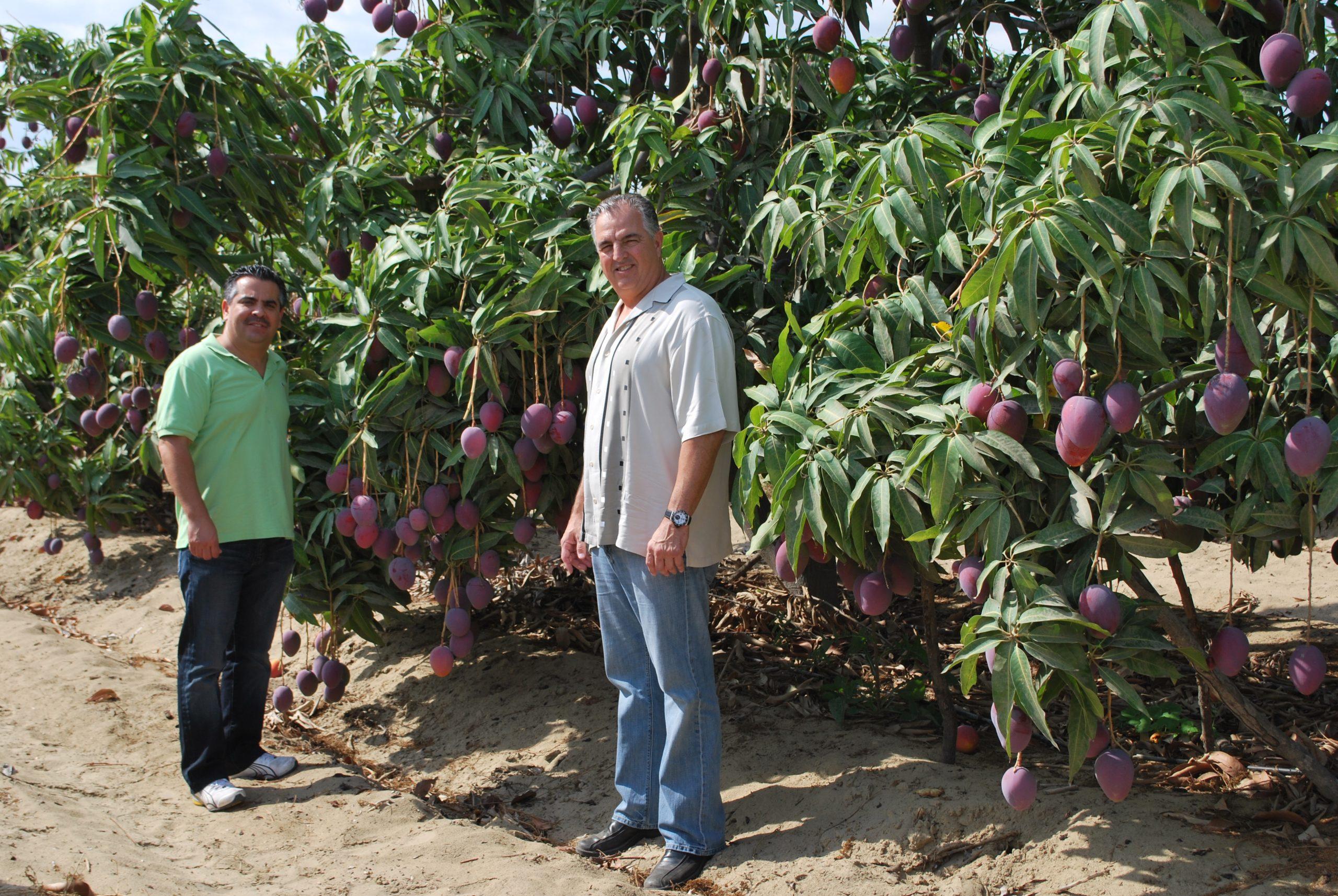
This is the projection made to Avobook by Gary Clevenger, co-founder and manager of Freska Produce International, who knows in detail the history and performance of California avocados in the North American market and adjusts the initial industry projection after weather events that have impacted it.
Gary Clevenger is the co-founder and CEO of Freska Produce International, a leading fresh produce company specializing in mangoes, avocados, and dried mangoes. With decades of experience in the fresh produce industry, Gary plays a key role in overseeing the company's strategic growth, supplier relationships, and internal operations.
Her responsibilities encompass business development, supply chain oversight, and market expansion initiatives. In this conversation with Avobook, she says that California avocados have “great potential to expand avocado consumption in the Midwest and Southeast.”
And he knows a lot about that, as he is known for his entrepreneurial mindset and industry knowledge, helping Freska establish a strong global presence while maintaining a focus on sustainability and innovation.
Discipline is a quality that has always accompanied him, even in another of his passions: sports, having been selected by the California Angels baseball team in 1978.
How did you get started in the avocado industry?
“My introduction to California avocados began in high school during the summers, when I worked at the Santa Clara Produce packing plant in Oxnard, CA. That experience opened the door to a broader world of agriculture: I was exposed to berry farming and worked directly with crops like lettuce and cauliflower. From the beginning, I learned the value of hard work and the pace of the produce industry. Even as a kid, I sold strawberries and vegetables from a roadside stand, which gave me a foundation in customer interaction and sales. Those early days not only taught me about farming and packing, but also sparked a lasting passion for fresh produce and the business behind it.”
How did you acquire your training in agricultural business?
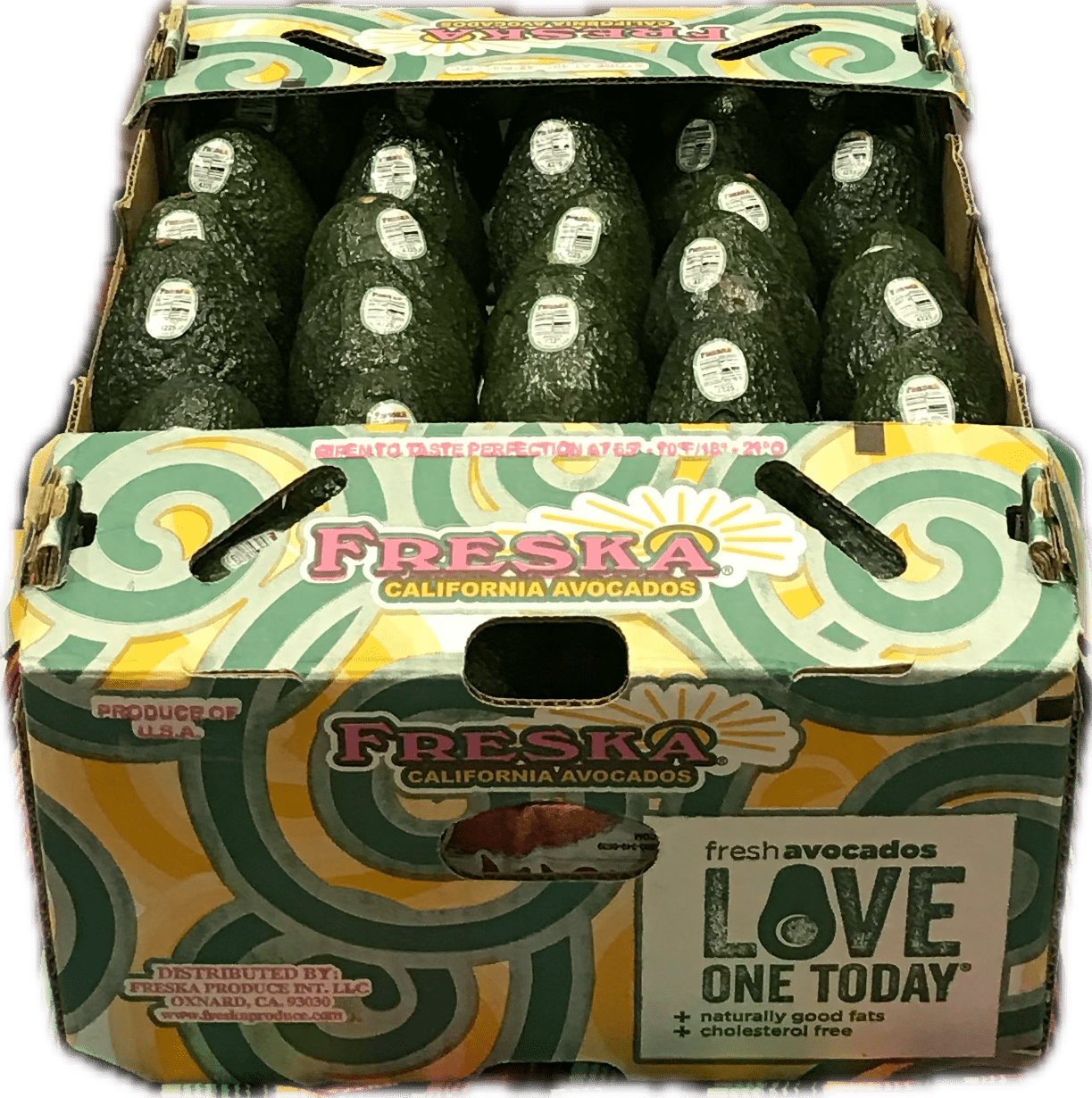
“I was drafted by the California Angels in high school and played there for three years in the minor leagues. I ended up going to college and earning my degree in Accounting from Arizona State University. I’ve been working in the produce business for almost 29 years, and most recently, for the last 21 years here at Freska Produce International, which I helped co-found with my partner, Jesús “Chuy” Loza. From there, we market mangoes, avocados, dried mangoes, and, most recently, pitahaya. We are also partners with Bobalu Berry Farms, where we market fresh and processed strawberries.”
What is the current state of avocado production in California?
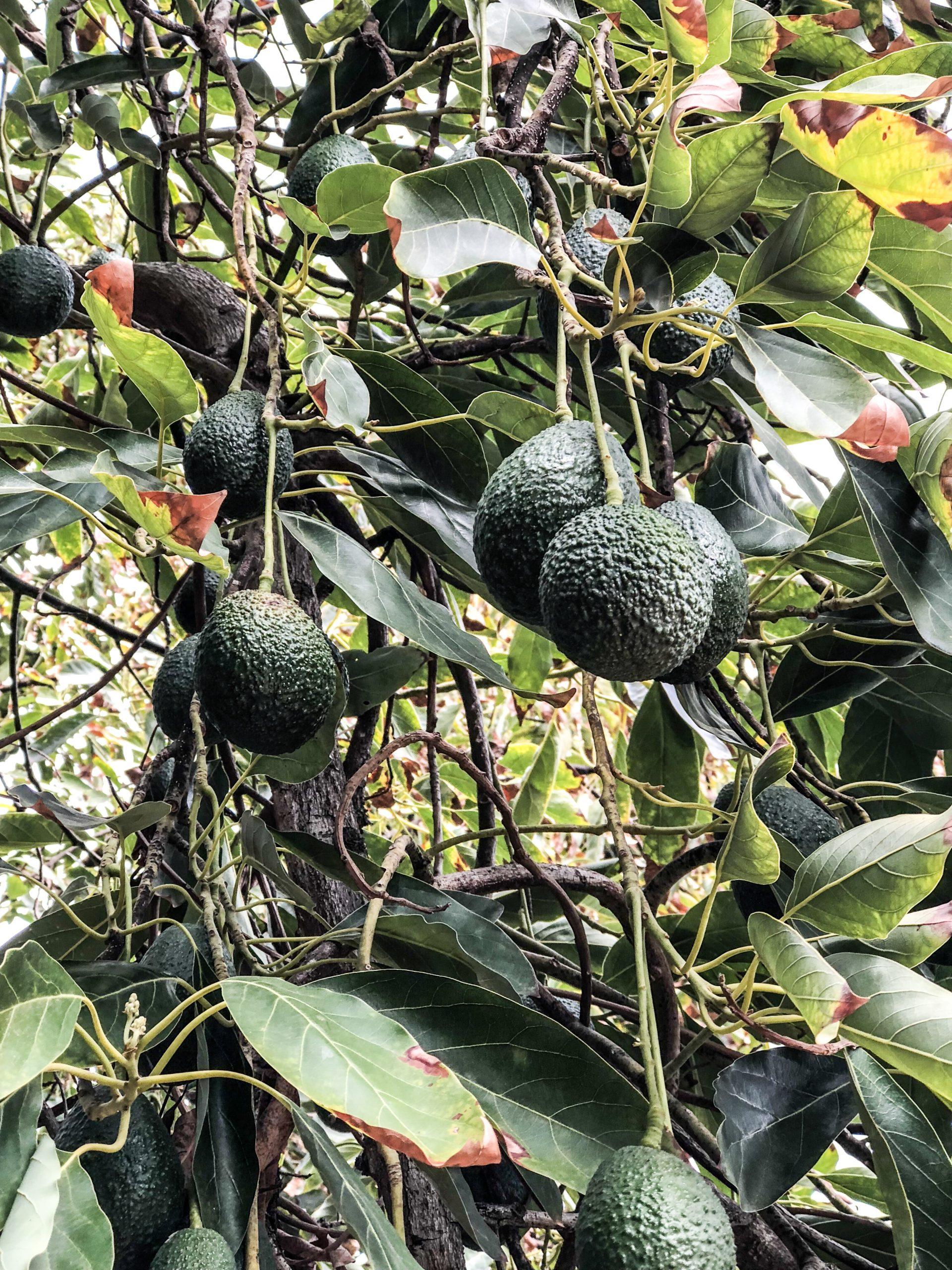
“California avocado production is stable, but it faces challenges. Weather variability, especially drought, wind, and extreme heat, continues to impact yields. This season has been better than last year in terms of volume, thanks to improved rainfall and more favorable growing conditions. However, water costs and labor shortages remain major concerns for growers.”
What growth or diversification opportunities exist for the California industry in terms of markets or customers within the United States?
“There is great potential to expand avocado consumption in the Midwest and Southeast, where per capita consumption remains lower than in California or the Northeast. Furthermore, promoting value-added avocado products, such as guacamole, avocado oil, and ready-to-eat items, can help diversify demand and reduce reliance on fresh fruit sales.”
What volume of fruit is projected until the end of the season?
“The preseason estimate for California was 375 million pounds. This hasn't been updated since we had some strong winds that took, I think, 20-25% of the fruit off the trees. If you take the lower end of that at 20%, we would have a harvest of around 300 million pounds, and that puts us at about 42% complete as of today.”
What impact does the entry of fruit from other origins into the United States have, such as the refocusing of destinations from Colombia and the increase in volumes from Peru?
“Imports from Peru, Colombia, and Mexico add competition, especially during the summer when their peak season coincides with California’s. This increases price pressure and makes differentiation more important. However, California avocados are marketed as premium, locally grown fruit with a shorter supply chain, something many U.S. consumers value. Even so, it’s critical that we continue to promote California origin and ensure that quality remains high.”
How are California avocado growers concerned about the industry's impacts on the environment?
“Yes, California avocado growers are committed to sustainability and long-term land stewardship. Our industry is investing in research, water conservation, and responsible farming practices to ensure we can continue producing high-quality fruit for generations to come. Consumer support for locally grown avocados really helps make this possible.”