The Kenyan fruit route: Innovation and challenges in transport to Europe
Kenya, a key exporter of fresh fruit, faces a significant logistical challenge: ensuring its produce arrives in European markets in optimal condition. The fragility of the fruit, combined with the complexities of air transport, presents obstacles that require innovative solutions. This report examines how Kenya is addressing these challenges, from implementing new technologies to optimizing its supply chains.
Time is a critical factor in the transport of perishable goods. Every delay can result in significant losses. In response, Kenya has implemented various strategies to expedite the transport process. Are these measures sufficient to overcome the inherent difficulties of shipping fruit over long distances?
Paul Kyalo, CEO of Konza Tropicals Limited, shared his vision on these challenges and the strategies implemented to overcome them.
Challenges in transport and quality preservation
One of the main problems producers face is prolonged transit. "Since December 2023, the Red Sea embargo has forced ships to round the Cape of Good Hope, significantly increasing shipping times," explains Paul Kyalo, managing director of Konza Tropicals Limited. This delay affects the freshness of the fruit upon arrival.Another key challenge is a break in the cold chain. "Avocados require a constant temperature of around 5°C for optimal preservation. Any fluctuation can lead to chilling injury or accelerated ripening," Kyalo explains.
To guarantee quality during transport, producers are adopting rigorous harvesting and storage practices. "We harvest with a minimum dry matter content of 23% and a maximum of 26%, ensure proper pre-cooling to 5°C, and use ethylene absorbers to inhibit ripening during transit," Kyalo notes.
Government policies
Recently, in December 2023, Kenya and the European Union signed an Economic Partnership Agreement that liberalizes bilateral trade, allowing all Kenyan exports, including fruits and vegetables, to access the European market without tariffs or quotas. In return, Kenya will gradually open its market to EU imports, taking into account its development needs and excluding sensitive products from liberalization.
It is worth noting that Kenya has traditionally relied on air freight to export its fresh produce due to its speed. However, the high costs associated with air freight have led the country to promote maritime transport as a more economical alternative. This transition aims to reduce costs and increase the competitiveness of Kenyan exports in the European market.
Thus, to guarantee the quality of its products and comply with international regulations, Kenya has implemented rigorous measures in the harvesting and export of fruit. For example, the Kenya Agriculture and Food Authority (AFA) has established specific dates for the harvesting and export of avocado varieties, ensuring that only ripe, high-quality fruit is exported. These measures aim to prevent the harvesting of unripe fruit and maintain the reputation of Kenyan products in the international market.
Factors driving the growth of the sector
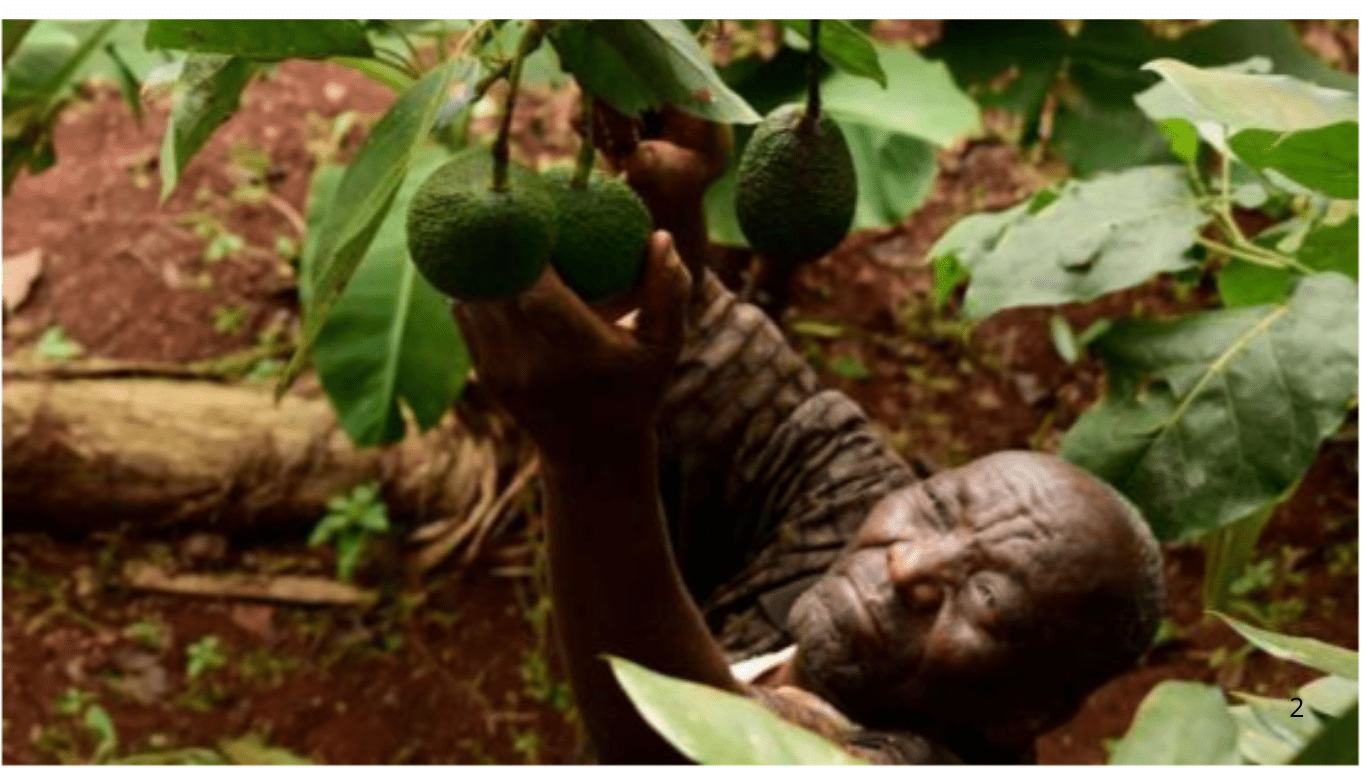
The surge in avocado production in East Africa is due to several factors. "The increased income from avocado sales compared to traditional export crops like tea, nuts, and coffee has encouraged more farmers to switch," says Kyalo. Furthermore, favorable climatic conditions and land availability in Kenya's Rift Valley have contributed to the expansion of avocado cultivation.To ensure long-term sustainability, producers have established collaborations with exporters and invested in value-added processes. "We are boosting avocado oil production to utilize fruit that doesn't meet export standards," the executive added.
Exporting companies, development organizations, and government agencies are working together to strengthen the industry. "We provide agronomic support to producers and implement food safety and social responsibility certifications," Kyalo emphasizes.
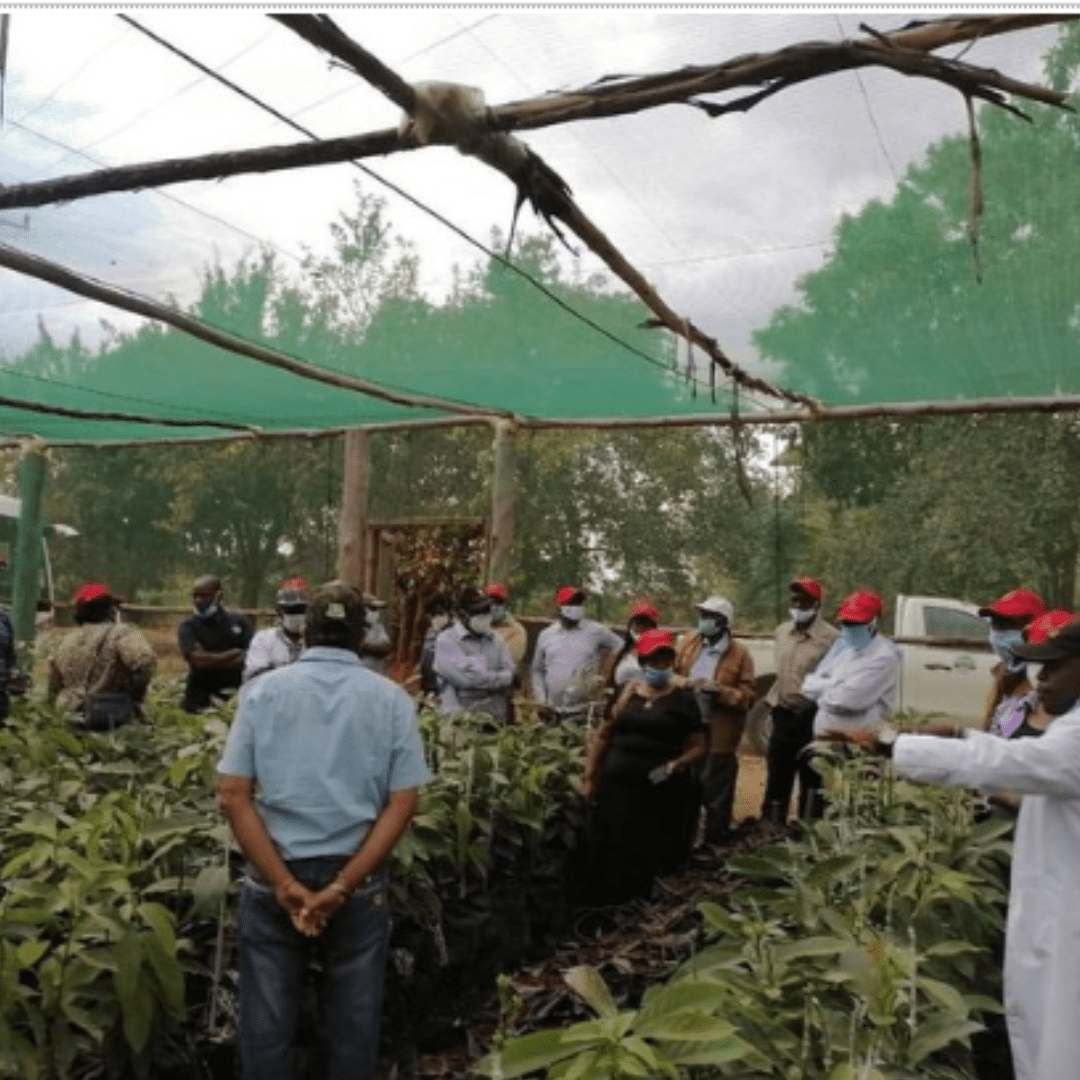
In East Africa, small and medium-sized producers account for 90% of production. "We have developed structured collaborations with these farmers, providing suitable seedlings, technical and agronomic assistance, and managing harvesting and post-harvest practices," says Kyalo.
Regarding the main markets, Europe stands out as the primary market for avocados from Kenya and East Africa, followed by the Middle East, the Far East, and Central Asia. "We actively participate in exhibitions, conferences, and trade missions to develop collaborations with buyers and importers," Kyalo comments.
However, exporters face challenges accessing new markets. "Some destinations are very selective regarding the required calibers and sizes, making it difficult to guarantee a stable supply throughout the season," explains the executive. Furthermore, long transit times remain a significant challenge. "We focus on compliance certifications before the season begins and harvest at the appropriate maturity levels to minimize risks," he adds.
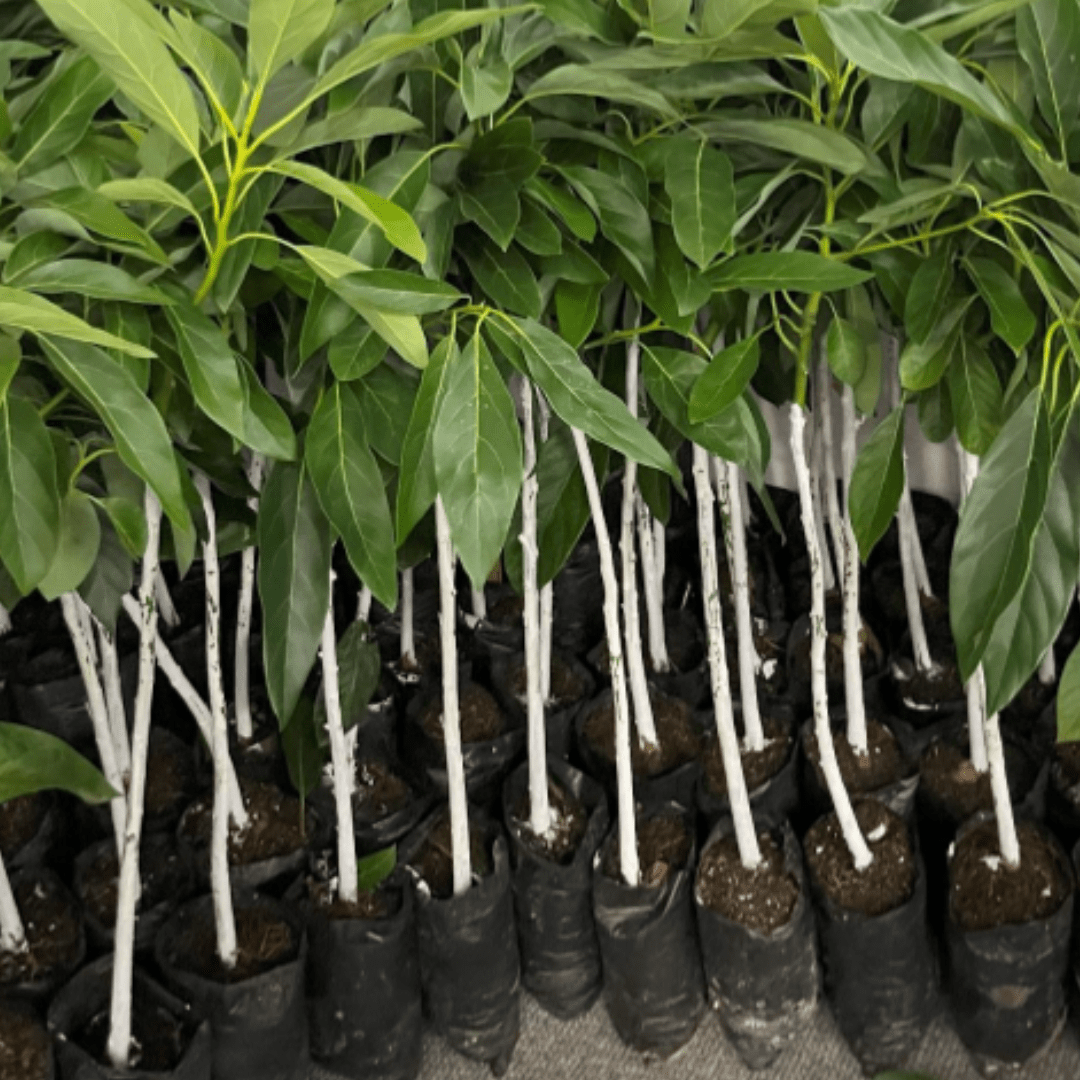
Key facts about the avocado industry in Kenya
The area under avocado cultivation in Kenya exceeds 80,000 hectares. The main production areas are located in central Kenya, the Rift Valley (including the North Rift, South Rift, and Kajiado), and the eastern lowlands. Currently, more than 60 exporting companies are involved in the avocado trade.Regarding the distribution of shipments, more than 70% of exports are destined for Europe, 10% go to the Middle East and another 10% to Asia.
This is how delays in shipping routes have created uncertainty about fruit quality. "Yes, there have been concerns about quality in the 2024 season due to the delay in the arrival of the ships," Kyalo admits.
To mitigate these problems, exporters have diversified their markets. "We are focusing on markets in the Middle East and Asia, which are not affected by transportation disruptions," the executive concludes.
The growth of the avocado sector in Kenya and East Africa is undeniable, but its sustainability will depend on the ability of producers to meet logistical and climate challenges, maintain high quality standards, and diversify their export markets.