Avocado pulp: from agro-industrial waste to global superfood
Over the past decade, the avocado has evolved from an exotic tropical fruit into a strategic raw material for the global agribusiness sector. Its industrialization—especially in the form of frozen pulp and derivatives like virgin oil—is transforming production, marketing, and consumption models in many regions of the world.
According to FAOSTAT data (2020), global avocado production doubled between 2011 and 2020, increasing from 4 to 8 million tons annually. This surge has encouraged producing countries to invest in industrial processes that allow them to utilize fruit that, for aesthetic or logistical reasons, does not qualify for fresh export.
The Food and Agriculture Organization of the United Nations (FAO) emphasizes that these discarded but still high-quality fruits are used to produce frozen pulp, guacamole, IQF (Individually Quick Frozen) products, virgin oil, and dietary supplements. The industrial process includes sorting, washing, pitting, and extraction, followed by preservation technologies such as freezing or High Pressure Processing (HPP), which preserves nutrients, flavor, and color without the need for preservatives.
Marketing adaptable to culture and format
Sebastián de la Cuadra, Commercial Director of Avocomex , points out that the way avocado pulp is marketed depends heavily on the local market and food culture. “Avocado pulp is currently the base of guacamole, which is known everywhere. For example, in Chile it is consumed as a pulp for use in sandwiches, mainly on bread, while in other countries, the pulp is the ingredient for each person to prepare their own guacamole,” he explains.
There are different marketing formats. In the retail channel , guacamole is offered in small, ready-to-eat containers , ideal for home use. In contrast, in the HORECA channel (hotels, restaurants, and catering), the pulp is sold in large containers , designed to be portioned or used in larger-scale preparations. “Distribution companies dispense the pulp into smaller formats or use it as a base for other recipes,” adds de la Cuadra.
In addition to the pulp, there are other frozen avocado products such as cubes, halves, or slices, which are used directly in salads, sushi, and other dishes. Unlike the pulp, these formats retain the fruit's original shape and meet the demand for practicality in both professional and home kitchens.
Cultural diversity in consumption
Processed avocados have successfully entered global markets thanks to their versatility. “Today, frozen avocados worldwide are consumed in different ways depending on the culture of each country,” notes de la Cuadra. “You can enter a market unfamiliar with avocados through guacamole, as it’s an internationally recognized product associated with Mexican cuisine.”
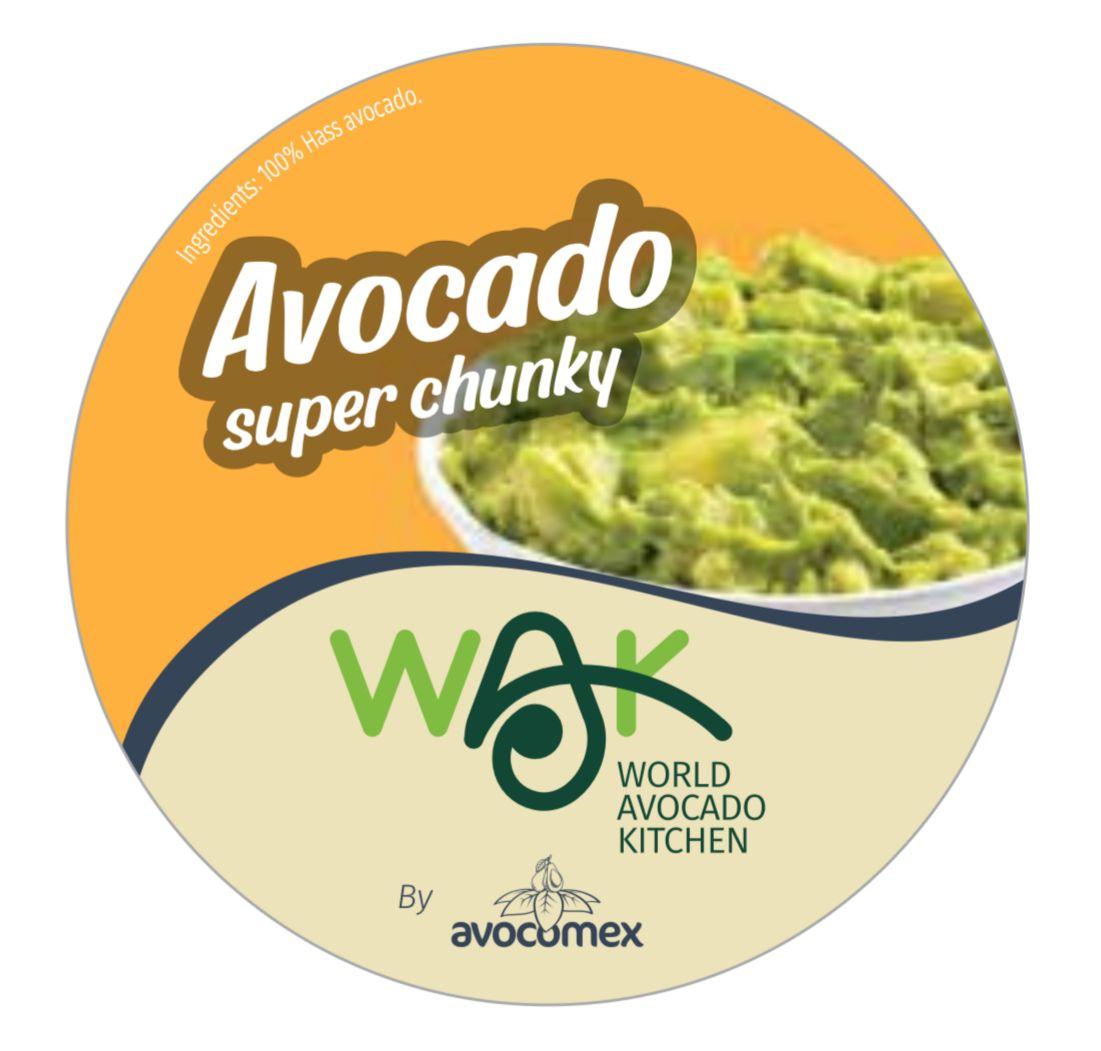
Avocado consumption also varies according to each country's culinary traditions. In Asia, for example, it's common to use it as a base ingredient in smoothies, while in Arab countries like Morocco, a similar drink is prepared with added honey and nuts. In other regions, the fruit is incorporated into cuisine in the form of salads, soups, sandwiches, or eaten fresh, and it's also a common ingredient in vegan products.
“Each country offers different types of use that one can adapt. Even if a format is offered, it is often the local consumer who defines how to integrate it into their diet,” says de la Cuadra.
Economic and industrial potential
The economic value of processed avocados is becoming increasingly significant. According to a study conducted by the National University of Colombia , the global avocado oil market will exceed $1.1 billion by 2024, driven by annual growth exceeding 6%. North America leads this demand, with projected growth of 8.7% between 2017 and 2026.
Mexico, the world's leading producer, has begun to consolidate its industrial infrastructure. According to the United States Department of Agriculture (USDA) , 3% of its production is processed into pulp for export, and 1% is used for oil production. These figures, while modest, have generated a network of processing plants in states such as Michoacán, Jalisco, and the State of Mexico , with positive impacts on skilled employment and value per ton processed.
Although there are no exact global figures on processed avocado consumption, Sebastián de la Cuadra estimates that it represents approximately 10% of the volume traded fresh . “This figure is closely linked to the Mexico-United States relationship, where that 10% of the fresh exported volume also has its equivalent in processed products,” he explains.
The FAO has reiterated the need to promote sustainable agro-industrial chains that incorporate technological efficiency, responsible post-harvest handling, and traceability at every stage of the production system. The industrialization of avocados, which is no longer limited to pulp or frozen products but includes derivatives such as oil and even nutraceutical supplements, represents a concrete path toward diversification, sustainability, and value addition.
In a context of increasing global competition, the ability to adapt the avocado to different formats, cultural uses and distribution channels makes it a key tool for the development of the agri-food sector and innovation in international markets.