The avocado industry in South America and its challenges
Researcher and post-harvest specialist Bruno Defilippi, who holds the position of director at INIA La Platina, offered a comprehensive analysis of current avocado production in Chile, Peru and Colombia during his participation in the event called Territorio Aguacate.
In an interview, Defilippi highlighted the fundamental challenges facing countries in the Southern Hemisphere in Hass avocado production. He emphasized the importance of proper agronomic management from the field up, addressing aspects such as nutrition, irrigation, and pest control to achieve optimal fruit quality. In his words, "the first step is to start with proper agronomic management in the field."
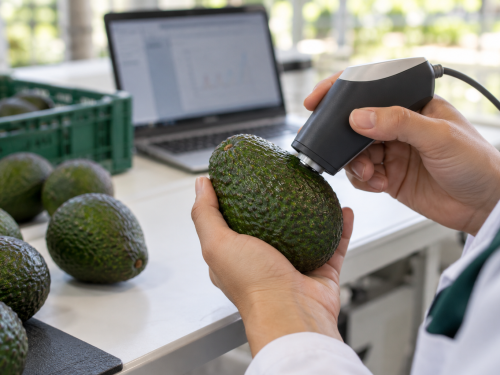
He emphasized the importance of determining the precise harvest time to guarantee organoleptic quality and resistance to transport, as well as the need to implement post-harvest technologies to extend the product's shelf life. In his words, it is crucial "to avoid selling 'old' fruit in terms of the number of days between harvest and consumption."
Defilippi highlighted that oil content is the primary quality attribute of Hass avocados, followed by visual attributes such as size, color, and absence of damage. He also emphasized that markets demand overall quality that balances all these aspects to ensure repeat purchases by consumers: "Quality means delivering an avocado that has a balance among all attributes."
Regarding Chile's import of Peruvian avocados, he indicated that it will continue to be a common practice, as Chile needs other suppliers during its low production seasons.
Regarding climate challenges, he mentioned the prolonged drought in Chile and other extreme events, such as high rainfall in Colombia, which significantly impact the quality and shelf life of avocados.
Regarding technologies in the industry, he highlighted the need to optimize existing ones, such as temperature control, and mentioned that there is room for improvements in sanitation and the use of fungicides.
Referring to Territorio Aguacate, Defilippi praised the breadth of topics covered at the event and its relevance to all producing countries, addressing aspects such as climate change, social responsibility, and the circular economy. In his words, "Territorio Aguacate brought together more than 130 companies and 3,000 attendees, undoubtedly making it one of the largest technical and commercial events in Latin America for this fruit."
Source: Fruit Portal