The global avocado industry is recovering and finding attractive new markets.
As the global avocado industry recovers from a year complicated by the El Niño phenomenon, Zac Bard, president of the World Avocado Organization (WAO), shares with Portalfruticola.com the current situation of the sector and the emerging markets that are gaining relevance for producers and exporters.
Bard notes that last year's shift in weather patterns affected nearly 90% of avocado-producing regions worldwide. However, avocados showed greater resilience to adverse weather compared to other crops. "With the season over in Peru, we are fortunate that South Africa had a record harvest this year, and other parts of Africa also had good results, which helps balance production," Bard commented. In addition to the weather challenges, the sector faced setbacks such as the closure of the Suez Canal due to armed conflict.
The WAO has also worked diligently to combat misinformation and negative publicity about the environmental impact of avocados. "We launched a 'myth-busting campaign' to spread accurate information and counter unfounded claims. The campaign has been successful, and we've seen a decrease in the publication of negative information about avocados," says Bard.
Consumer Growth and Expansion into New Markets
With the transition to La Niña this year, Bard anticipates that regions like Peru will experience favorable weather and production will return to normal. Africa, meanwhile, is expecting beneficial rains that will replenish its water reserves. Bard notes that South Africa, Zimbabwe, Mozambique, and Tanzania, along with Kenya, are increasing their production areas and exports, particularly to Asia. South Africa and Kenya have entered the Chinese market, and Africa is expected to play a key role in supplying avocados to China year-round.The Asian market is experiencing steady growth in avocado consumption. "The United States remains the largest consumer market, followed by Europe, then Japan, China, and Canada," explains Bard. China is seeing a rebound in consumption after the slowdown caused by COVID-19, and South Korea is emerging as a major consumer. India, with imports doubling in recent years, is particularly exciting for the WAO, which is promoting the benefits of avocados and their inclusion in Indian cuisine.
Innovation and Technology Drive the Sector
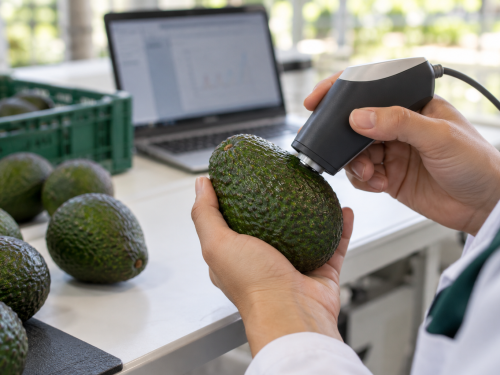
The avocado industry is characterized by its constant innovation and adoption of new technologies. Efficient use of water and other resources is a priority, with advanced irrigation technologies and the use of drones improving efficiency. "New technologies and avocado varieties are being developed to better adapt to climate change and reduce water consumption," says Bard. The WAO is also focused on teaching consumers how to diversify their avocado consumption, targeting younger generations and using digital platforms to promote it.Overall, the avocado industry continues to show resilience and adaptability, with a focus on sustainability and expansion into emerging markets, thus ensuring its growth and global relevance.
Source: portalfruticola.com