India opens up to avocados: the market that grows by double digits every year
Avocados are moving beyond being an exotic fruit in India and becoming a high-demand product among urban and health-conscious consumers. While their adoption is still limited by price and logistical challenges, imports are growing year after year, and the market is projected to expand, offering opportunities for both exporters and the development of local production.
In recent years, the avocado has begun to carve out a niche in India's complex and diverse food landscape. Fueled by the rise of healthy eating trends, increasing exposure to international cuisine, and improved modern distribution infrastructure, this fruit has gone from being a rarity to becoming an increasingly common product in urban households across the country.
Although it is still far from being a mass-consumption food, the Indian avocado market shows clear signs of sustained expansion and opportunities for international exporters.
Ashish Banerjee, commercial and market development manager at importer Agrify Fresh, confirms this trend: "Demand for avocados has grown by approximately 25 to 30% annually since 2020. This, although starting from a small base, demonstrates strong, sustained growth."
Among the main factors that explain this expansion, Banerjee highlights three fundamental pillars: “The growing interest in healthy eating, exposure to global cuisines such as avocado toast or sushi, and better availability on platforms such as BigBasket, Blinkit and Swiggy, as well as in gourmet stores.”
This shift has been most evident in large cities, where younger generations, especially middle- and upper-middle-class millennials and Gen Z, have incorporated avocados into their regular diets. They are also consumed by expat communities, nutrition-conscious families, and fast-food chains like Subway and Starbucks.
Consumption patterns in India are not uniform. In major metropolitan areas like Mumbai, Delhi, and Bangalore, imported Hass avocados, considered premium quality, are preferred. However, in second- and third-tier cities, consumers tend to choose more affordable varieties from Kenya or Tanzania, or even the limited local options. “Price sensitivity limits its widespread adoption; currently, it’s a product for the upper-middle class,” explains Banerjee.
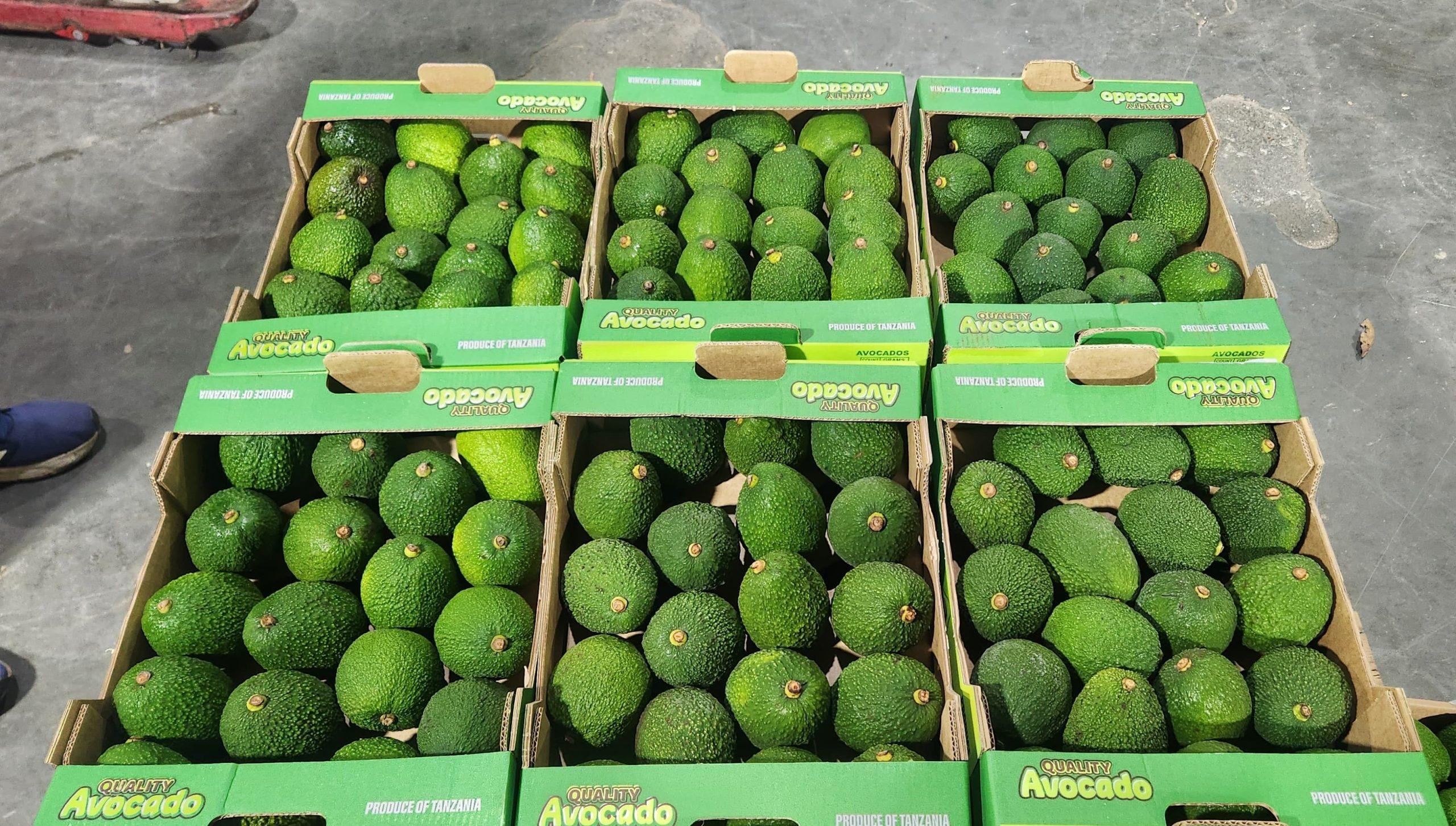
India relies almost entirely on imports to meet its growing demand for avocados. The main sources are Tanzania, Kenya, Peru, and Mexico, each with its own specific advantages and challenges.
According to Banerjee, “Peru offers superior quality Hass avocados and year-round supply, but logistics costs are high, and it competes directly with Mexico.” Kenya, meanwhile, has established itself as a key supplier thanks to its affordable prices and smaller sizes, suitable for Indian households. However, it suffers from seasonal gaps. In the case of Mexico and Chile, the products are of premium quality and include some organic options, but they face logistical challenges and a price markup of between 20 and 30%.
Tanzania has also seen a significant increase in its share of the Indian market. Its avocados keep well during transport and have been well received. However, the recent oversupply has led to a temporary drop in prices, which could stabilize if demand remains high in the coming months.
While India has initiated some local avocado cultivation projects, production remains marginal. “There are experimental crops in Sikkim, Karnataka, Kerala, and Maharashtra, but they currently account for less than 1% of demand,” explains Banerjee. Furthermore, local varieties like Fuerte don't achieve the creamy texture of the Hass, which presents a barrier to competing on quality.
Even so, there is potential for development in the medium term. "If the hybrid trials are successful, India could supplement imports with its own production," the specialist adds.
One of the biggest challenges for avocado expansion in India is the logistics infrastructure. “Avocados require storage at 10-12°C, but many distributors still lack adequate cold chain facilities,” warns Banerjee. This is compounded by last-mile logistics issues, which lead to over-ripening due to internal transport delays, and poor shelf-life management at retail outlets.
On the regulatory front, imports face a tax that varies between 0 and 35%, depending on the origin and the trade agreements in force. Furthermore, frequent phytosanitary delays are reported at ports, especially for products from Africa. “This raises the retail price two to three times above the global average, limiting its widespread adoption,” notes the Agrify Fresh executive.
Sales channels and competition with local fruits
Regarding marketing channels, avocados are mainly distributed through supermarkets such as FoodHall and Nature's Basket (50%), fast delivery platforms such as Blinkit and Zepto (20%), and small retailers or general stores (30%).In the competitive Indian fruit market, avocados compete with more familiar and affordable products. For example, mangoes (₹80-150/kg), pomegranates (₹120-200/kg), and kiwifruit (₹250-300/kg) each offer distinct advantages. “Pomegranates have a similar healthy image but are more affordable, and kiwifruit has a comparable premium positioning. Avocados, with prices ranging from ₹200 to ₹400/kg for imported Hass, are still perceived as a luxury product,” explains Banerjee.
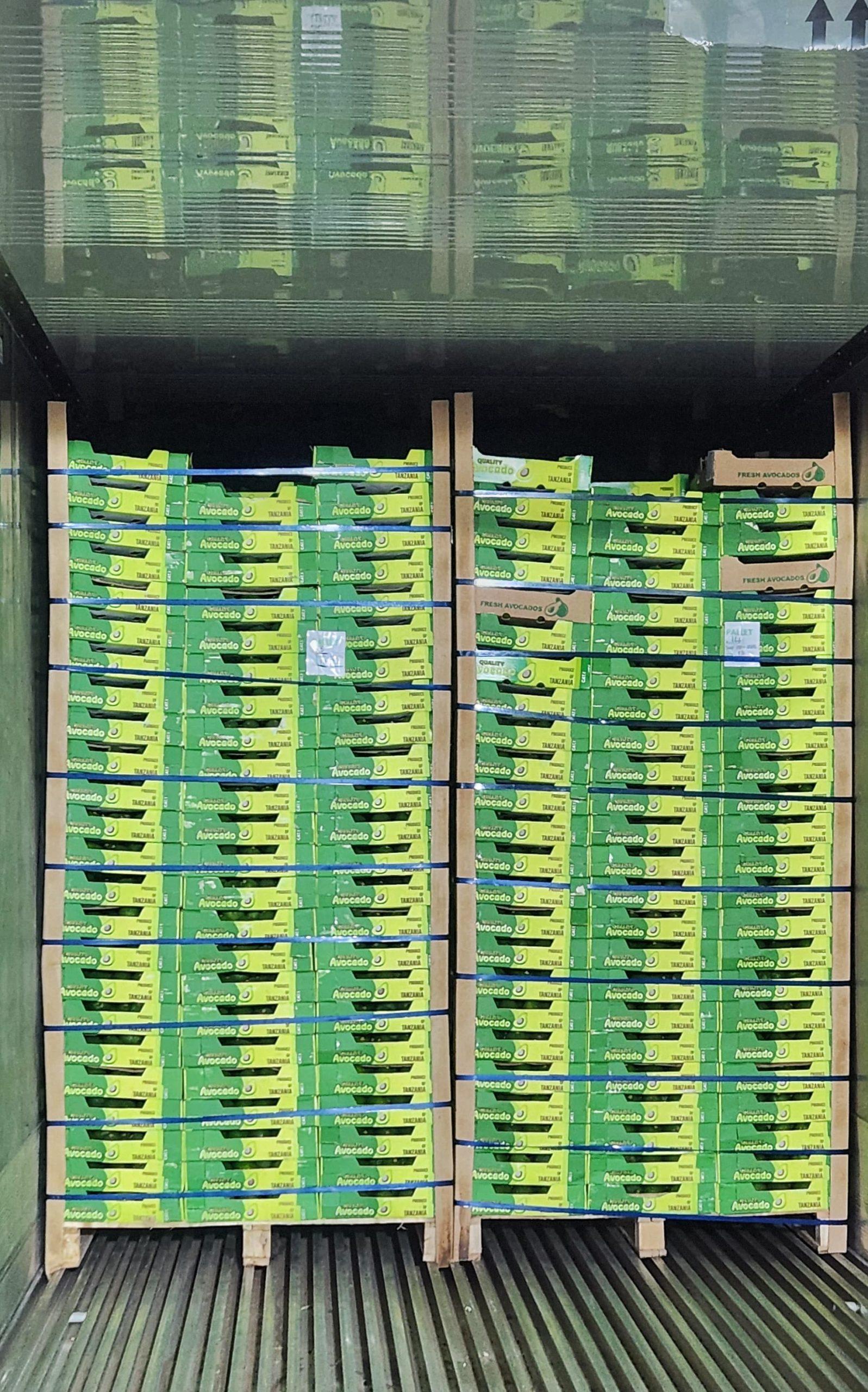
Despite the challenges, the outlook for the avocado market in India is promising. Banerjee estimates compound annual growth of 15 to 20 percent between 2025 and 2030. Factors that could accelerate this expansion include the signing of free trade agreements, especially with African countries, and increased investment in the cold chain.
However, the future is not without risks. “An economic recession that reduces discretionary spending or the emergence of local substitutes could slow growth,” he concludes.
Thus, the avocado is making its way into India, not without difficulties, but with a potential that is already beginning to awaken the interest of producers, importers and consumers alike.