Jorge Altuna: pioneer of the Hass avocado and promoter of sustainable production in Ecuador
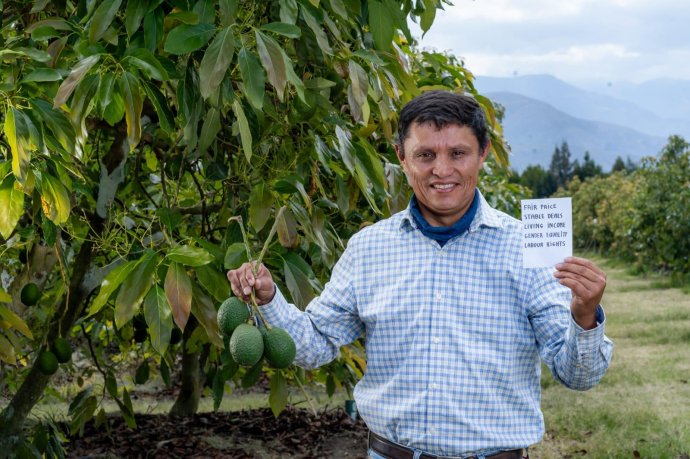
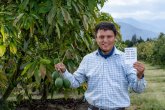
From his farm, La Delicia, in the province of Imbabura, Jorge Altuna is part of the group of producers who were early adopters of Hass avocados in Ecuador. With a vision of quality, sustainability, and family commitment, he promotes a responsible farming model that looks toward the future.
Almost ten years ago, Jorge Altuna decided to change course. He left behind his career as a mechanical engineer to dedicate himself to a project that would transform his life: Hass avocado farming in the Ecuadorian highlands. It is a project that, as he himself acknowledges, marked a turning point in his personal and family history.
His foray into the world of avocados began thanks to Robert Carl Flick, an American producer and one of the Hass pioneers in Ecuador, whose farm bordered his own. From those everyday conversations about the management, advantages, and potential of this variety, the inspiration was born that led him to follow the same path. “I was lucky to have a visionary neighbor, a great friend who promoted Hass cultivation in Imbabura and throughout the country. His example helped me believe that I could do it too,” he recalls.
Over time, the decision became a vocation and, at the same time, a family commitment. “My son was born when we were planting the first trees, so he and the crop have grown together. Each plant represents a stage of my life,” says Altuna, with the serenity of someone who has found his purpose in the land.
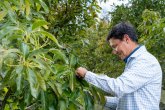
Located 1,750 meters above sea level, Finca La Delicia covers 12 hectares in the Salinas de Ibarra area of Imbabura province, in a valley with a temperate climate and low rainfall—between 400 and 600 millimeters per year. “The soil wasn't ideal for Hass avocados, but we've been improving it with amendments and organic matter. Today we achieve good yields and quality fruit,” he explains. The farm has 8,200 trees planted at high density, about 660 per hectare, making the most of the land and the irrigation system supplied by the state canal that serves the area.
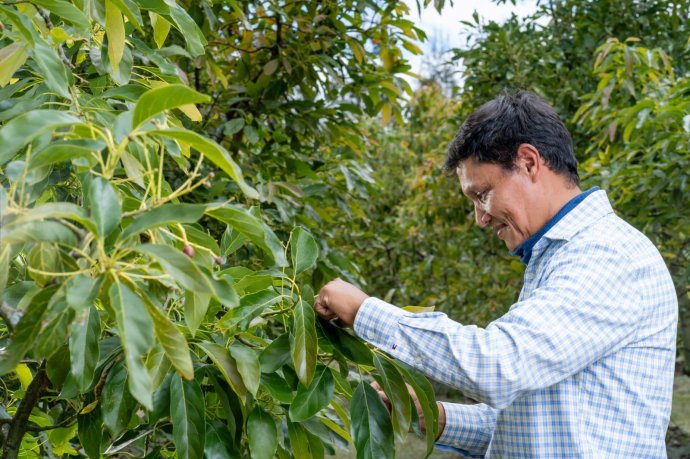
The shift from the traditional green-skinned avocado to the Hass variety brought new challenges. “The Hass requires more technical management. It needs better control over nutrition and more precise irrigation. But it is also more resilient: if well cared for, it responds with productivity and excellent quality fruit,” he says.
In the early years, however, the biggest obstacle was the market. “Ecuadorian consumers still prefer green avocados. Hass avocados, on the other hand, are almost entirely focused on export,” he explains. Today, around 80% of their production is destined for export, mainly to Europe, Russia, and the United Arab Emirates, while the remaining 20% is sold in the local market.
During 2024, Ecuador exported approximately 4,000 tons of avocados, a figure that, while still modest compared to neighboring countries in the region, reflects the steady progress of an industry that continues to mature and gain experience. This year, Altuna estimates that national production will reach around 3 million kilos, slightly lower than the previous year due to the weather. “Irregular rainfall and temperature fluctuations affected flowering. The commercial window, which used to run from October to March, has shifted to December and March,” he explains.
Despite the challenges, he remains optimistic. “Ecuador cannot compete in volume with Peru or Chile, where there are plantations of thousands of hectares. Here we are small producers, with farms of one to ten hectares, but that also gives us our identity. Our path is quality.”
For Altuna, professionalizing producers is key to the sector's future. “Every farmer must understand that their farm isn't just a crop, but a business. We have to comply with regulations, maintain standards, and work with an export-oriented mindset,” he maintains. He also insists that the industry's growth requires three pillars: accessible financing, technical assistance, and knowledge transfer. “Being a dollarized country, agricultural loans have high interest rates, and avocado returns take years. That's why training and technology are fundamental for efficient and sustainable production.”
A forward-looking sustainability model
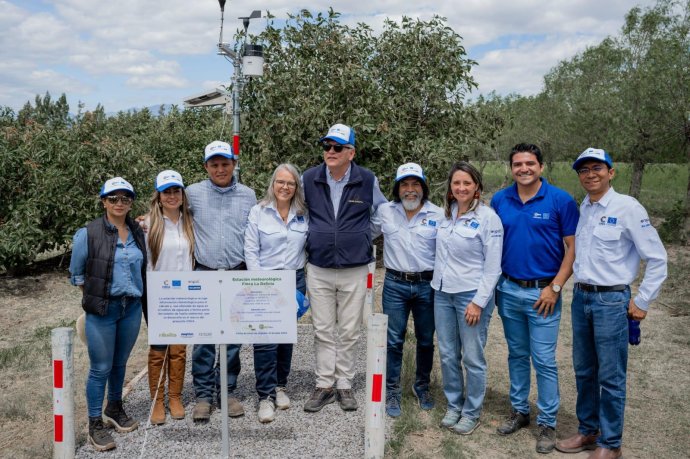
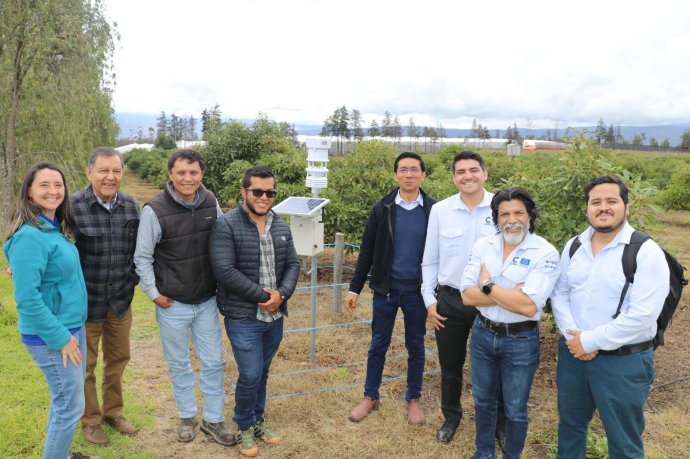
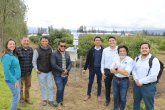
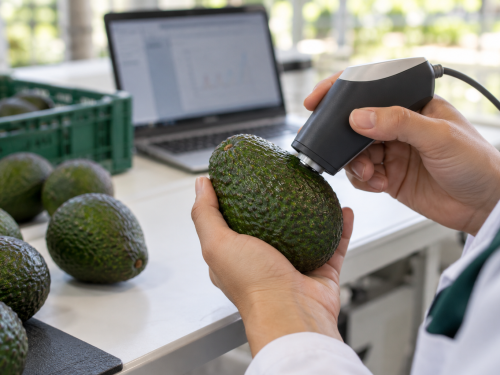
Beyond production results, Jorge Altuna has made sustainability the central focus of his work. From Finca La Delicia, he participates in the CREA project, developed with the support of the Polytechnic School of the Coast (ESPOL), Kulevel, and the European Union, which focuses on studying the water and carbon footprint of avocado crops in Ecuador.
“We’ve already conducted cadmium tests on the fruit, and the results have been very encouraging: the levels are low, but we’re continuing to work to mitigate them,” he says. “I’m convinced that avocado farming must be sustainable, not only for the planet, but also for the future of our children.”
That vision is reflected in every detail of their farm. “At Finca La Delicia, we work with the conviction of offering fruit that meets international standards and is environmentally responsible. We do it for our children, so they can have a better world, and for our customers, who seek traceable and sustainable products.”
The producer also emphasizes the value of cooperation. He has established partnerships with universities and international organizations to improve water use efficiency and strengthen agricultural research. “We are learning from neighboring countries, especially Peru and Colombia, but adapting the practices to our reality. If we don't have volume, we must be responsible. Sustainability is our path.”
Altuna is confident that, with organization and collective awareness, Ecuador can establish itself as a leading exporter of premium fruit. “I dream that we will go from sending two or three containers a week to one hundred, but without sacrificing quality. If every producer becomes profitable, families will be able to earn a decent living from avocados, and the country will grow alongside us.”
His story embodies the spirit of a new generation of farmers who combine technique, vision, and commitment. “The avocado,” he concludes, “is more than a crop; it’s a commitment to life, to family, and to the future of rural Ecuador.”