The 29th Brazilian Congress of Fruit Growing opens its activities with a focus on climate adaptation and access to international markets
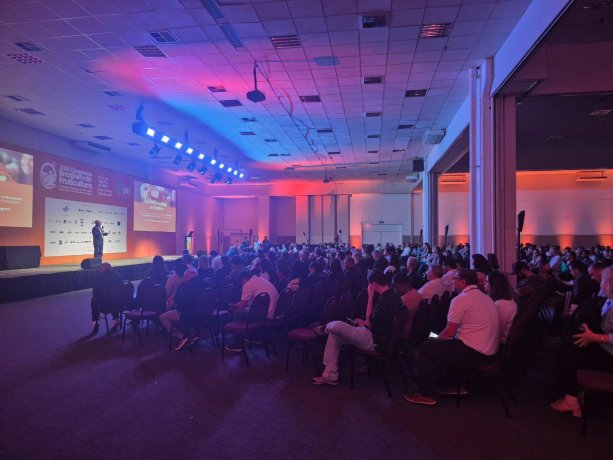
The 29th Brazilian Fruit Growing Congress (CBF) officially opened its activities on Monday, August 4, 2025, with a formal ceremony at the Expo D. Pedro Convention Center in Campinas, São Paulo. Organized by the Brazilian Fruit Growing Society, the event brings together researchers, technicians, producers, companies, and institutional representatives around the theme "Production Challenges in the Face of Climate Change."
The 2025 edition marks the return of the congress to its city of origin, with a program that includes more than 20 thematic symposia per crop, scientific sessions, technical forums and the first edition of the Brazil Fruits technology fair, conceived as a space for innovation applied to fruit growing.
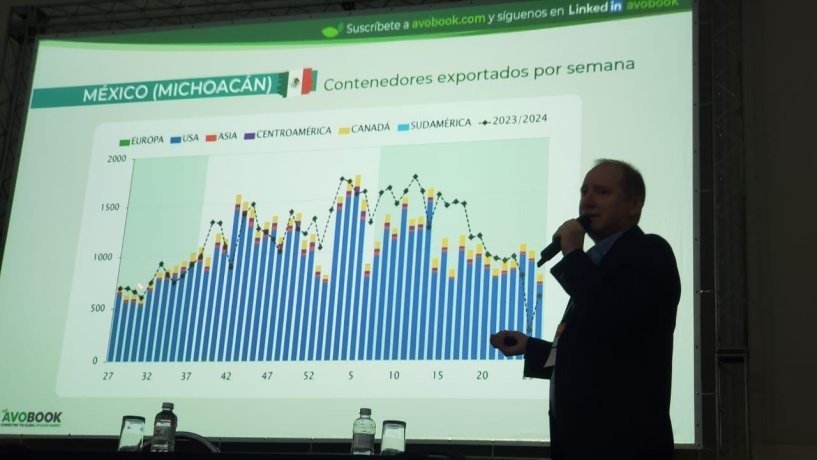
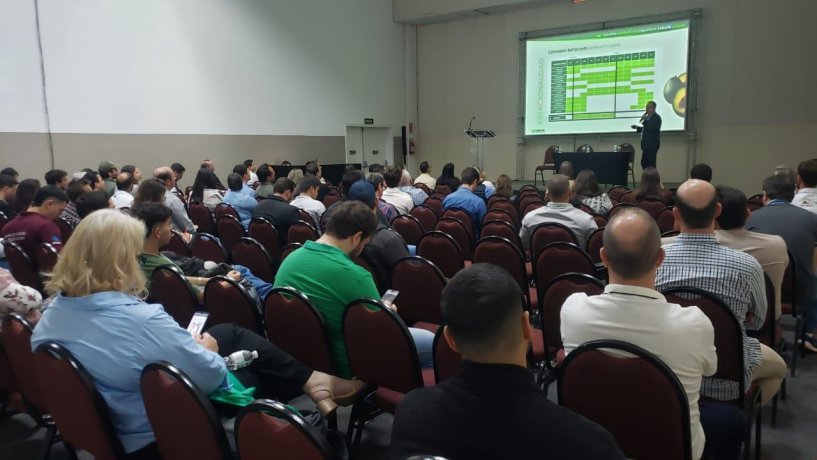
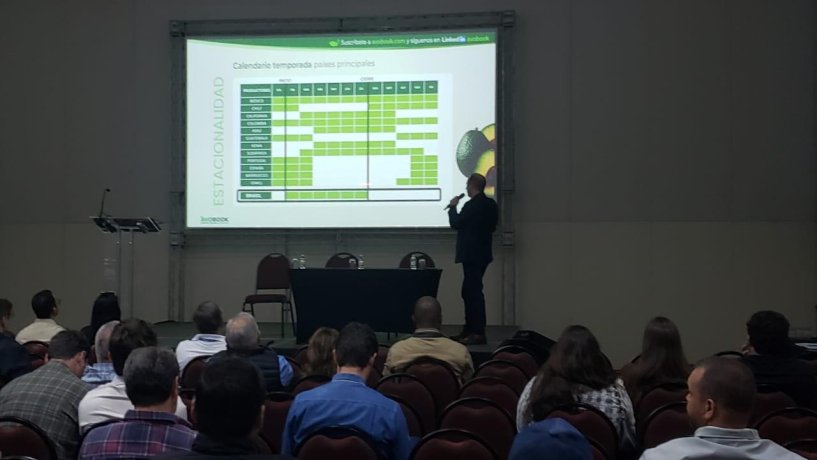
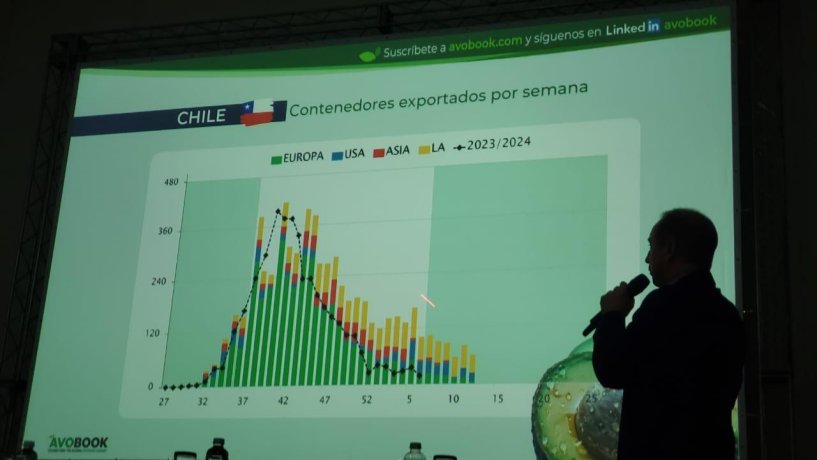
On the first day, Fundecitrus participated with a presentation on advances in managing citrus greening, given by researcher Franklin Behlau. Also, as part of the Symposium, Sebastián de la Cuadra, CEO of Avobook, gave a presentation titled “Current Situation and Outlook for the Global Avocado Market.”
During his presentation, de la Cuadra reviewed the current state of avocado markets, identifying the most important producing countries on each continent, their export volumes, priority destinations, and price trends. “What I did was show how the avocado markets are today: who the main participating countries are, what the volumes are, the origins, and where each one is headed. This is especially relevant for Brazil, which is growing in this crop and seeking to position itself globally,” he explained.
Brazil currently has between 8,000 and 10,000 hectares of avocado orchards and continues to expand its planted area year after year. According to de la Cuadra, the country is investing in technical assistance and information gathering to produce high-quality fruit, with the aim of competing effectively in international markets. “Brazil is a country with enormous potential, but today it has a very low share of the global fruit trade. Avocados are one of the products it seeks to strategically promote,” he added.
The exhibition was part of a technical day dedicated to avocado cultivation, which also addressed agronomic and commercial issues, in line with the congress's objective of promoting a modern, resilient fruit farming connected to market demands.
On Tuesday, August 5, the program continued with symposia dedicated to key crops such as grapes, apples and pears, bananas, passion fruit, fruits from the Brazilian Cerrado, native fruits, and Brazil nuts. Presentations addressed topics such as new varieties, post-harvest handling, plant health, and strategies for adding value to native fruits and those from specific biomes like the Cerrado and the Amazon. Simultaneously, technical sessions of the Plant Protection Forum were held, with an emphasis on the rational management of pests and diseases.
On Wednesday the 6th, in addition to the Avocado Symposium, technical activities were held related to pineapple, acerola, açaí, soursop, fruits of socio-biodiversity, and organic fruit farming, integrating experiences in cultivation, marketing, sustainability, and public policy. The Brazil Fruits trade fair remained active with technology displays, booths from companies in the sector, startups, and innovation showcases.
On Thursday the 7th, symposia are expected to focus on crops with strong economic impact, such as citrus fruits, figs and pitahaya, guava, mango, watermelon, melon, and papaya, as well as a specialized session on irrigated fruit growing. Friday the 8th, the final day of the event, will be dedicated to stone fruit, persimmon, pitahaya, and closing activities including technical visits to experimental fields and reference farms in the Campinas region.
The full program of the event, which runs until August 8, is available at cbfruticultura.com.br .