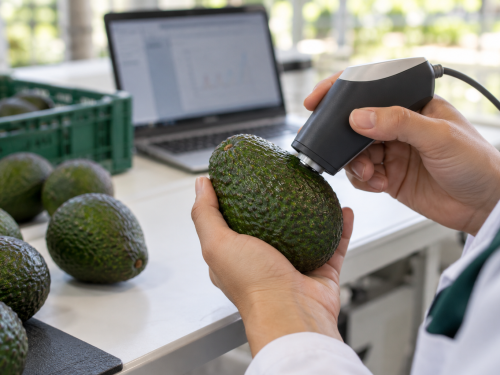
“The market for processed avocados is growing at least 10% per year”
Mexican Eduardo González has been dedicated to the avocado processing industry for more than 30 years and warns that it will continue to be a good business for moving fruit that does not have the qualities to be exported as fresh.
Talking about processed avocados is almost the same as reviewing the professional history of Mexican Eduardo González. He is originally from Uruapan, in Michoacán, which is considered the avocado capital of the world.
“In 1991, I graduated from university with a degree in Food Engineering, just as several companies were starting to process avocados in Mexico. I joined one of them and then worked for several other companies in the same field,” he says.
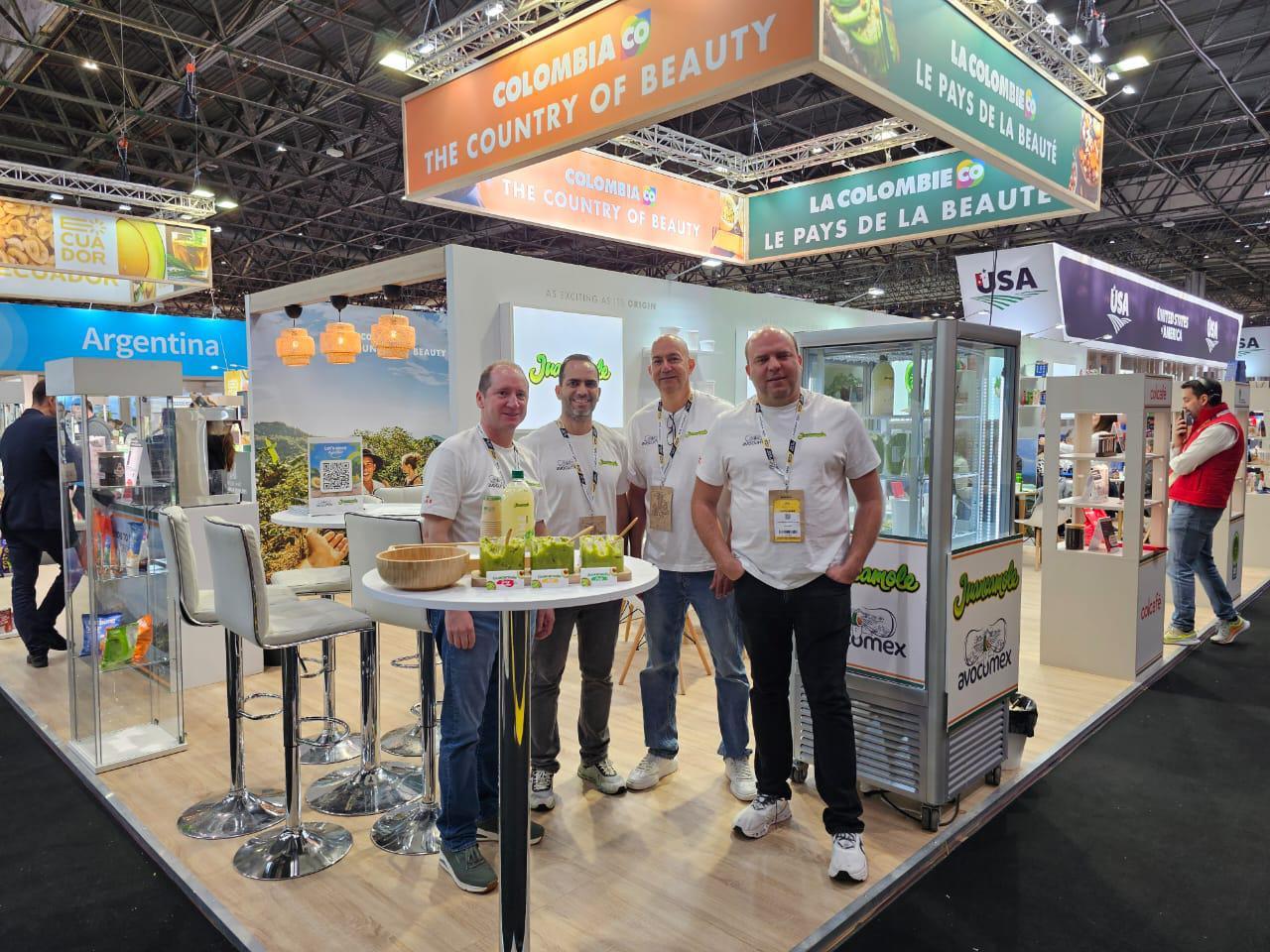
During that journey, he worked in Calavo, where he spearheaded the construction of a processing plant. He then moved to Del Monte and, from there, to Empacadora de Aguacate San Lorenzo (San Lorenzo Avocado Packing Plant). Between 2007 and 2020, he was part of the Freshcourt team. In 2021, he founded Avocomex with two Colombian partners, and he is currently focused on its success.
“In all the companies I’ve worked with, my job has always been processed fruit, like pulp, guacamole, and frozen products. It’s been 33 years now,” he says in this conversation with Avobook, where he discusses the opportunities that fruit, despite being Category 2, has in finding international markets through this type of processing.
- We've always known how big the avocado industry is in Mexico. Where does the processing business stand in your country?
“The export of processed products is very large, mainly to the United States. Just like with fresh products, it is Mexico's main market. Europe and Asia come next, but in smaller quantities.”
- Just like with fresh produce, is Mexico the world's leading producer of processed avocados?
“Absolutely. Mexico is a leader because it has been in the industry for over 30 years. So, it has been developing a lot in everything related to avocado processing: pulp, guacamole, and, a few years ago, avocado oil, which has also gained considerable strength.”
- Is it possible to quantify the volume of fruit processed in tons?
"Unfortunately, there isn't such a reliable source, but I would venture to say that it's easily around 250,000 tons of avocados that are transformed into processed products."
- What type of fruit is currently being used for this format?
“The fruit they call Category 2. In fact, the processing industry in Mexico competes a lot for raw materials with avocados destined for the domestic market. Some companies even use Category 3. Actually, for pulp, like guacamole, the main concern is ensuring there's no physical damage penetrating the pulp, since any avocado can be used for processing. With oil, it's a bit different: it depends on the quality you're looking for, because there's extra virgin and refined oil. Refined oil even includes avocados picked off the ground in the orchards. This helps to utilize all the harvested fruit. For this reason, prices for this type of fruit have risen significantly in Mexico.”
- That's interesting: has processing driven up the price of fruit that was previously less valuable?
“That’s right. That’s what’s happening now in Mexico. Also, there are several processing plants that make pulp and guacamole, and during certain seasons, when production decreases, the demand for that avocado remains high, which drives up the price.”
Is only the Hass variety processed, or can any variety be used?
“What has international recognition is Hass. Therefore, everything processed is Hass.”
- Upon hearing this, someone in another producing country, such as Chile, Peru, or Colombia, might become interested in this business. Do you think there's room for the development of this industry in other countries, or is the presence of this industry from Mexico so strong that it leaves no room for other players?
“There is definitely room for growth. In the case of Chile, the limiting factor is the cost of Chilean raw materials, which are too expensive, so it's impossible to compete on the world market. Mexico is currently facing the same problem; the cost of raw materials is becoming high, forcing them to source fruit from other countries where the avocado industry is growing and where cheaper raw materials are available.”
- Which countries fall into that supplier profile?
“Countries like Colombia are entering the market, and perhaps Kenya will follow later. All those emerging countries where there isn't a strong domestic market for that type of fruit. That's where the opportunity lies. In Mexico, in fact, there was already a boom in establishing these types of companies, but now it's slowed down because some companies haven't even managed to consolidate their position in the market, mainly due to the cost of raw materials. In the case of Europe, the cost of Mexican produce isn't competitive. However, with other origins, it's perfect.”
- Are there countries that offer better conditions for the processing industry?
“To give an example: Peru has the advantage that you can set a price for raw materials throughout the season, so you already know what your costs will be. In contrast, in Mexico, the cost of raw materials can change from one week to the next.”
- What factors make some origins have more expensive raw materials?
“In the case of Mexico, it’s more a matter of speculation. Also, supply and demand. Especially having the United States as a neighbor, because all the demand from there has driven down fresh fruit prices, and that has an impact on fruit for processing. It’s not a matter of production costs in the orchards. It’s basically a commercial issue and speculation.”
- Given that scenario, what sources are you working with to supply what is not being purchased in Mexico?
“Besides Mexico, we are currently exporting product mainly from Peru and Colombia, because our partners are Colombian and that's where we're producing. We are already exploring other origins, specifically countries where production is starting, but there isn't a market for second-grade avocados at the domestic level.”
- What are the most in-demand types of products on the processing line?
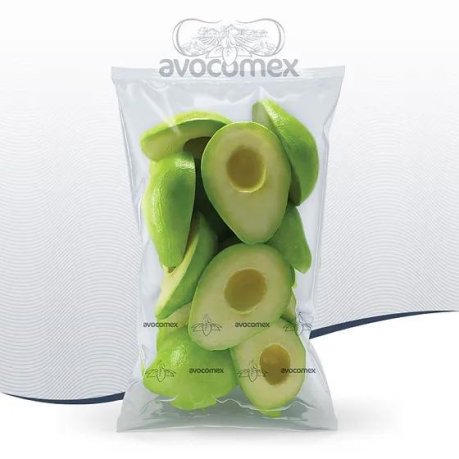
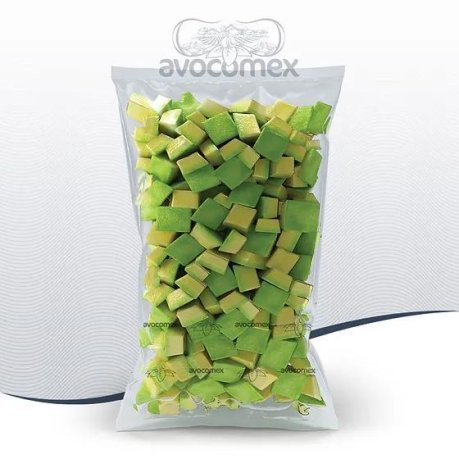
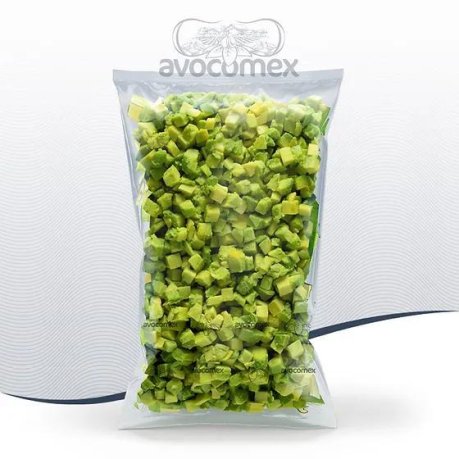
“Guacamole is number one, both for food service , in large presentations, and in supermarkets and retail. The advantage Mexico has is that it's shipped refrigerated because the product is treated with a technology called HPP. With this treatment, it has a shelf life of 50 to 60 days. That's a big draw for consumers. Slices, halves, and frozen cubes have also been very popular for salads and other dishes, even for sushi. Freezing makes preparation much easier for restaurant chains.”
- The entire waiting process for maturation is avoided in sectors that work in services that are immediate.
“Of course. In fact, there are chains that can’t use fresh avocados. For example, one case I have experience with from a company I worked for is Subway. They have 30,000 locations worldwide. So, it’s practically impossible to have avocados ready in all of them because of the ripening process. Plus, they risk having fruit one minute and then not the next. The solution is to use processed avocados.”
- What is the relationship model with avocado producers?
“There are two types. For example, in Peru we have direct relationships, so they can produce the product and we help with the know-how , thanks to our experience. We have a technical team, either in Peru or in Colombia. We help the producer to bring out that fruit with greater added value.”
- Do you only handle commercial management and technical advice, or are you also producing?
“In the case of Peru, there is a company that does contract manufacturing. So, we support the producer and the processing plant to produce according to our specifications. Then, we help with marketing. Sometimes we also provide our own equipment to complement the process. That's one of the models. In the other, there's the plant in Colombia, which is part of our partnership and is treated as if it were our own plant.”
- What is the main destination for Avocomex?
“Our main destination now is Europe, but we are currently experiencing significant growth in the United States. Shipments to Europe are made by sea, from both Peru and Colombia.”
- Is there a future market outlook for this type of product? Will it continue to be a good business, especially considering producers who haven't yet ventured into this area and might be interested in doing so?
“Yes. Based on trends over the years, the market continues to grow at a rate of at least 10% to 15% per year. Mexico is slowing down a bit in that area; there hasn't been any new plant construction due to the cost of raw materials, but development is happening in other countries like Colombia, where new facilities are being installed. The same will likely happen in Kenya and other countries. I've always said that fresh produce is paving the way for processing.”
- Shouldn't they be seen as competition?
“They don’t really compete with each other. They complement each other, because there are industries, like food service and large chains, that wouldn’t be able to use avocados if processing didn’t exist. Fresh avocados are what make the fruit known, and then comes the convenience of the processed product.”
- So, it's an important opportunity for those origins that are not yet reaching the quality required by the most demanding fresh fruit markets.
“Of course. It even helps a lot in terms of logistics, because for example, for countries like the Middle East, it's practically impossible to send fruit by sea. But if you process it, you can reach those markets without any problem. And I think the market for these products continues to grow, because in many places people are just beginning to learn about avocados, their properties, their flavor, and all their advantages.”