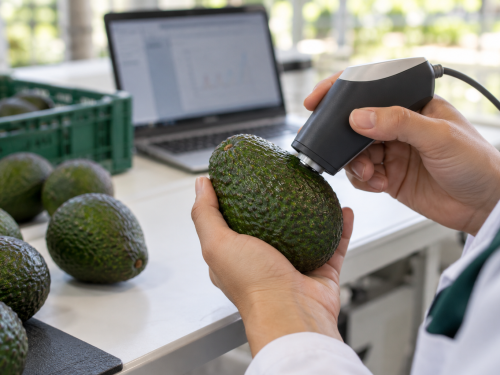
Ecuador: “We will have more avocados to export”
Santiago Pinto, CEO of the exporting and marketing company Interanza, explains the impact caused by two dry years, which shifted the season by approximately two months, although maintaining high availability of fruit between January and March.
Ecuador is a relatively new player in the global Hass avocado industry. Cultivation for export has developed over the last 10 years, although it gained significant momentum since the pandemic.
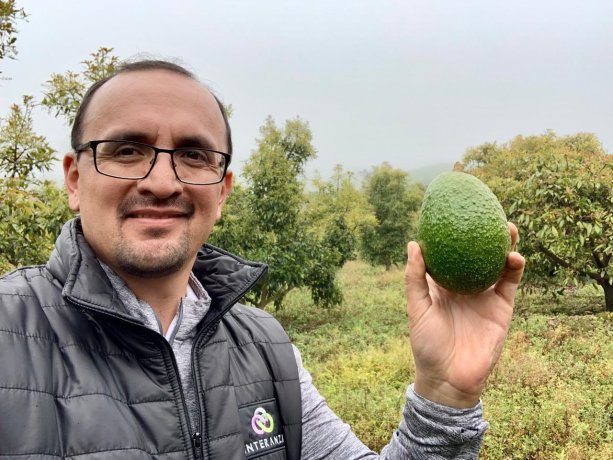
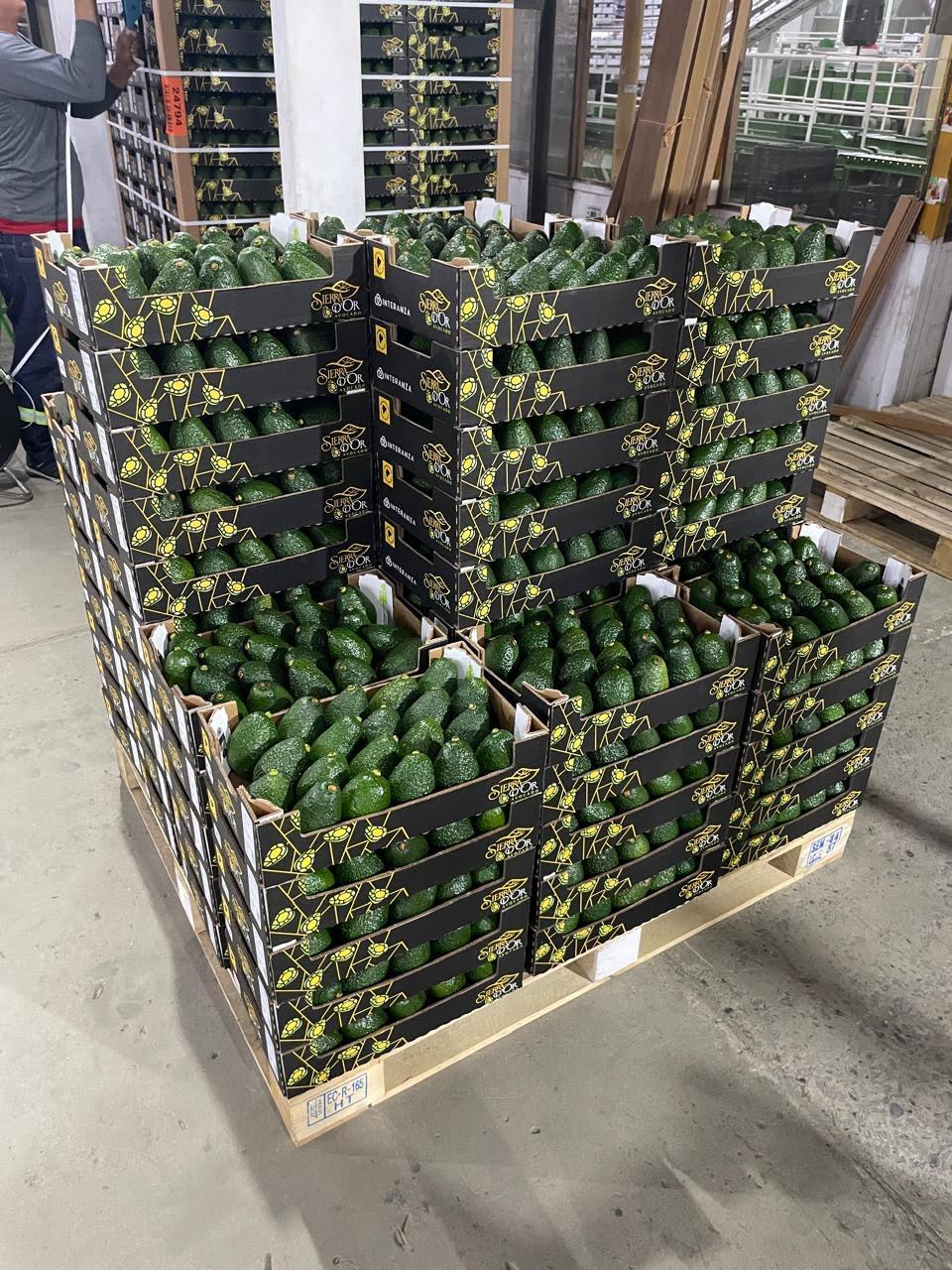
“We started by opening up important markets in Europe. Currently, the country is focused on two varieties: the national variety, with a strong green skin, which has been around for several years and is mainly used to supply the local market; and the Hass variety, mainly developed for export,” explains Santiago Pinto, CEO of the exporting and marketing company Interanza, which markets under the Sierra D'or brand.
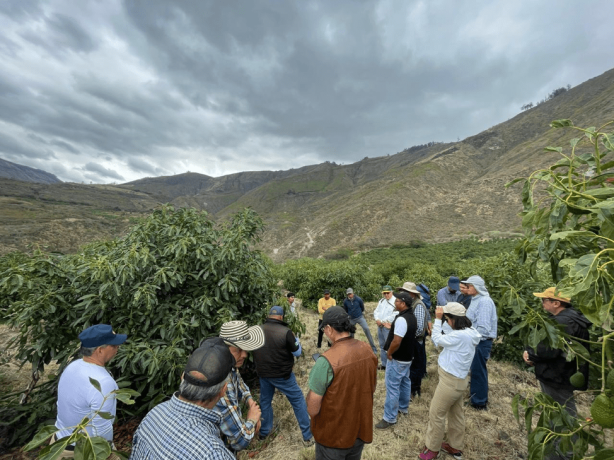
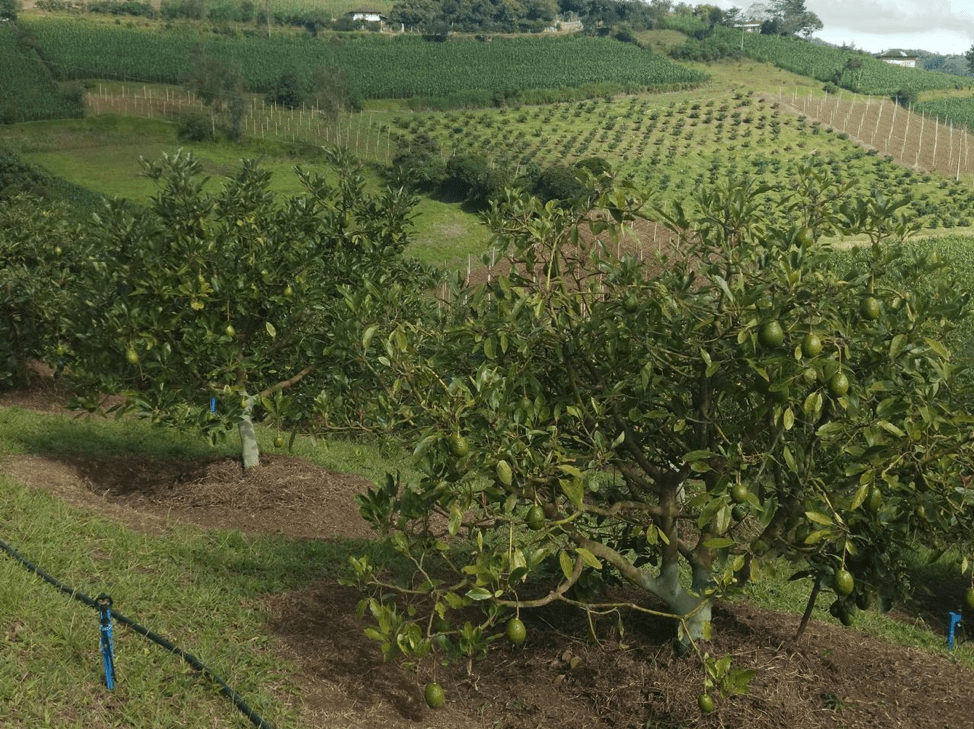
Currently, official records from Agrocalidad, Ecuador's phytosanitary agency, estimate that Ecuador has 8,500 hectares planted with Hass avocados, primarily in the Ecuadorian Andes region. Of these, approximately 3,200 hectares are planted with the Hass variety.
- What opportunity did Ecuador and your company in particular see to develop the Hass avocado?
“I’ve been involved in the internationalization of businesses for almost 15 years now. This work led me to seek new developments in value chains. In Ecuador, avocado cultivation is centuries old, but exporting it is relatively new. Four years ago, we decided to look for products that could be scalable and generate long-term options. That’s how my experience in sales, logistics, and operations came to be used for this new chain.”
- Why did you decide to enter the European market, considering the presence of so many players?
“We started with the European market because we already had a free trade agreement signed in 2015. We have phytosanitary approval, so it made perfect sense for us to focus there. In the case of Interanza, we are also in the Russian market, the Middle Eastern market, and markets like Saudi Arabia. We are also in nearby markets, such as Colombia, Costa Rica, and Argentina. We are working on the phytosanitary approval process for the United States market.”
- With all this development, what position has Interanza achieved in the market?
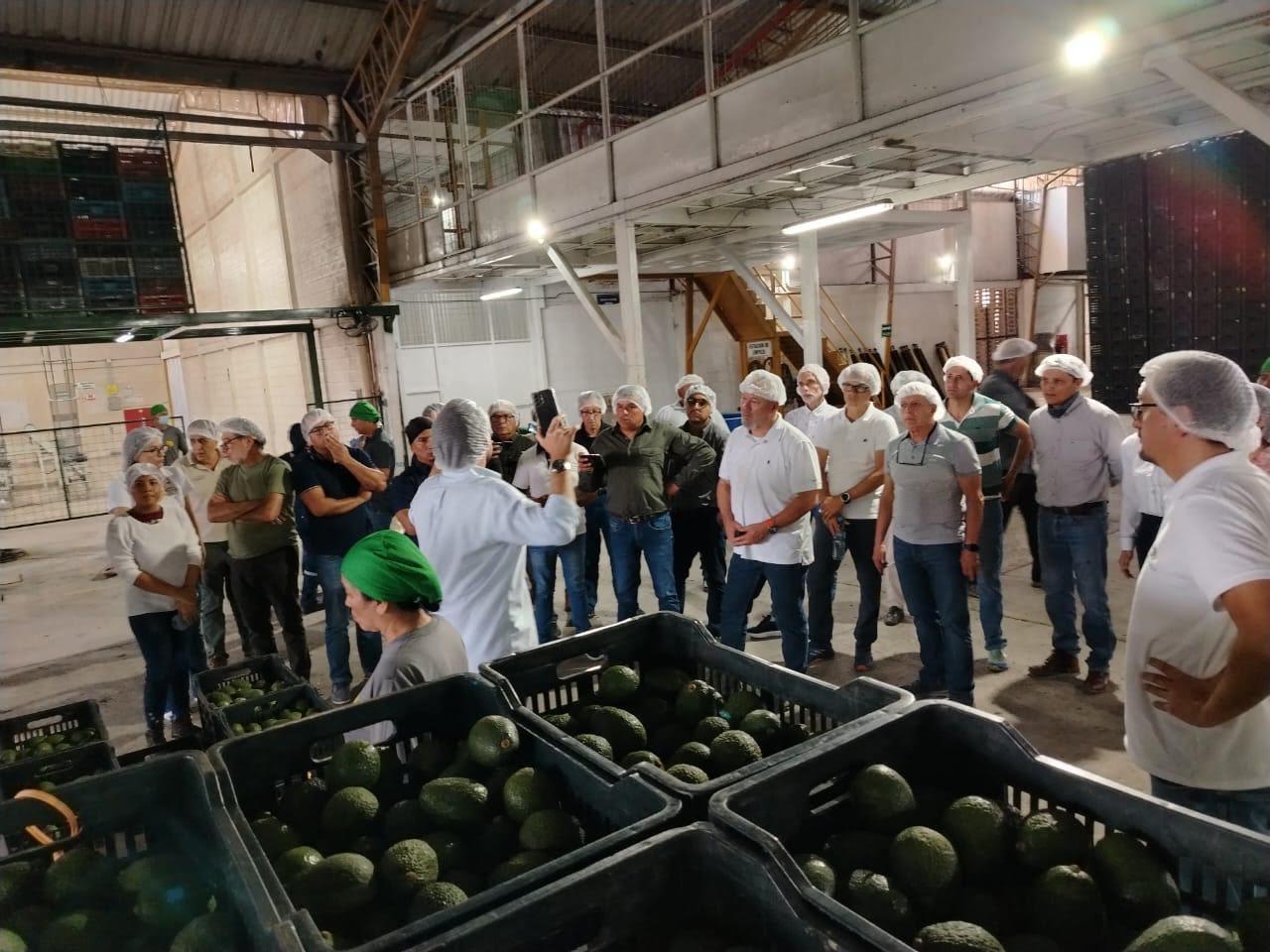
“We are one of the leading companies in the sector. We have positioned Ecuadorian origin internationally. We also do local work, because we are supplying avocados to the main local supermarkets in both varieties, and that has also given the company a different dynamism. We work to meet the requirements of the supply chains 52 weeks a year. We have also been incorporating traceability processes as we have brought our farms into important certification programs. In September, we are completing the Rainforest Alliance and Global GAP certifications. We are becoming the largest certified production unit in the country, with a presence in five provinces, reaching 120 hectares of associated producers.”
- How much is Ecuador contributing as a total source?
“Our contribution is small, considering that we have neighbors with a global presence and significant market share, such as Colombia, Peru, and Chile. The strategy has been to proceed in stages: the first step was to find a small niche and maintain that share as a new source. As a country, we are exporting 3.5 million kilos. Of that, Interanza accounts for approximately 1 to 1.3 million kilos of annual exports. Due to weather events, we had two very challenging years in terms of productivity and quality because the trees experienced a prolonged period of water stress.”
- Considering the normalization of weather conditions, what is expected for the current season?
"For this 25-26 campaign, which will be starting now in November until approximately July, we can expect a growth of between 20% and 30%."
- What impacts did the droughts have on production and how will it affect the supply provided by Ecuador?
“We have two points of analysis here. We experienced a production lag. This two-year drought shifted the production cycle by two months. Since nature is wise, we are seeing that there will be a correction to return to the traditional production times.”
- How long will this arrangement last?
“We estimate this will take approximately two years. This is the first year we're running this process, and from what we've seen between flowering and fruit set, we expect to have a greater quantity of fruit for export. Not necessarily a greater production volume, because much of the fruit produced in 2023 and 2024 went to the local market, mainly to nearby markets. And not necessarily as fruit for consumption, but as a byproduct for production in Colombia. So we anticipate a reduction in volume, but the fruit available for export will increase by 30 to 40%. For the next cycle, 2026-27, we foresee a significant adjustment in the cycle. We estimate that the current crops, their maturity, plus the introduction of new crops, which will become noticeable this season, will allow for a 30% to 40% increase compared to the 2025-26 season.”
- Given this shift, when will you have more fruit available to send to the international market?
“We’re going to continue during the key period, which is January, February, and March. That’s where our focus will be. It’s just that our peak season used to start earlier, in October, November, and December, with significant volume. Now things are moving, but the peak will remain. We’ll have a significant volume in April, May, and June that we didn’t have before.”
- What space of opportunity are you occupying, considering the multiplicity of origins, to make the business profitable in Europe?
“It has been quite challenging, because there are very large players , especially in the European market. There's Peru, a major player , which supplies 80-85% of the demand for 52 weeks. But there's a unique aspect: being located literally on the Equator, at the Ecuadorian equinox, allows us to have production at a crucial time, when demand isn't necessarily being met. These are the periods from December to March, when Peru hasn't reached its peak and Chile is just starting its season. Meanwhile, Colombia has been changing its strategy, aiming to reach the North American summer. That gives us an advantage.”
- How much weight has being world leaders in other agricultural products had?
“With them we have demonstrated what Ecuador can produce. We have the best bananas in the world, the best cocoa in the world, the best shrimp, the best tuna, and very good quality mangoes, etc. So, we start from the premise that the climatic conditions of the land, temperature and humidity variations, make our fruit stand out as being of a very high standard.”
- Where do you identify your main weaknesses, considering that importers and end consumers are very demanding regarding fruit quality?
“Considering we are new, we have a development process underway in terms of nutrition and phytosanitary standards. The good thing is that the fruit generally ripens quite well. Although there are some batches that perhaps don't develop as we would like, these only reach 2%.”
- How have you played with the caliber offering, considering the strong dynamism in Europe in this aspect?
“The issue of caliber demand has been another challenge, but it's been the same for everyone. If a major player like Peru is heavily focused on small calibers, it creates demand for large calibers. If Peru has a large production of large calibers, it creates demand for small calibers. So, we're somewhat caught in that dynamic. Since we don't yet have a stabilized production, we've had to be flexible and adaptive. What we have found is that the bulk of our production is in medium calibers. That has helped us cover part of the European and Russian demand. It's true that we have significant production of small calibers, which we're using to supply nearby markets and the local market.”
- So, is part of Hass avocado production already in demand within Ecuador?
“This is a novelty, because traditional demand is practically for strong varieties, of large sizes. We are introducing the consumption of Hass in smaller sizes, in more attractively priced presentations, focused on young professionals and small families.”
- What is the business approach for the coming years?
Perhaps in the next five years, we should focus on a more equitable distribution of large, medium, and small calibers, where we have a 33% share for each one.”