Climate factor will impact the annual volume of Mexican avocados in the United States
This is according to Antonio Villaseñor, owner of Aztecavo and columnist for Avobook, who warns that -in any case- Mexican avocados will regain their position in the North American market starting in August
For several weeks, the Avobook Report has shown a decline in the share of Mexican avocados in the US market. This trend is highlighted again this week, although the report clarifies that it is more of a minor fluctuation in the performance of the fruit from that country.
This is because the numbers will show a gradual recovery as the harvest of "the crazy flower," which is characteristic of this period, begins to gain strength, once the earlier harvests in Jalisco and Michoacán are exhausted.
This is reinforced by Antonio Villaseñor, who knows this Mexican state like the back of his hand, as the head of the exporting company Aztecavo. He is also a frequent columnist for Avobook.
As he told Avonews, “indeed, Mexican avocados have been losing market share and are now at around 55%.”
“In February, March, and part of April, we had an 80% market share. Then California and Peru came in, which always happens when Mexico has less fruit. That occurs between May and July,” he explains.
However, as can be seen in the records of the Avobook Report, it is a brief phenomenon, because - as Villaseñor describes - "Mexico has the curious fact that there is a time when the two harvests can overlap. Sometimes in June, July and August we can have new fruit and old fruit at the same time."
“Perhaps in the coming weeks we will reach 50% and continue at that level during June and July. But, starting in August, Mexico will gradually increase its presence in the United States again, reaching 85%, 90%, and 95%, which will coincide with the exit of Peru and California, the two major producers,” explains Antonio Villaseñor.
Lower volume of avocados from Mexico than in 2023
However, in global terms, the fruit from that country will end up with a lower volume, compared to the performance in 2023.
“This harvest we’re finishing up is practically a low harvest. That means there’s less than last year. We believe there will be much more next year, but we also have to take into account the weather conditions and especially the rainfall, which normally occurs here in Michoacán between June and October,” warns Antonio Villaseñor.
One of the factors behind this decline is precisely the weather, since "last year was one of the driest seasons in history and obviously it affected production."
“We should already be entering the rainy season, although in some areas there hasn't been any rain yet, or very little. So, this factor will definitely be important, to consider whether next season we'll have a much larger harvest than we have this season,” he says.
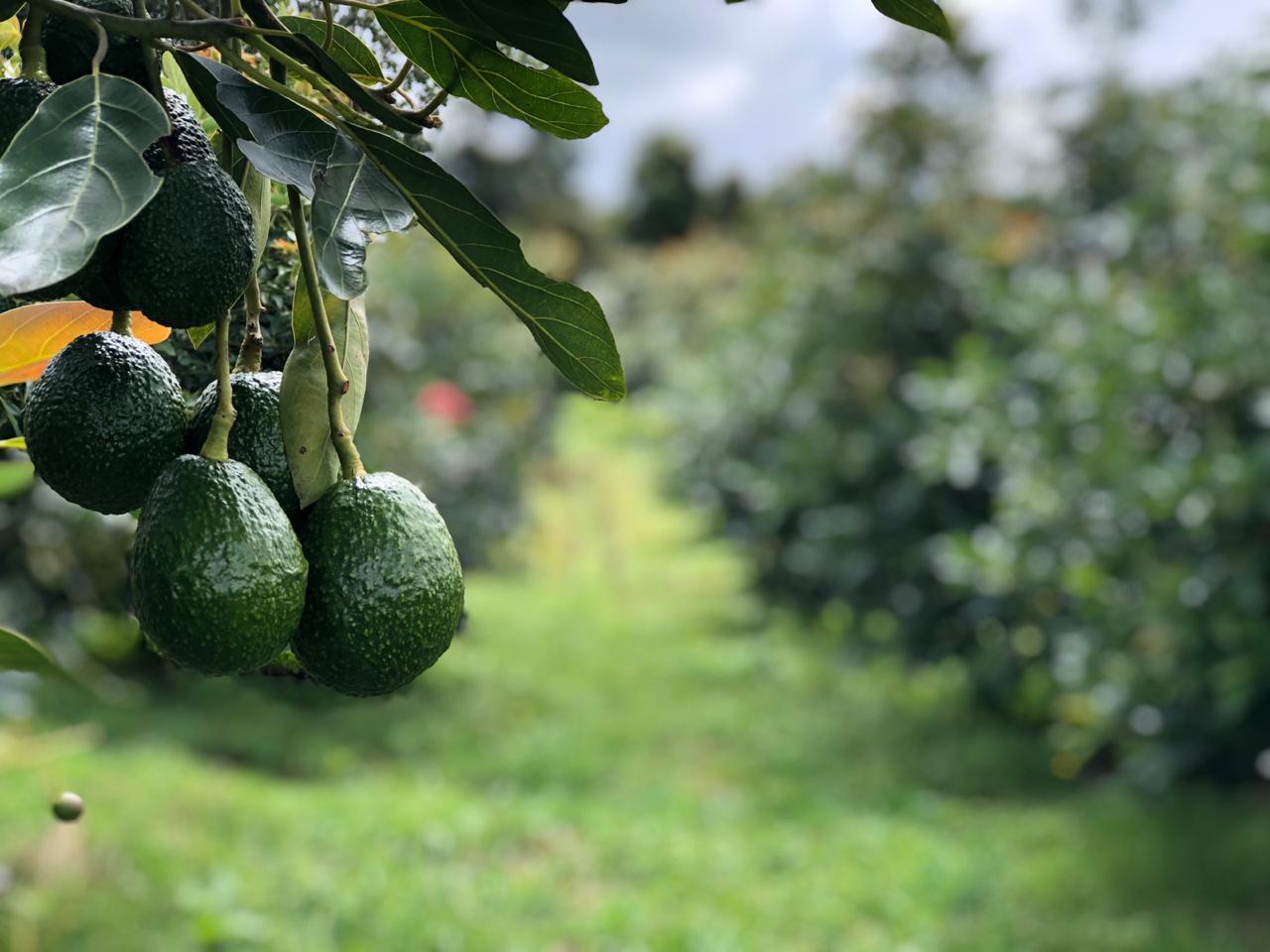
Rain scarcity: a factor that Mexico's avocado industry must address
The lack of rainfall is a factor to consider, since in other origins - such as Chile - it has been a determining factor in the reduction of production.
In the case of Mexico, this is particularly important, considering that most of its fields essential to industry depend on rainfall for irrigation.
“My opinion is that climate is something we already have to address in Mexico. Global warming is affecting different areas. For example, there used to be some places where planting wasn't possible because they were too cold, and now it seems that it is. And there are areas that used to be temperate and are now becoming a bit warmer, and the issue of water scarcity is something we have to consider. Having more efficient irrigation systems will allow us to cope with this variable,” warns the Avobook columnist.
And he is clear about the seriousness with which the issue must be taken: "What I see is that it is not something fleeting and it can affect us differently year after year."
Avocado production in Michoacán depends on rain
Aware of what is happening in his land, Antonio Villaseñor points out that managing the climate variable is very relevant for Michoacán, because a large part of the production depends on the rains.
“The problem in Mexico is that possibly 60% to 65% of the orchards are in Michoacán, and here, crops depend on rainwater. Some states have irrigation systems, mostly sprinklers, and some producers are more technologically advanced than others. But we definitely need to analyze how to make irrigation more efficient. Whether we should switch to drip irrigation or another system are issues that will have to be analyzed,” says the owner of Aztecavo.
You might also be interested in avobook.com