Avocado Exports in Ecuador: A Strategy Based on Quality and the Opening of New Markets
The outlook for the Ecuadorian avocado industry is based on complementing the supply of the most important providers, with a strategy focused on quality, progressive growth, and the development of large and medium sizes, consolidating its presence in Europe and developing nearby markets.
Ecuador, world-renowned for its production and export of bananas, cocoa and flowers, has ventured into the avocado market with the same enthusiasm that characterizes its historical agro-industry.
Although the country is still an emerging player in this sector, avocado exports are experiencing sustained growth, driven by the decision of its key players to focus on fruit quality, taking advantage of favorable weather conditions.
Currently, Ecuadorian avocados are present in diverse markets, such as Europe, Russia and the Middle East, and their presence is projected to continue increasing in the coming years, thanks to the growth potential of the cultivable hectares in the Ecuadorian highlands.
This growth has been driven by companies that have invested in this fruit. The companies leading the way are Interanza and Durexporta Global. The former focuses on production and marketing, while the latter provides packing, logistics, and post-harvest services.
Santiago Pinto, president of Interanza, and Jorge Salvador, Production and Operations Manager of Durexporta Global, are two of the protagonists in this development and knowledgeable voices on the qualities of their country's industry.

Pinto highlights that Interanza has consolidated itself as the country's main avocado exporter, while Salvador emphasizes Durexporta's experience in the agro-industry, being the largest producer and exporter of mango in Ecuador, whose "know how" is available for avocado.
Both companies have worked together not as client and supplier, but as partners, refining their production and export processes. They both agree that, for Ecuador, the strategy is to focus on quality, not volume.
This report by Avobook takes an in-depth look at the avocado export industry in Ecuador, highlighting four key themes: market development, technical challenges, increased production, and production sustainability.
Market Development for Ecuadorian Avocados
The avocado export industry in Ecuador is recognized as a developing business. It doesn't aspire to be a leader in its destination markets in terms of fruit volume, but it has focused its efforts on gaining recognition for the quality of its product.
Interanza has managed to introduce Ecuadorian avocados into markets with significant consumption, such as Europe and Russia.
“Europe is our most important market. Other markets are opening up from those we already have, such as Russia. Our strategy has been to take advantage of the production windows that Ecuador offers, competing at times when the supply from other countries like Mexico and Peru is lower. We aim to be a complement, not necessarily to cover the times of highest demand,” explains Santiago Pinto.
One of the opportunities that has facilitated the opening of paths has been the signing of trade agreements for the development of the sector.
“Ecuador is undertaking a major campaign to open trade agreements. The first one that gave us the impetus was the agreement with the European Union signed in 2015, which has allowed Ecuadorian companies to enter international markets with tariff advantages, strengthening the competitiveness of our avocados,” explains Jorge Salvador of Durexporta.
The local market also plays a significant role in companies' strategies. Although the main focus is on exports, a significant percentage of production is destined for the domestic market, but managed in a parallel fashion.
“We manage it as two separate businesses. For the fruit that remains for export, we get the difference directly from the producers themselves,” Pinto explains.
In addition to traditional markets in Europe and the Middle East, Ecuadorian companies are exploring opportunities in geographically closer markets, which not only reduces logistics costs but also minimizes the risks associated with shipping routes and preservation technologies.
The president of Interanza points out that developing local markets is a strategic option: “We have seen developing local markets as a good option. There is the market in Argentina, Uruguay, some in Central America, and the United States, regarding which we are finalizing the respective protocol.”
Furthermore, another opportunity is being created with the trade agreement with China, which began in May 2024 and opens the door for Ecuadorian avocados to reach Asia in the near future.
“The trade agreement with China will allow us to have an open phytosanitary protocol in a couple of years. Then we will have a lot of market diversification for the amount of fruit we are going to produce,” Pinto explains.
However, focusing on these new markets doesn't mean neglecting its most important customers. For this reason, Interanza wants to strengthen its presence in Europe by participating in international trade fairs and consolidating solid relationships with local distributors.
“The key is to understand the needs of the European market and adapt our products to meet their expectations,” says Pinto.
Double production and focus on medium and large calibers
Avocado growing areas in Ecuador are primarily located in the Sierra region, at altitudes ranging from 1,500 to 2,500 meters above sea level. This area is not traditionally known for its agricultural exports, as most export-oriented agricultural activity is concentrated on the coast.
However, the soil, climate and altitude conditions of the Ecuadorian Sierra offer unique characteristics that give avocado crops, especially the Hass and Fuerte varieties, a high development potential.
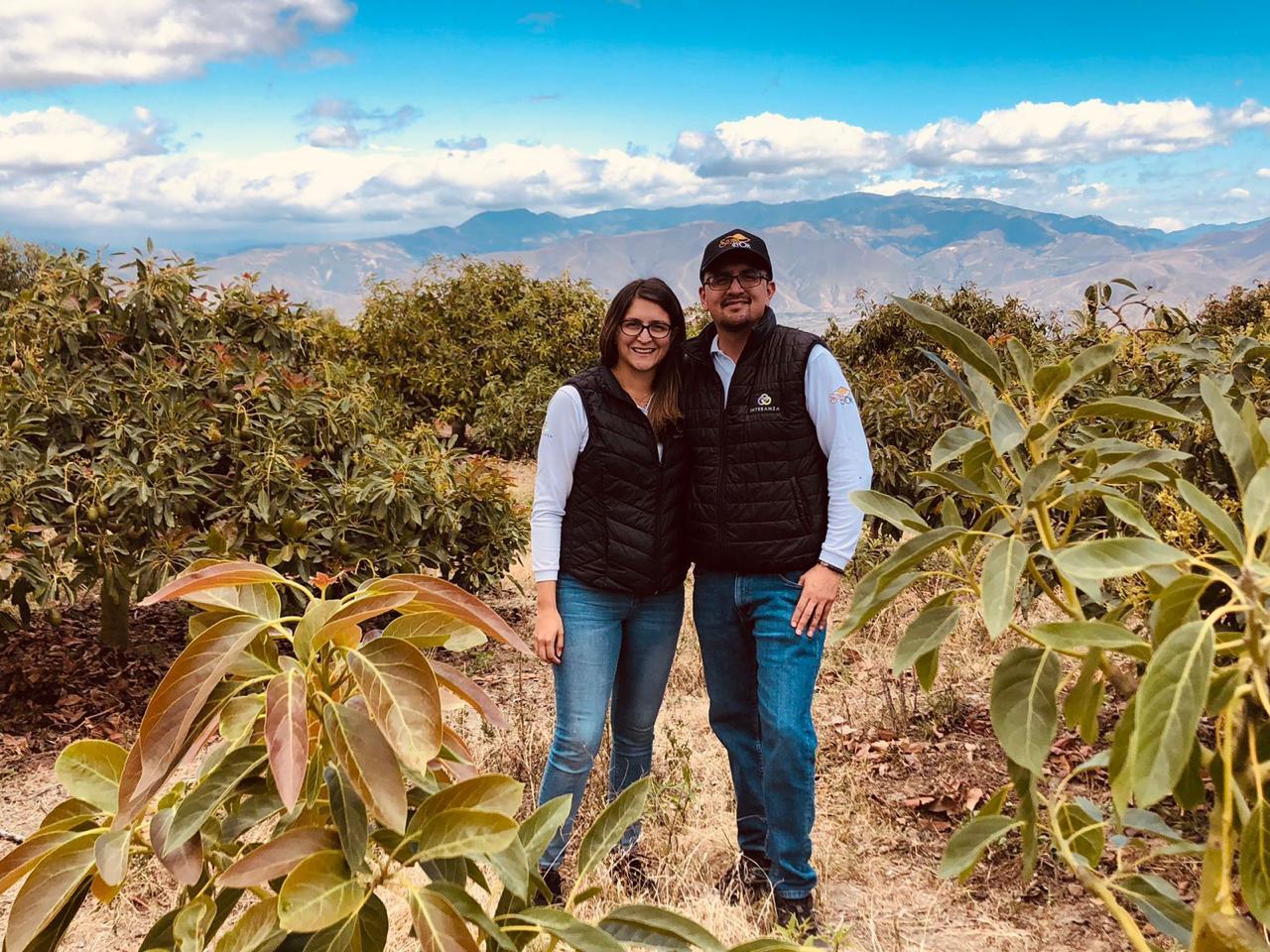
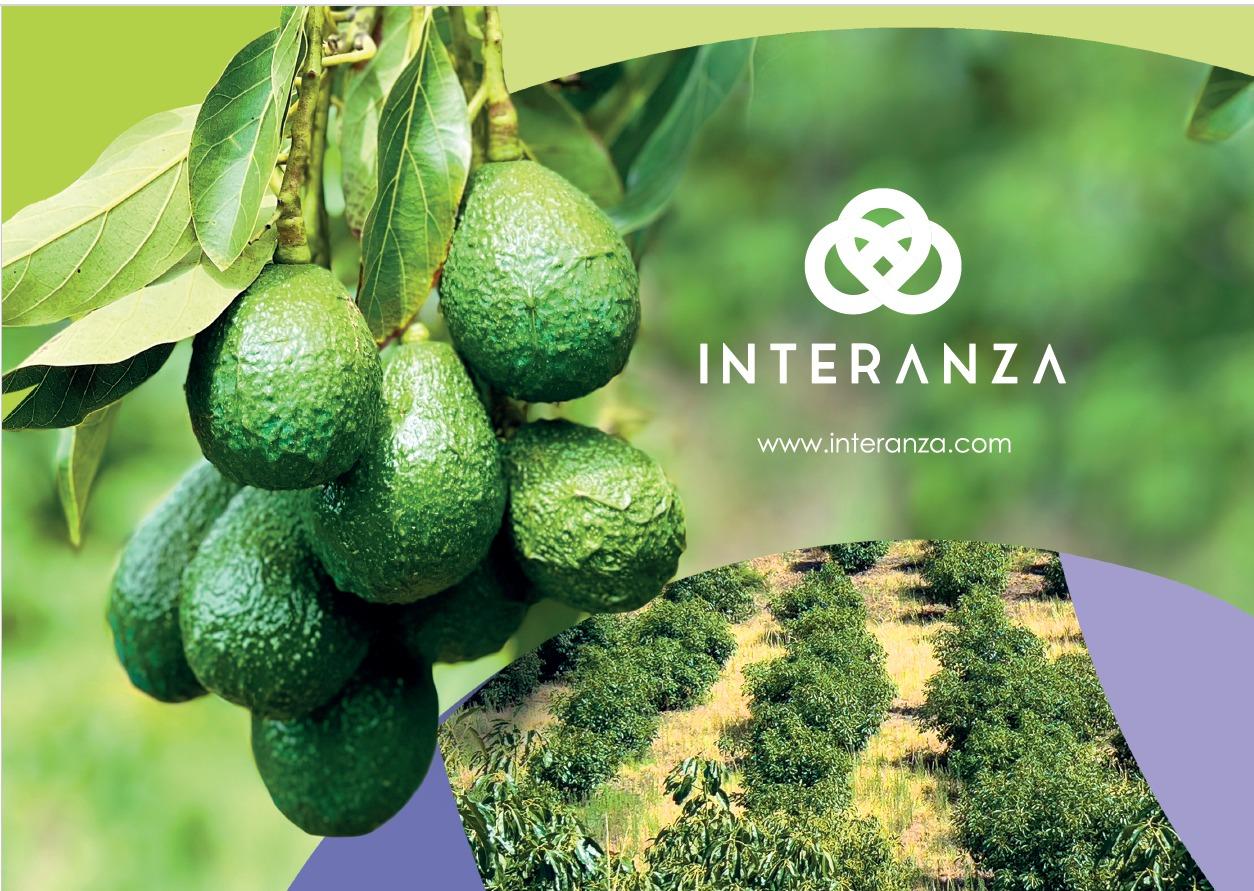
Currently, Ecuador has approximately 6,000 hectares dedicated to avocado cultivation, of which 2,000 are planted with the Hass variety and 4,000 with the Fuerte variety, which is destined almost exclusively for the local market.
Although this area is relatively small compared to other producing countries, the focus on quality and specialized technical management is allowing Ecuador to establish itself as a competitor in the global market.
According to Santiago Pinto, “Colombia has 40,000 hectares, which allows them to have a volume-based strategy. Our strategy is based on quality. In five years, we could reach between 8,000 and 10,000 hectares.”
Growth projections for avocado production in Ecuador are promising. Pinto mentions that, in the next five years, the country expects to double its cultivated area to reach 20,000 hectares. The focus is on producing large, high-quality avocados.
This expansion will allow Ecuador to increase its share of international markets, not by competing directly in volume with large producers like Mexico or Peru, but by positioning itself as a premium origin, recognized for the superior quality of its avocados.
Technical Challenges: technology and standardizing processes
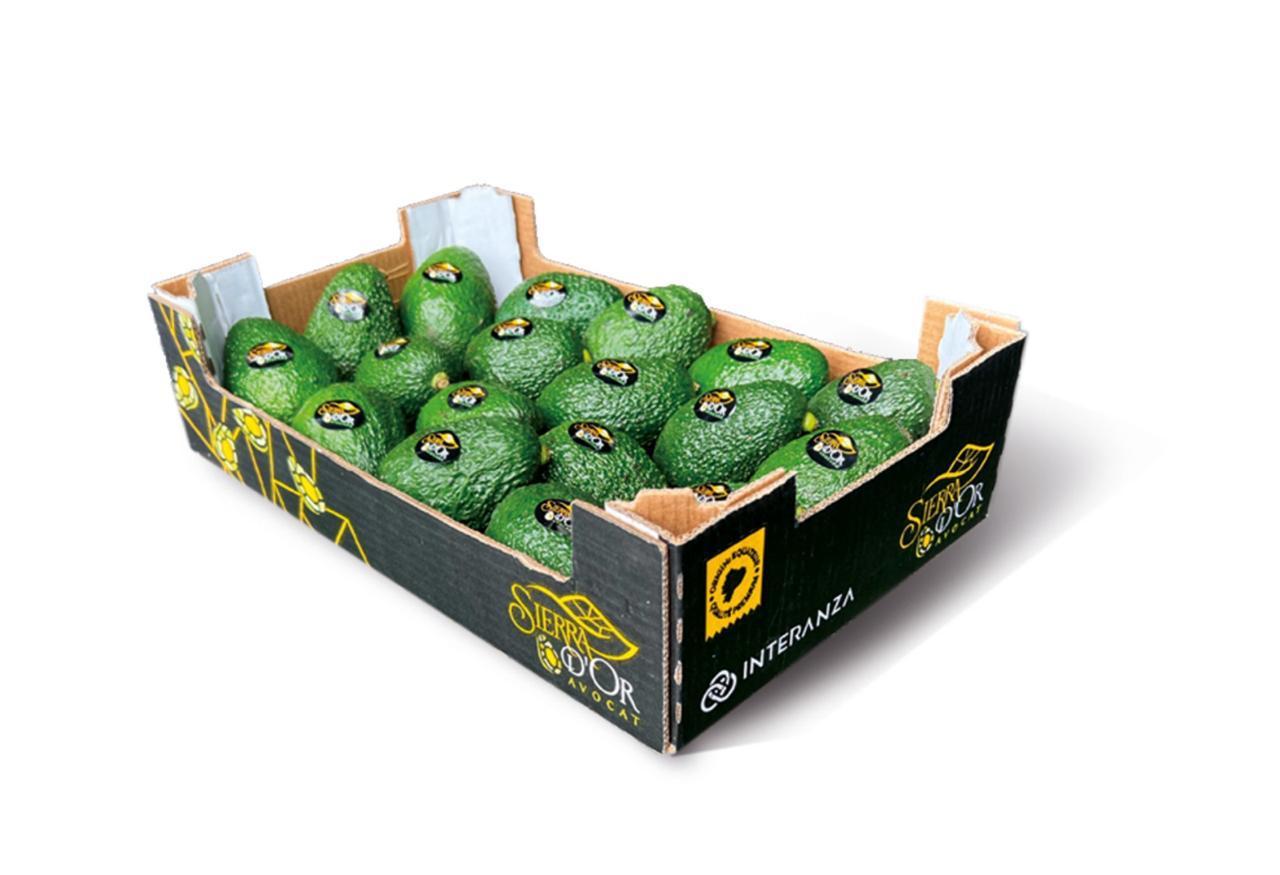
Interanza exports around 100 containers of avocados per season, including both the Hass and Fuerte varieties. While the Fuerte exports are significantly lower compared to Hass, Interanza has managed to export a volume of nearly 300,000 kilos of Fuerte avocados.
“The Hass avocado is the most in demand. The Fuerte also has its place. Although it is less popular than the Hass, it has a potential market in Russia,” says Santiago Pinto.
Differentiated handling in processing plants, depending on the destination market, has been crucial for maintaining fruit quality. This is where Durexporta Global's contribution comes in, leveraging its experience in the agribusiness sector after decades dedicated to mango marketing. The complexity of this industry has allowed them to address challenges that are now being made available to the avocado industry.
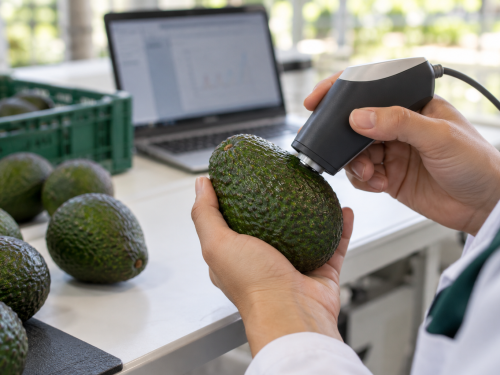
“For example, avocados are a product that requires forced air cooling. The plant already has forced cooling for all processes. In this cold storage management, we have a differentiated protocol for the two varieties that are exported. The calibration and packaging process is done using electronic calibration. We have also invested in temperature sensors throughout the process, digitally controlled dosing, and computerized cold storage management. There are certain differentiated standards in terms of disinfection, and these are managed more according to the market where the fruit will be shipped,” says Jorge Salvador.
One of the strengths of the industry is the diversity of producers involved. In the case of Interanza, it works with 45 producers from 7 provinces across the country. This presents a challenge in standardizing processes to ensure consistent quality across the country's fruit.
“We have developed our own management system, integrating it with the management systems of certified farms. This allows us to maintain consistent and efficient processes at all stages,” explains Salvador.
The implementation of certified management systems, such as Global GAP Grade 2 Option 2, seeks to provide assurances to recipients that the quality and sustainability standards required by international markets are met.
Traceability is another critical aspect of the avocado supply chain. As Jorge Salvador explains, “as a matter of policy at Durexporta, we embarked on a project approximately six years ago to achieve 100% traceability.”
“This system allows us to track every box of avocados from the producer to the end consumer, guaranteeing transparency and trust in the product. Each of our boxes specifies the producer, and we also specify it in our fruit collection logistics. We are making technological improvements that will make the process more robust and transparent,” he explains.
The collaboration between Interanza and Durexporta has been fundamental in overcoming these challenges. Salvador highlights the synergy between the two companies: “We don’t look for clients, we look for strategic partners. The moment the client grows, we grow hand in hand.”
Sustainability: A Commitment to the Future
Sustainability is a central theme in avocado production in Ecuador. The country's geographical conditions, especially in the Sierra region, offer significant advantages, such as proximity to water sources.
Santiago Pinto comments that, despite this, one of the challenges is optimizing water use: "Much of the water that comes down from our mountains is lost. What we want is for that optimization to be effective."
Water footprint and carbon footprint certification are areas in which Interanza is actively working.
“We are working on several processes, including water footprint certification and carbon footprint certification,” Pinto adds. These efforts are essential to ensure that the expansion of avocado cultivation in Ecuador is sustainable in the long term.
In addition, companies are implementing practices to mitigate the impact of the drought and optimize water use.