Chilean avocado exports project a favorable season
One of the factors that would influence a good commercial performance for Chilean avocados is the early opening of the European market and an almost solitary presence during three key months for exports.
The outlook for the 2024 Chilean avocado export season is promising. At least that's the projection of Carmen Gloria Lüttges, avocado sales manager at Westfalia Chile, who explains that current conditions and forecasts point to a promising season for a fruit that is in high demand in all markets.
This is despite the reduction in cultivated hectares that has occurred in the last 13 years, due to the drought affecting the north-central area of Chile, which is the productive heart of the avocado in that country.
However, this has not diminished the demand for Chilean exports, which in the coming weeks will be arriving mainly in Europe, a destination that takes almost 75% of Chilean avocados.
As Carmen Gloria Lüttges recalls, “Over the last two seasons, we have exported almost 90 million kilos of avocados from Chile. Some years it's more, some years it's less, but the truth is that abroad they always want more. Chilean fruit is the most sought after during the months when Chile is present.”
Unlike what is happening in Peru and Colombia, the "El Niño" weather phenomenon has produced rains that are a relief for producers, helping the productive condition, quality and size of the fruit, just at a time when an early opening of the European market is expected, which could ensure favorable prices and less competition for a significant stretch of the period.
Early opening of the European market and key decisions in November
According to the Westfalia executive, one of the main advantages this season will be the early opening of the European market, due to Peru's early exit from the market—Peru being one of the main players on that continent. This will create a window of opportunity for Chile to enter the market from August with virtually no competition.
“The 2024 season is shaping up to be similar to last year’s, with the difference that we expect to start with a higher weekly volume from the beginning. This is because Peru is experiencing a significant drop in its exports. That decrease is currently at 10%, even though 70% of its season is already underway,” he explains.
The data suggests that the last third remaining for Peru will have a lower volume than estimated.
“Furthermore, it comes with a smaller size than in other years and that will generate an early end to the season, which will allow Chile to enter Europe early and take advantage of the lack of fruit in the months of September, October and November, where there are few origins selling,” Lüttges comments.
The executive explains that, “during those months, Chilean fruit is present in Europe at the same time as Colombian fruit, but the Colombian product is generally smaller. Chilean fruit is more sought after than Colombian fruit when both are available. Therefore, Chile could be practically alone in Europe during September, October, and November, with very good prospects, especially for larger sizes.”
As November and December draw to a close, the "local countries," as Spain, Israel, Portugal, and Morocco are called in Europe, begin to harvest.
“At that point, depending on the volumes coming out of these countries, Chile must analyze whether or not exporting is justified in order to give good returns to the producers, because at the same time prices in the domestic market could start to rise and become more attractive,” explains Lüttges.
Climatic factors and their impact on the season
The El Niño phenomenon has brought abundant rainfall that has benefited avocado-producing regions in Chile: Coquimbo and Valparaíso, in their inland valleys. This not only improves fruit size but also reduces water stress in the crops, a recurring problem in recent years due to prolonged drought.
“We are grateful to El Niño for the abundant rains we have had. This has provided a great respite for the northern regions of the country this season, allowing for better fruit harvesting. The rains have brought only positive aspects for the industry,” explains Lüttges.
The situation is different with the La Niña phenomenon, which is projected for the coming months, bringing both advantages and disadvantages, because it could bring cold weather and affect some producers, especially in the lower parts of the fields where temperatures can drop significantly.
“This phenomenon could generate frosts that impact this year’s and next year’s production, depending on the date. Despite these challenges, the expectation is that the lower summer heat will also be beneficial, reducing the need for irrigation and decreasing water stress in plants. In addition, the lower temperatures will help minimize the risk of fires, a constant concern in agricultural areas during the summer months,” he explains.
International Competition and Markets
The commercial manager of avocados at Westfalia Chile explains that the European market will continue to be the main destination for Chilean avocados, with a growing demand, which is met by the country's great capacity to have all the necessary sizes and certifications.
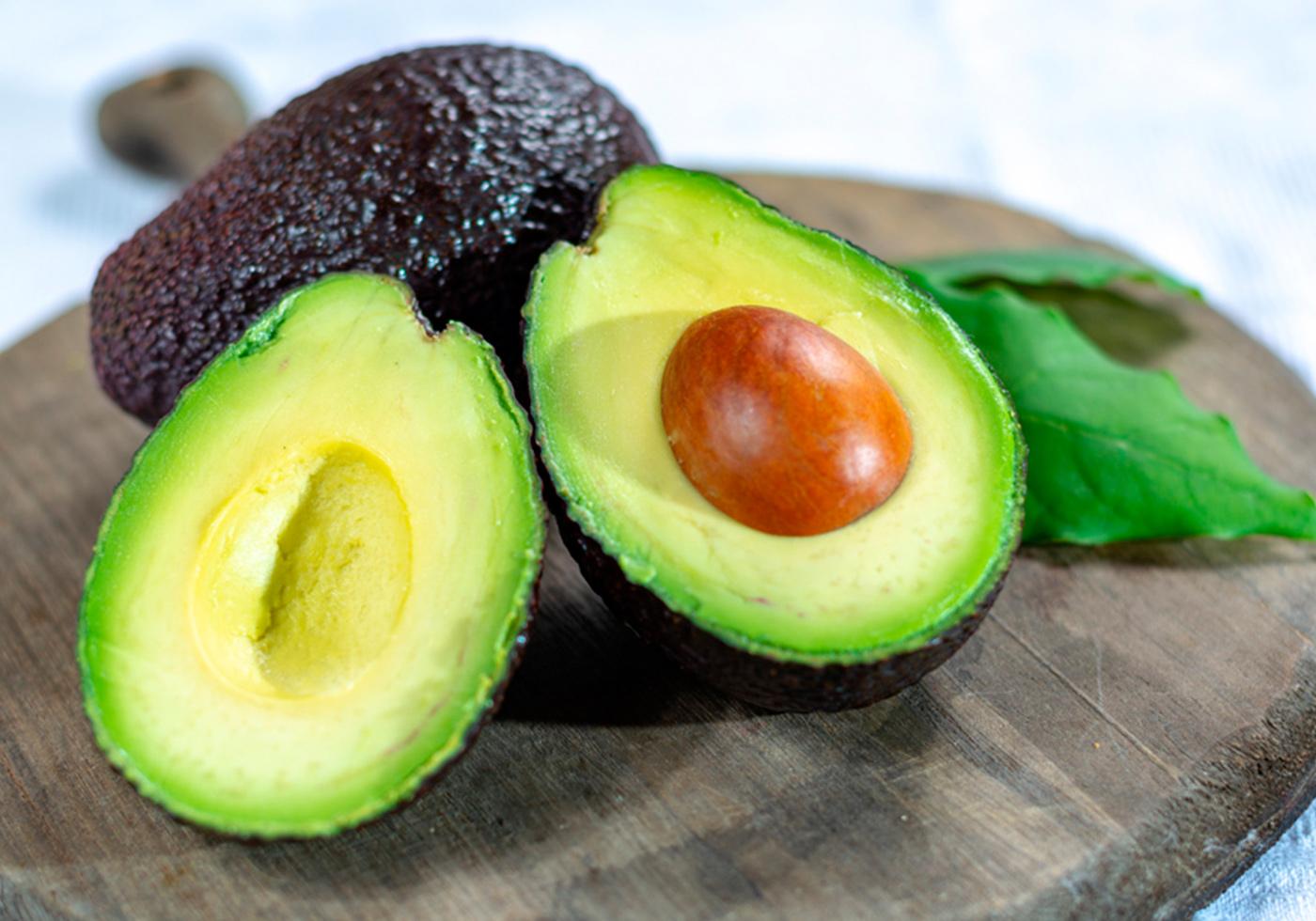
“Spain and Italy, for example, prefer large calibers, while Scandinavian countries opt for small calibers. This diversity of preferences allows Chile to adapt its offering and maximize its export opportunities,” he says.
“Avocado consumption in Europe still has plenty of room to grow. Countries like Spain and Italy are increasing their consumption at double-digit growth rates. Consumer education on how to eat avocados is still developing, which opens up more opportunities for us. In the case of China, consumption will grow when the fruit begins to ripen, and there are already importers installing or adapting ripening chambers,” Lüttges points out.
Percentage distribution of Chilean avocados in the markets
According to data provided by Carmen Gloria Lüttges, the main destination for Chilean avocados is Europe, where around 75% of export production is destined.
Only 5% is shipped to the United States, while approximately 11% remains in the Latin American market (mainly Argentina). Asia accounts for 9% of shipments.
The distribution between exports and local consumption depends on the characteristics of each season, but the domestic market is known to be very strong. On average, Chile exports between 50% and 55% of its avocados, and sells between 45% and 50% locally, depending on the year.