The United States eliminates the tariff and redefines the context for Peruvian avocados.
The elimination of the 10% tariff on avocado imports in the United States improves market access for Peruvian avocados in one of its most strategic markets. While the impact of the tariff was partially absorbed by price fluctuations at the source, the measure reduces costs, improves competitiveness, and creates a more favorable environment for the Peruvian season, which begins in March.
The recent US decision to exclude avocados from the reciprocal tariff scheme has once again highlighted how trade policies influence the competitiveness of exporting countries. In the case of Peru, one of the main suppliers to the US market, the elimination of the 10% tariff represents a significant change, although its effect must be analyzed considering how the product's price is determined at its destination.
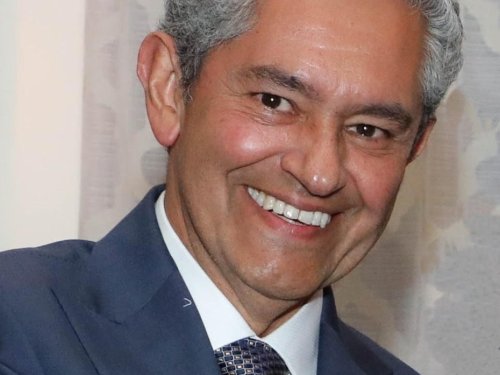
From the private sector, the interpretation is positive, albeit with some nuances. For Alfredo Lira Chirif, executive director and founder of AgroLeal, the removal of the tariff points directly to greater trade fairness. “It’s always good news when these types of tariff barriers are eliminated to achieve fairer trade, especially for producers,” he states. In that sense, the measure eliminates a cost that affected the export chain and, although not always directly reflected in the final price, did have economic consequences.
Lira explains that, during the period the tariff was in effect, its impact was partial due to the structure of the U.S. market. There is a clear price differentiation based on origin: California avocados fetch higher prices than Mexican avocados, which, in turn, are more expensive than avocados from Colombia and Peru. “This price difference absorbed part of the tariff while it was in place,” she notes, emphasizing that the dynamics of supply and demand themselves absorbed some of the additional cost. “In the end, supply and demand do their job,” she adds.
This assessment aligns with the institutional framework in which the decision was made. According to official information released by the White House, the United States decided to exclude a broad list of agricultural products from the reciprocal tariff scheme, formalizing the change through modifications to the Harmonized Tariff Schedule of the United States (HTSUS). Avocados are among the products that benefited, reducing import costs for U.S. importers and improving market access conditions.
From Peru, the Ministry of Foreign Trade and Tourism (MINCETUR) confirmed that more than 100 Peruvian agricultural products were excluded from this tariff, explicitly including avocados. According to the ministry, the measure strengthens the competitiveness of Peruvian exports in the United States, a key destination for the growth of the agricultural export sector.
Although the tariff did not completely alter market dynamics, it did have a negative impact on returns. “There was undoubtedly a negative effect on the return to the exporter,” Lira acknowledges, though he clarifies that this impact was moderated precisely because of the way the U.S. market values Peruvian avocados compared to those from other origins.
As for when the benefits of the new scenario will begin to be felt, the effect will be immediate. “The effects will be seen from the very beginning of the Peruvian season,” he states. While exports of fruit from the Peruvian highlands—primarily destined for Europe—are already underway, the key moment will arrive with the start of the regular season in March, when shipments from Olmos begin and the US market starts to more clearly reflect the elimination of the tariff.
Overall, the elimination of the 10% tariff does not change the structural rules of the U.S. market, but it does improve the starting point for Peruvian avocados. Lower barriers, greater trade predictability, and potential relief in returns create a more favorable scenario for an industry that continues to consolidate its presence in one of the most competitive and strategic markets globally.