"In two or three years, Colombia could be sending the same volume of avocados to Europe and the United States."
It cannot be said that Ricardo Mejía, general manager of Fruty Green de Colombia, ever "started" in the world of agriculture, because he was born into it. From his beginnings in Antioquia, avocado production began with a modest planting of 300 trees on his father's farm.
The company has evolved into a group of three companies: Fruty Green SAS, Fruty Green El Silencio and Fruty Green Packing, which has set itself the mission of producing and marketing Hass avocados "with the highest quality standards, for international and national markets, guaranteeing that the end consumer receives a fresh fruit, with all the nutritional benefits and in perfect condition."
Their goal is " to be among the top three Colombian companies in Hass avocado production and export by 2025." And they are making good progress toward that goal, currently holding the third or fourth position in the national ranking of exporters, with an approximate 8% market share, competing closely with other major players in the market, such as Cartama, Westfalia, and Jardín Exotics.
Mejía has led Fruty Green to become one of the main exporters of that fruit in Colombia, with 19 years of experience in the sector and knowledge of the entire industry.
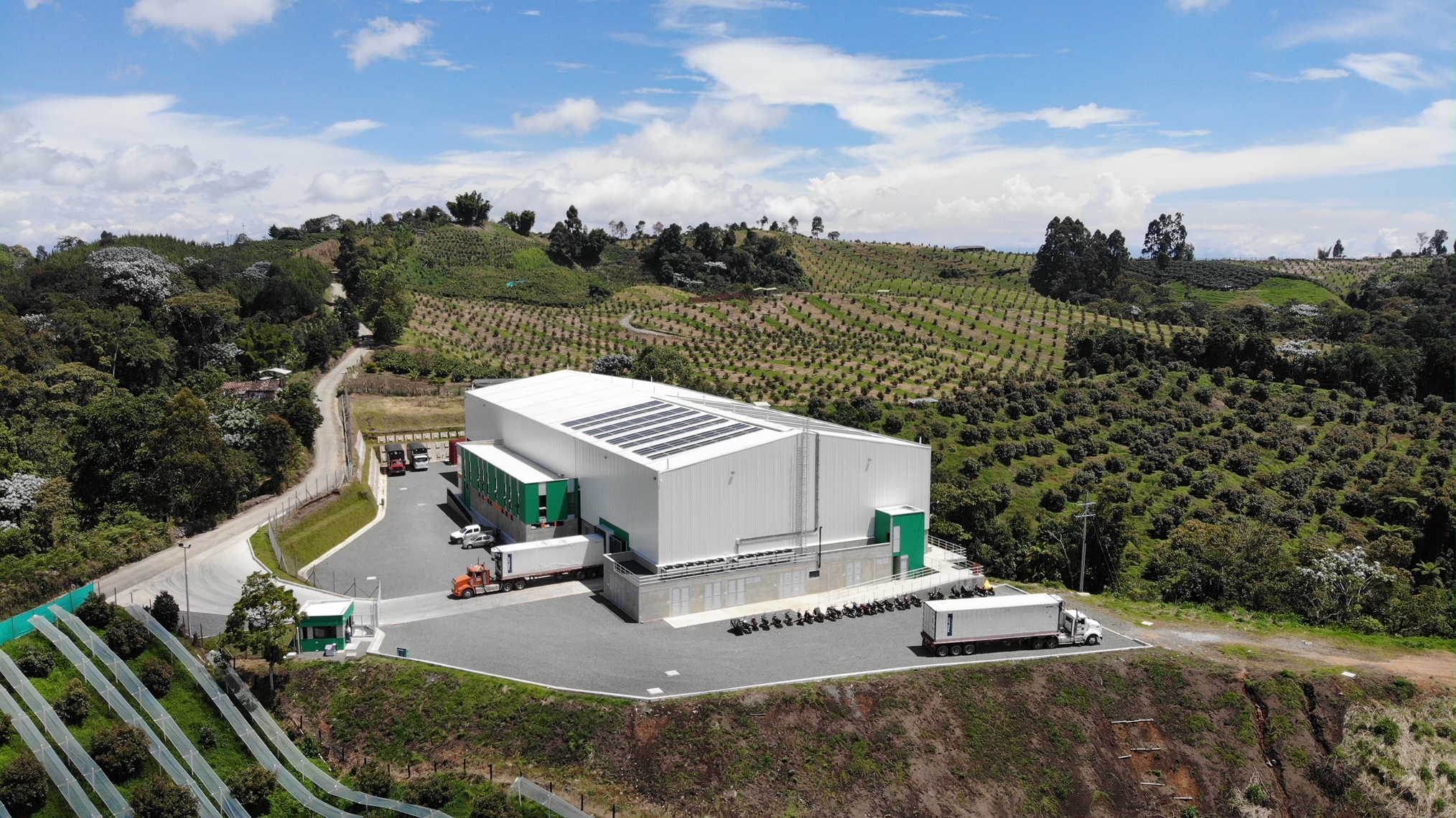
Currently, the company is able to ship 800 containers of avocados annually to the international market, including both its own fruit and contract packing. Initially, it outsourced packing, but since 2019, it has operated its own packing facility, partnering with Aguacates Gourmet, a producer with farms in El Peñol and Sonson, Antioquia. This has allowed it to expand its network of farms across different regions of Colombia and incorporate the production of other farmers, managing the entire supply chain.
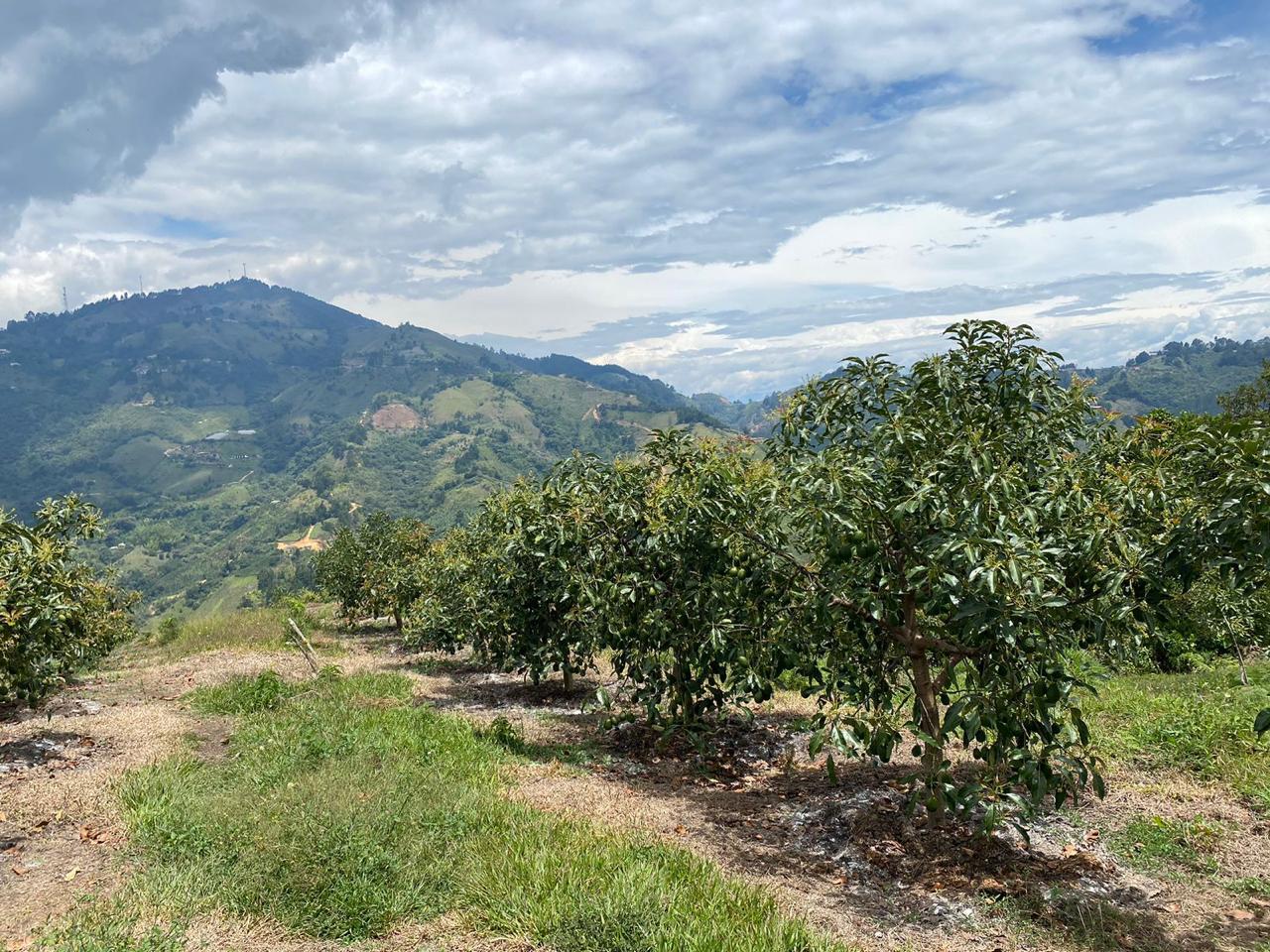
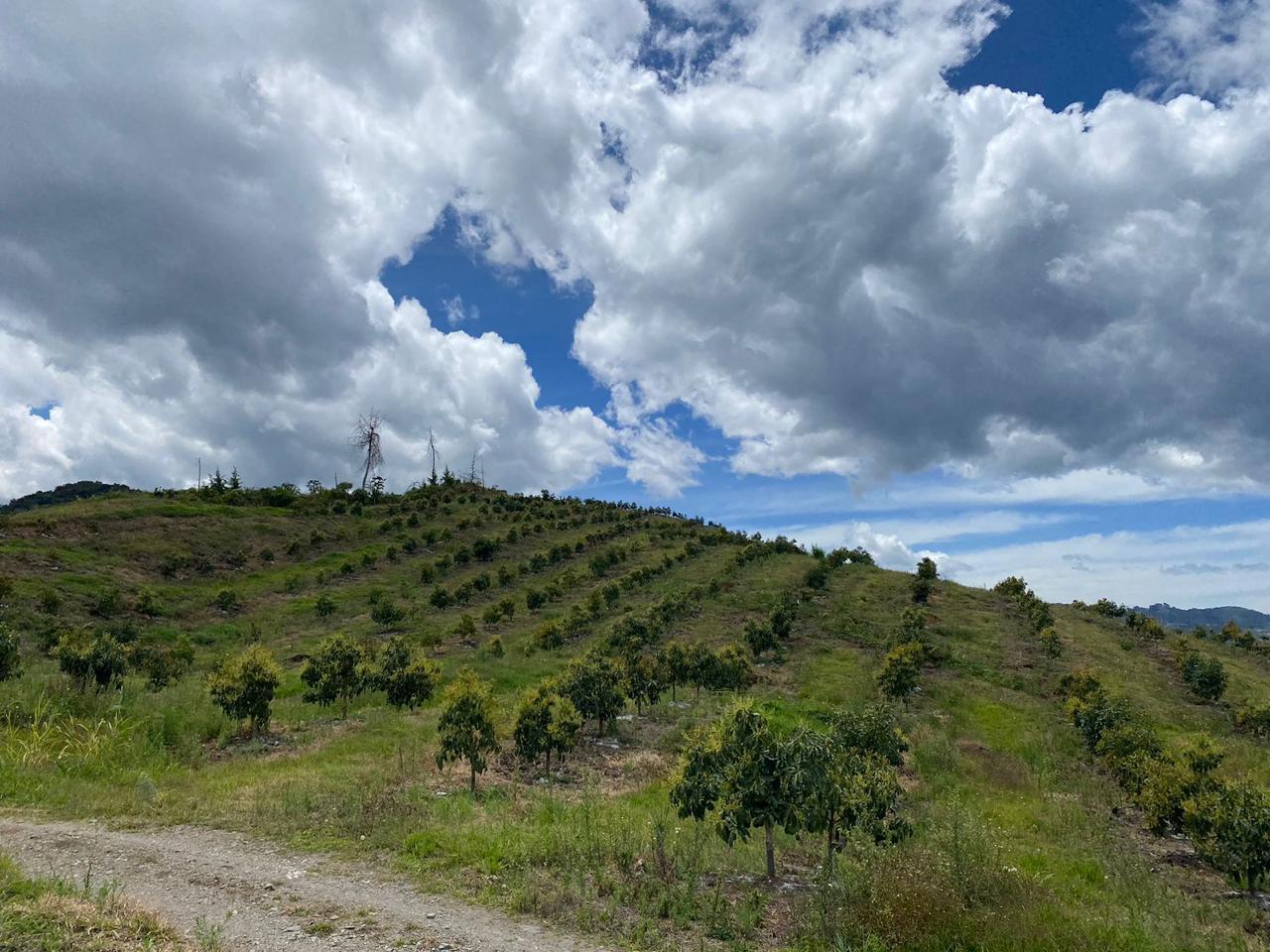
The company's productive farms are strategically located in various regions of Colombia to take advantage of the optimal conditions for avocado cultivation. The farm where Fruty Green originated, known as El Cebadero, is located in El Retiro, Antioquia, 40 minutes from Medellín. In addition to the farm, San Francisca, located in the same municipality, the company has a project in Fredonia, also in the Antioquia region, with other partners, called Fruty Green El Silencio. In the Risaralda region, Fruty Green owns two farms: one in Guática and the other in Quinchía.
In this conversation with Avobook, Ricardo Mejía tells us about the evolution of Fruty Green, the challenges and achievements in exporting avocados from Colombia, and the attractive projections for the future, which - he predicts - could have his country sending avocados in equal parts to Europe and the United States in no more than three years.
- What position does Fruty Green hold among Colombian avocado exporters?
Fruty Green Packing is currently the third or fourth largest avocado exporter in Colombia. Cartama holds the top spot with approximately 24% of the market. Westfalia, Jardín Exotics, and Fruty Green are ranked second, third, and fourth, with a market share of around 8%. Other companies are also in the top five, but that's roughly our current position.
- How have you diversified your fruit shipments to international markets?
“Three or four years ago, our shipments were almost exclusively to Europe. However, in the last two years, the United States has become much more important in our market mix , especially during our mid-year off-season. During the off-season, which runs from April to August, approximately 85-90% of our shipments go to the United States and 10-15% to Europe. In contrast, during the main season, which runs from September to February, 90% goes to Europe and 10% to the United States. On an annual basis, approximately 75% of our shipments go to Europe and 25% to the United States.”
According to Ricardo Mejía, Fruty Green's first export to the United States was around 2021. The protocol to export to that country was signed in 2019, but while they were certifying the farms and developing the commercial management, it took some time before they could start exporting in significant quantities.
“This campaign that is ending has seen significant growth in our exports to the United States, and we have noticed that other exporting colleagues have also increased their shipments to that market,” he explains.
- Adding up all the actors in Colombia, is there any indicator of how much is being sent to the United States compared to what is sent to Europe?
“This seasonal shift will result in approximately 80% of Colombian shipments going to the United States and 20% to Europe. This trend is repeating itself, and an increasing percentage of the main campaign is also being destined for the United States. The United States is definitely a more natural market for us due to its proximity, but Europe remains a very important market for Colombia, with clients and supermarkets that already handle our fruit very well.”
Challenges for Colombian avocado exports
Colombian avocados face significant challenges in agronomic management, considering that their production takes place in a tropical climate, which offers benefits in terms of flavor, but also complications due to the high volume of rainfall and pests.
Therefore, Mejía points out that "one of the biggest challenges has been dealing with the pests and diseases that affect avocado crops."
“In Colombia, we have great biodiversity, which means there are many pests and diseases that can affect our crops. To address this, we have implemented integrated pest management programs and work closely with plant health experts to ensure our crops remain healthy,” he explains.
Another challenge is posed by the roads along which the first journey of Colombian fruit to the ports is made.
- What impact has road infrastructure had on avocado export logistics?
“One of the biggest challenges we face in Colombia is logistics. We have a very favorable situation for maritime transport, but a very complex one for land transport. Avocado production areas are far from the ports, and our roads are not in very good condition. This affects transport times. We are working on improving our own internal routes and collaborating with the government to advocate for improvements in road infrastructure that will benefit all exporters.”
- And in agronomic terms, how do you handle the fruit to ensure its quality?
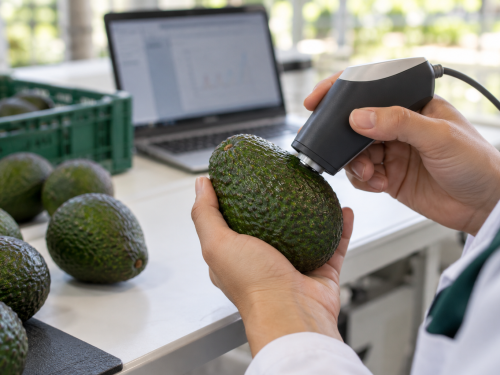
“To improve fruit quality, we have worked extensively in the fields on phytosanitary control and nutrition to ensure the fruit can withstand shelf life and arrives in good condition. Furthermore, we handle all shipments in controlled atmosphere containers and transport the fruit from the farm to the packing facility at night to avoid high temperatures.”
- Given these particular conditions, have you had to train the receivers to handle Colombian fruit properly?
“Indeed. The real success has been that the receivers have understood that the ripening process of Colombian fruit is different from that of other countries like Chile and Peru. The large receivers and our most important clients already know how to handle Colombian fruit, adjusting the temperature settings and the percentage of ethylene in the ripening chambers. They know that Colombian fruit needs to be moved quickly because its shelf life is shorter.”
Projection of Colombian avocado exports
- What is your projection for the future of Fruty Green and Colombian avocados in the international market?
“Colombian avocados are expected to continue growing in the US market, with projections indicating that 80% of Colombian avocado exports will go to the United States during the April-August transit period. Over the next two to three years, it is estimated that exports to the United States could equal or surpass those to Europe, with a projected 50-50 balance between shipments to the US and Europe.”
- How do you see the current season compared to previous ones, and what is your projection for the end of 2024?
“The current season has been quite interesting. We've had a relatively quiet off-season in terms of prices. Our fruit has performed better in the United States due to distance and other factors, and overall, prices have remained at very good levels. Therefore, it's been a somewhat atypical off-season, as off-seasons are usually characterized by lower prices. For the main campaign, which begins in September and runs through February, the projections are very positive, not only in Colombia but across the entire industry. CorpoHass estimates that growth by the end of 2024 could be around 20% compared to the previous year, although it's important to wait and see how everything ultimately unfolds. A strong campaign is definitely expected starting in September, with a potential peak between November, December, and January.”
- Compared to other avocado-producing countries, such as Peru, Mexico, or Chile, which have faced weather events that have affected their volumes, how has Colombia managed to maintain an upward trend in its exports?
“It’s important to understand that growth in exports doesn’t always reflect an increase in production per hectare. In Colombia, we face several challenges, just like our other sister countries, especially those related to crops that have been in production for more than 10 or 15 years. Crops tend to experience a decline in productivity starting in the eighth or ninth year. We have learned to manage this decline through techniques such as replanting with clonal trees, which have proven to be more efficient than conventional trees. In addition, we are renewing old trees using techniques like stumping, which involves letting the tree go unproduced for 18 months or even two years, but which ultimately contributes to improving the quality of the harvest.”
- How has the production per hectare performed?
“Although yields per hectare are not exceptional (approximately 20-25% lower compared to previous years), the introduction of new crops is driving increased production. In this sense, we are beginning to see an upward trend in our yield potential. However, weather events have affected flowering and, consequently, production on the farms.”
- What changes and improvements are being implemented in Colombia to improve its position in the United States, Europe, and new markets?
“Colombia is gaining significant ground in Europe and the United States. I believe Chile could also become a relevant market for us. Between January and February, when the Chilean harvest is ending and we still have a good supply, there's an interesting window of opportunity. However, competing on price with Chile and Europe can be complex, but it's possible. In terms of logistics, there are ongoing construction projects that will significantly improve our situation. The construction of ports and improvements to roads, which will facilitate transport from the packing plants to the ports, are important steps forward. These infrastructure improvements will strengthen our ability to compete in the global market. Furthermore, we've learned a great deal about our fields, the appropriate plant material to plant, and the need to renew crops to be more productive. This knowledge is essential to address the biggest challenges we currently face in the sector.”