“In five years we will have a much larger volume of avocados to offer to markets from Brazil.”
Cecilia Whately, director and owner of the avocado producer Carlini Avocado in São Paulo and vice president of the Brazilian Avocado Producers Association, shares with Avobook her vision on the future of her industry in the international and local market, highlighting the growth expected for the next five years.
Cecilia Whately is the owner and director of Carlini Avocado, a Brazilian avocado producer, packer, and exporter located in the state of São Paulo. Founded in 1928 by her grandfather, the company began with coffee cultivation and cattle ranching on the family farm before diversifying into avocado production, which now accounts for almost 85% of the company.
Although some believe that “Carlini” takes its name from a member of the company, it actually originates from the name of Cecilia's father, Carlos Whately. She explains it herself, recalling a recent anecdote: “The other day an Italian man called me and said, ‘I didn’t know I had Carlini family. I’m Carlini from Florence, Italy.’ I replied, ‘No, no, not here. We’re not Carlini. We’re Whately. They called my father Carlini affectionately, because it’s a diminutive of Carlos.’”
His father dedicated his entire life to the company. He worked actively until he was 90, but continued to be an inspiring and encouraging presence until his passing at the age of 95.
“Now he would be proud of how much we have grown, because his dream was always to transform the business into a vertically integrated and modern operation,” Cecilia says.
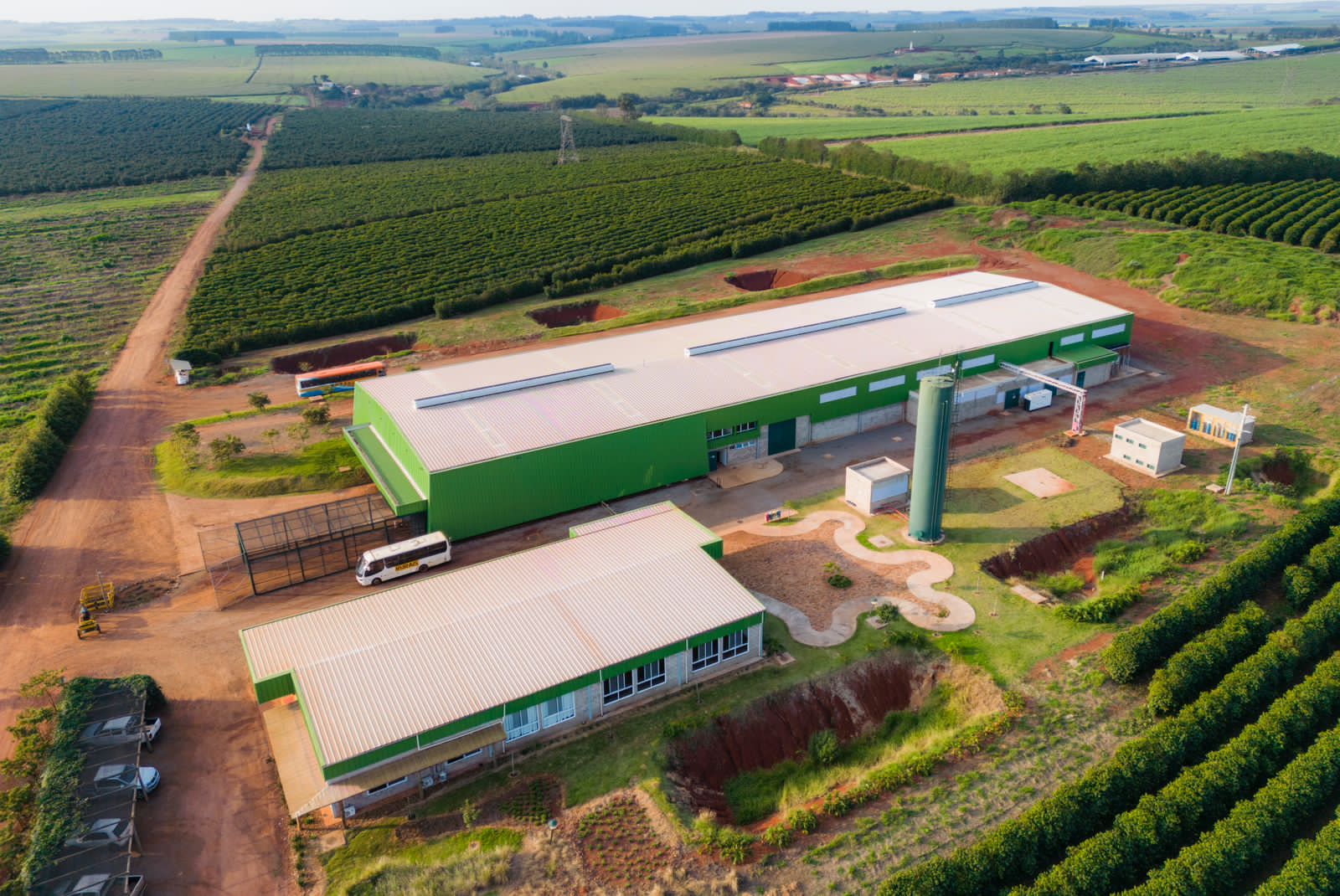
This was realized with the construction of the packing facility in 2020 and the management of the entire business cycle, from seed to export, an achievement that the family celebrates as a testament to Carlos' legacy and vision.
Carlini Avocado in the world of avocados
That legacy, Cecilia's leadership, and the commitment of the workers have the company exporting avocados to Europe and Latin America. In 2023, it shipped approximately 300 containers to European markets, including the European Union and the United Kingdom, as well as to neighboring countries like Argentina and Uruguay.
Due to a drop in production caused by weather conditions, the expected export volume for 2024 is estimated at around 250 containers. They are now preparing to enter the Chilean market as soon as Brazilian fruit imports are permitted.
“We believe that next year, during the Brazilian harvest (late summer or early autumn harvest), we will be able to ship,” predicts Cecilia Whately.
Her conviction that avocados have great potential for her country has led her to serve for a year as director and vice president of the Brazilian Avocado Producers Association, where she supports the promotion of domestic consumption and export of the fruit, especially the Hass variety.
From that perspective, he talks to Avobook about business projections and opportunities.
Windows for the Hass avocado from Brazil
Brazil began exporting avocados about 30 years ago, but initially in very small volumes.
Cecilia Whately acknowledges that the international market did not see her country as a major producer, but warns that this will change: “Before, if you looked at the chart of exporters, we didn't even appear. Now we do, with very little, but we are present with 1% or 2%.”
In recent years, a phenomenon has emerged that is changing things: the migration of citrus producers to avocados and the interest that the good returns of the Hass variety business have aroused in several farmers worldwide.
“We are witnessing a migration of citrus producers to avocados, who saw avocados as a viable option because they thrive in markets they are familiar with. This shift has been driven by difficulties in citrus production, which has faced health problems and adverse conditions very similar to those experienced by farmers in the United States, leading producers to seek more profitable and sustainable alternatives in avocado cultivation,” he explains.
- What is the best export window for Brazil?
“We export mainly between February and June, seeking to take advantage of the best price conditions before Peruvian production enters the market. This strategy helps us obtain better prices and optimize our window of opportunity.”
- How long does the boat trip take for fruit from Brazil to Europe?
“We have an 18-day logistics lead time to the port of Algeciras (Spain). It takes 23 or 24 days to reach the Netherlands, but that can increase to 40 days, depending on what happens with the ships along the way. Although Spain is the closest option, we tend to go to the Netherlands because it is an important distribution center for our fruit.”
- We imagine that importers have had to learn how to handle fruit from Brazil, because they know quite a bit about fruit from Chile and Peru, but the characteristics of Brazil are special.
“European importers are now looking at many origins. Colombia is also a source that has grown significantly in recent years. Peru grew earlier and very quickly. What we hear a lot is that it's not easy for importers because there are year-round weather conditions that greatly affect the quality of the fruit. So, some avocados arrive ready, while others take longer or have ripening problems. Since Brazil has become more active in the market, there's more interest in learning about our fruit. We have importers visiting the farms and understanding our production process. This exchange of information is very important.”
- What percentage of Hass avocados are exported?
“Practically 95% of Hass avocados are exported. We are working to increase domestic consumption through marketing and promotional campaigns, especially in large cities like São Paulo, which has 20 million inhabitants. Currently, per capita consumption of Hass avocados in Brazil is one and a half to two kilos per year. Any percentage increase would represent a tremendous leap in numbers. That is why the Association is working on developing a domestic market.”
The future of avocados in Brazil and beyond
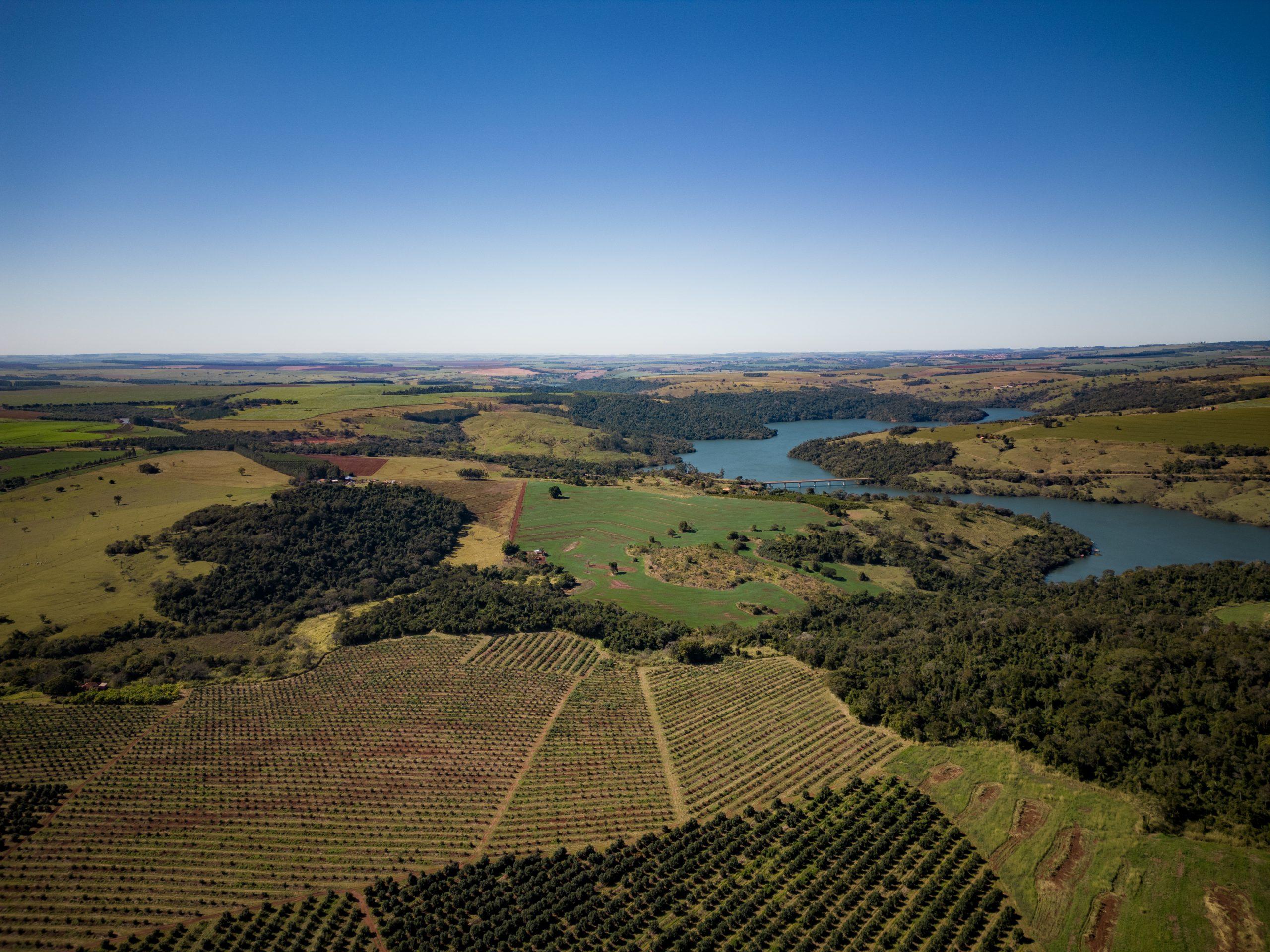
Although currently the presence of Brazilian avocados in Europe does not represent more than 2% of that market, an exponential leap is projected, considering the number of new crops being developed in Sao Paulo and its surroundings, which will reach maturity within the next five years.
- What is the annual volume of avocado exports from Brazil?
“This year it was something like 19,000 tons. Last year it was a little more, because this year was low production. A lot of it went to Argentina and Uruguay, because we had slightly smaller avocados due to the weather. Argentina already has a culture of smaller fruit, because Chile was already sending smaller sizes. For this reason, this year there was more avocado production than usual for Argentina. Normally, most of it is consumed in Europe.”
- What are the projections for next season? Will you be looking to continue growing in Argentina or do you want to grow in both markets?
“Growth in both. As we have shown, there will now be better-sized fruits; it is the European market that consumes this fruit. But we are here, very close to Argentina, where marketing is very easy.”
- Considering the trees that are beginning their mass production, how is the growth in fruit volume projected for the coming years?
“Each year there will be more volume. Since we know there are a large number of consumers, we have many new plantations, some one year old, some two, and others approaching their third. At five years old, we have a mature tree, which is when it will reach its full potential. In the association, we have approximately 34 members. But there are more than 200 avocado producers in Brazil who are not members. We are working to connect them, understand the market, and position ourselves for domestic sales and exports.”
- Considering that increase in production, how will you manage to place your fruit in the markets?
“We need to break into the international market, but also in Brazil. That's why the Association is doing so much to develop Hass avocado consumption within the country. We have very small consumption levels, but the potential market is huge. So, if we manage to increase per capita consumption by 500 or 800 grams, we'll be in good shape. We also have another focus on the technical aspects. We hold many field days. And an important focus is sustainability. We believe we have many advantages in Brazil. We need little chemical intervention to produce, and we practice integrated pest management. We want to show those who are producing citrus fruits that this is different: avocados are a fruit that requires work, a lot of pruning, a lot of care, but we can do it in a sustainable way.”
- What characteristics will the fruit from young trees have?
“Brazilian fruits are very flavorful because we have heat, rain, and they grow in strong, very rich soils. In addition, we reach 17% oil content at the end of the harvest.”
Productive areas and climatic conditions
The Vice President of the Association explains that avocado production areas are expanding in western Paulista, on the southern border.
“We have regions near São Paulo like Limeira and Cordeirópolis, further inland. We also have the state of Paraná, which is the border a little further west, towards Minas Gerais,” he explains.
- What qualities do those areas have?
“In São Paulo we have many climates, because it is a large state. There is very well distributed rainfall throughout the year, rich, iron-rich soils. They are not very high, between 400 and 900 meters. So, it is a production that starts more or less in February and can last until May, June.”
- Aren't the rains a problem due to excess, as in other tropical areas?
“The rain is very well distributed. It's always present during the summer, so December, January, and February are the months with the highest rainfall. The rains usually end in March. April and May are dry, as is June. There's less rain in July and August. It starts again in September. There are other states in Brazil, like Minas Gerais, where we have rain for half the year, in the summer, and then it's dry in the winter, as if there were two seasons, not four. In Paraná, which is also a major rainforest, it's very similar to São Paulo, with well-distributed rainfall.”