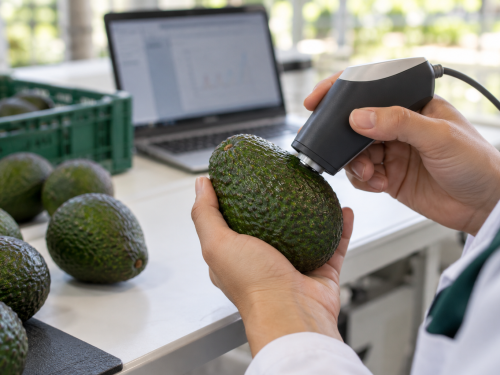
"The port of Chancay will improve the competitiveness of Peruvian avocados"
This was stated to Avonews by José Antonio Castro, president of the Association of Hass Avocado Producers and Exporters of Peru (ProHass), who explained that the weather conditions did not affect production and that they will recover their volumes and sizes by 2025.
Just as Mexico exerts a strong influence on the North American avocado market, Peru does the same in the European market. 2024 saw a drop in total export volume that impacted the market, but it also opened the door for players who were able to fill the gap with their shipments. For this reason, South American, Mediterranean, and African suppliers are eagerly awaiting the performance of avocado production in 2025.
A few weeks ago, agronomist Alfredo Lira told Avonews that weather conditions did not impact the fields as they did the previous season, projecting a recovery of at least 10% compared to the volumes exported in 2024. He also envisions a better distribution of the fruit, without high concentrations in short periods of time.
See: https://agraria.pe/noticias/las-7-claves-de-la-proxima-temporada-de-exportaciones-de-pal-38121
Avonews spoke with José Antonio Castro, president of the Association of Hass Avocado Producers and Exporters (ProHass) of Peru, who agrees that 2025 will bring a normalization of avocado shipments from that country to all its markets, particularly to Europe, its main destination.
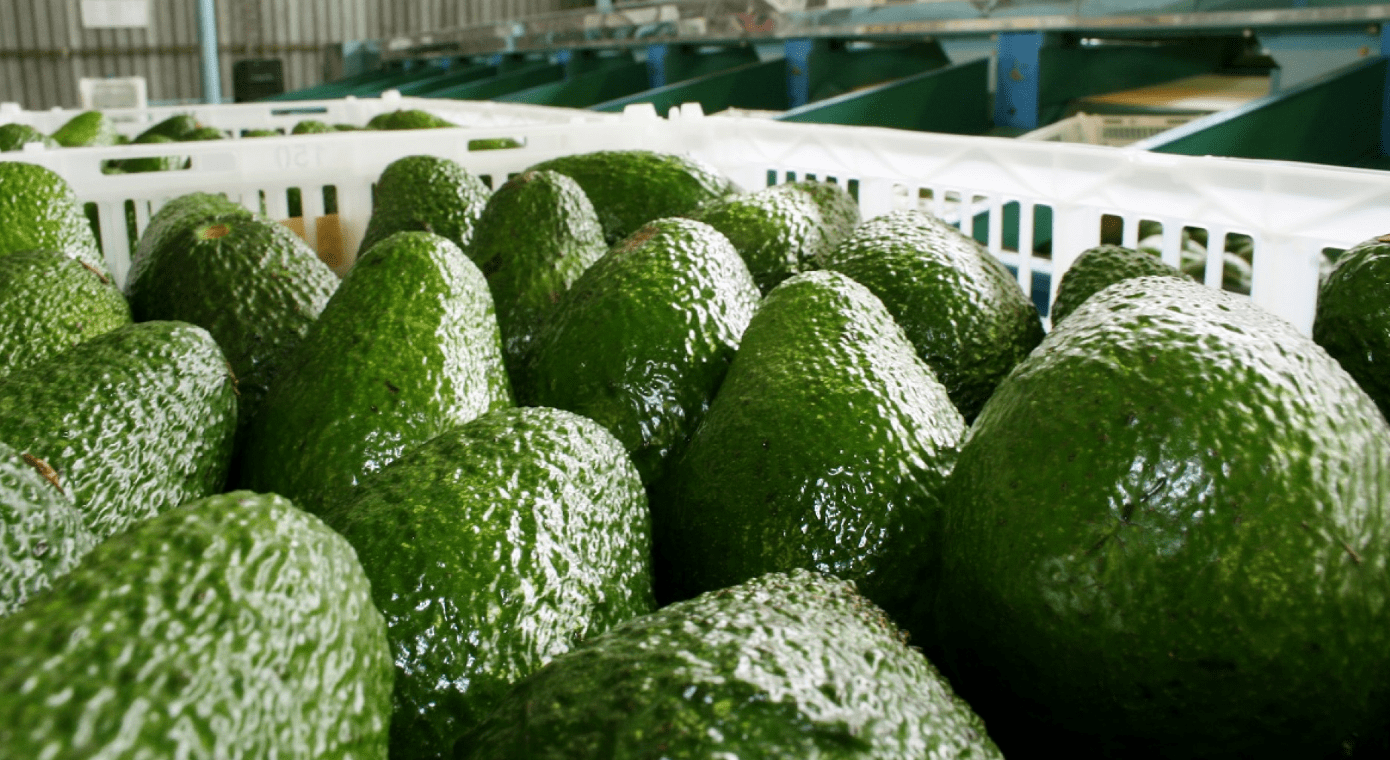
Currently, the organization has 204 member producers, representing 40% of the total volume exported from Peru. The remaining 60% is handled by another 300 companies. According to Castro, one of the main differences between last season and the one that is starting is that the climatic factors, which impacted past production, have stabilized.
“Climate conditions are normalizing in the main avocado-producing areas of Peru. This leads us to believe that the 10% drop in 2024 will be recovered, and we may even see significant growth in 2025,” predicts the president of ProHass. Although he prefers not to commit to specific figures, he notes that the projection of fruit shipments is worked on in collaboration with his associates and other Hass producers and exporters, warning that the development of the first months of harvest must be awaited.
“Every year, ProHass works very professionally to consolidate information and share projected volumes for the industry and by destination with all stakeholders. This information can be compiled after the natural fruit drop, which occurs mainly during the months of January to March,” he explains.
However, he points out that the focus will once again be on Europe, noting that the distribution of Peruvian exports in recent years has been as follows: 62% to Europe; 13% to the United States; 12% to neighboring Chile; 7% to China; and 2% to Japan. The remainder is distributed among various other markets.
Prioritize quality above all else
One of the organization's goals is to ensure that fruit is shipped when conditions are optimal for its arrival in good condition. In fact, according to Avobook data, shipments in week 4 were 53% lower than those for the same period in 2024, which could be due to the need to wait for the ripening process to guarantee quality.
When asked about a possible early start to the campaign, José Antonio Castro is clear: quality must be prioritized above all else.
“At ProHass, we want to raise awareness among all producers, exporters, importers, and authorities so that we can join forces to export physiologically mature avocados. This starts with having a dry matter content above 21.5%, and ideally, we can begin our harvests with a dry matter content of no less than 22.5%. This would help us deliver a higher quality avocado,” says the president of the Peruvian avocado growers' association. Castro does not believe there will be any surprises in the distribution of fruit throughout the year, compared to the peak shipments that usually occur: "The production and export curve has a fairly well-known behavior, where the largest volumes are exported in the weeks of June and July."
Castro does not believe there will be any surprises in the distribution of fruit throughout the year, compared to the peak shipments that usually occur: "The production and export curve has a fairly well-known behavior, where the largest volumes are exported in the weeks of June and July."
Cosco Chancay: a port that will improve its competitiveness
Where changes are expected is in the improvement of the competitiveness of Peruvian fruit, especially in eastern markets, due to the opening of the port of Chancay, which responds to a demand for infrastructure that has been present for some time among agricultural exporters, who have assumed the cost of that gap.
“The country’s infrastructure deficit has been on the government’s agenda for decades, and despite this, the Peruvian economy, and agricultural exports in particular, have managed to grow, despite having some of the highest operational logistics costs in the region. The port of Chancay is now a reality and will greatly help us become more competitive in terms of logistics costs, have more frequent and better shipping services, and shorter transit times, especially to Asian markets. It will be a great opportunity for all agricultural products, and of course for Peruvian avocados,” he explains.
This allows ProHass to continue exploring, promoting, and consolidating new markets.
In terms of sizes, the industry expects a recovery to the usual industry volumes.
“This requires two basic conditions: a greater number of fruits per tree and greater weight per fruit, which impacts the size. This year, Peru should recover its typical range of sizes, that is, fruits between 225 and 285 grams,” Castro predicts.