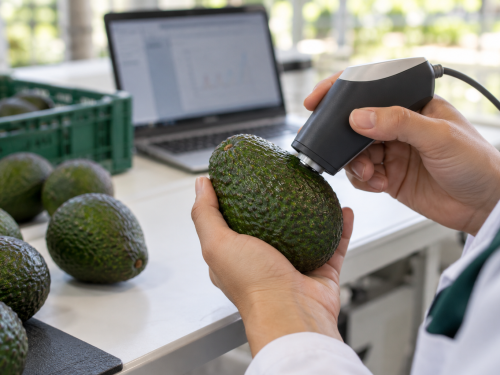
The collective process that built the foundation of the Hass avocado in Ecuador: Marcelo Reinoso's vision and legacy
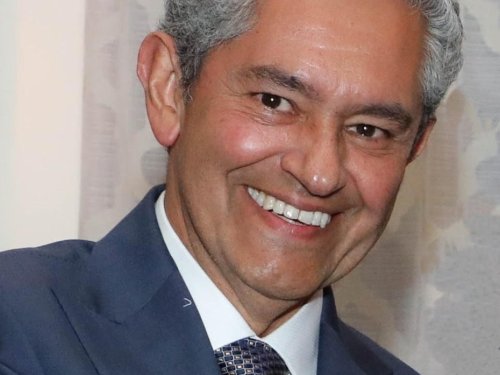
An agronomist, one of the pioneers of Hass avocado cultivation in Ecuador, and a key figure in connecting producers, industry associations, and the government, Marcelo Reinoso has dedicated more than forty years to building an industry that now seeks to consolidate its position on the world stage. His technical, social, and industry leadership has shaped the course of avocado cultivation in the country, driven by a central conviction: Ecuadorian quality can compete with major global producers.
For more than four decades, Marcelo Reinoso has been one of the most consistent and influential voices in Ecuadorian fruit growing. An agronomist specializing in fruit trees, his career began in the 1980s, when the country's agriculture was still focused on traditional products like bananas, coffee, and cacao. Through PROEXAN—the Non-Traditional Agricultural Promotions project—Reinoso worked on diversifying production and introducing new varieties. Unbeknownst to him, he was embarking on a path that would make him a pioneer of Hass avocado cultivation in Ecuador.
“My story with avocados begins between 1984 and 1985,” he recalls. At that time, his work focused on deciduous fruit trees in the northern part of the country. Simultaneously, the Fuerte avocado, the traditional variety for local consumption, was being developed, with commercial plantations that in some cases are over fifty years old and are part of Ecuador's agricultural history. But the Hass avocado was not yet on the national agenda.
Everything changed when economist Mauricio Dávalos first introduced the Hass variety to Ecuador. That foundational gesture would be the seed of a process that would take decades to consolidate.
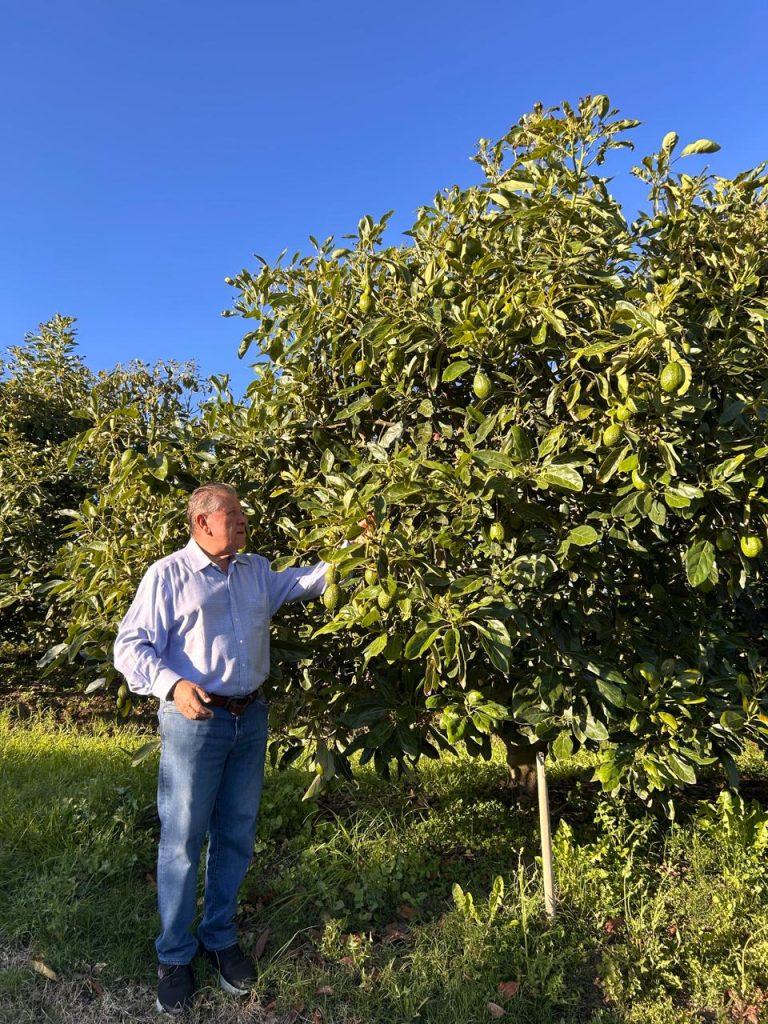
Reinoso was part of that initial push, along with early figures like Robert A. Flick, founder of AsoAguacate and first president of CorpoAguacate. Later, Reinoso became a co-founder of CorpoAguacate with other producers and its second president, re-elected, leading a decisive phase for institutional strengthening. “We virtually started with promotion, technology, government relations, and the first technical meetings. It was a long journey,” he says. Under that structure, the first technical foundations of the crop were disseminated, and a formal dialogue was initiated with the government to position Hass avocados as a strategic opportunity for Ecuador.
His own production project began 18 years ago when he acquired the El Paraíso farm in Imbabura, where he established a cultivation model and a training center that is now a benchmark for farmers throughout the country. “We have received hundreds of producers who come to learn about new technologies and receive guidance on the technical management of the crop,” he explains. This approach—organized, technical, and social—has been one of the pillars of his vision.
The consolidation of Hass avocados in Ecuador took time. Currently, the country has approximately 3,000 hectares of this variety, within a total of 8,500 to 9,000 hectares of avocados. These figures are not comparable to those of Peru or Colombia, but they reflect sustained growth that began to accelerate in 2017, the year Ecuador made its first Hass exports to Europe, primarily Spain.
The agricultural sector also took a leap forward with the creation of the Northern Ecuador Fruit Growers Federation, which brings together nearly twenty associations. More than half of its members are avocado producers. This structure has been key to engaging with the government and accessing public programs. One of the milestones was the declaration of avocado as a priority crop during Guillermo Lasso's administration, with a development target of 10,000 hectares. The plan was ultimately not implemented due to the "mutual dissolution" of the government, but it established a framework for future work.
Today, Corpo Aguacate and the Federation continue to drive the sector forward with active leadership and clear goals: quality, traceability, certification, and the orderly expansion of the production area. The immediate objective is to achieve full access to the U.S. market. “This year, 2025, we expect the USDA-APHIS mission for the final steps of the protocol. What interests us is generating an organized industry and producing the highest quality fruit,” he states.
Technology, territory and family: the comprehensive vision for market growth
Reinoso insists that Ecuador's export window—from November to April—is a strategic advantage. The inter-Andean valleys, between 1,200 and 2,600 meters, offer unique conditions: moderate temperatures, pronounced climatic deltas, and loamy soils. This temperature contrast between day and night, he explains, "affects the concentration of oils, the flavor, and even the aroma of the fruit." The market has noticed. "The quality of Ecuadorian avocados has attracted attention. They do find significant differences compared to other producing countries."
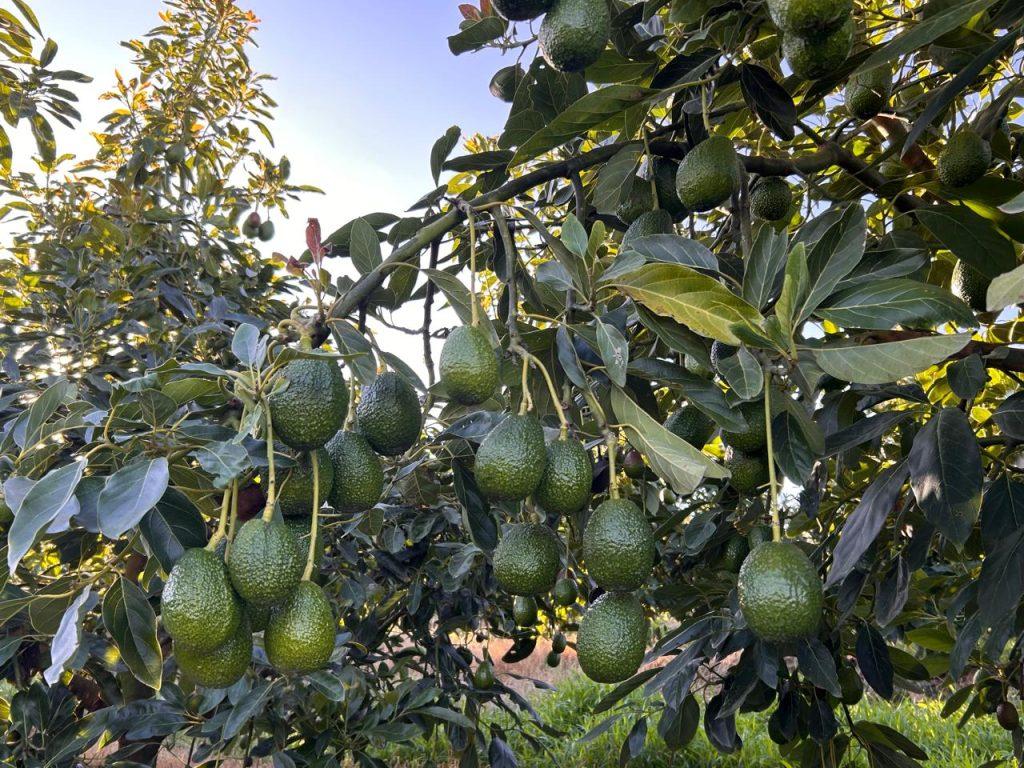
At a technical level, Ecuador is moving towards more specialized nurseries, modern irrigation systems, and planting densities that allow for production as early as the second year. National projections are ambitious: to exceed 35,000 hectares in the Andean region and, in the long term, reach a potential of 60,000 hectares nationwide.
But for Reinoso, the impact of the Hass avocado goes beyond agronomy. His vision is profoundly social. “Avocado farming generates family stability and prevents young people from migrating,” he maintains. The federation has supported entire communities, such as Intag and Tumbaviro, in their transition to technologically advanced farming. Today, many of these families are already exporting directly. “Our goal is for producers to grow hand in hand with technology, technical support, and training.”
This work has also sparked international interest. Companies like Westfalia and Agricom have visited Ecuador to assess the quality of Hass avocados produced in the highlands and explore investment opportunities. The country offers unique agro-ecological conditions and a compatible growing season for the global supply chain. This attention reinforces a larger goal: to build a national quality seal. “We want to define an Ecuadorian quality identity in the international market,” he states.
However, challenges remain: improving access to credit, reducing interest rates above 16%, advancing health protocols, and supporting small producers. But Reinoso remains steadfast in his conviction. “I’m passionate about this crop. There’s a great opportunity for Ecuadorian producers,” he says.
After so many years, its momentum hasn't waned. It has transformed into a cause that combines technology, land, families, and the future. “We will continue working hand in hand with Corpo Aguacate, the Federation, and the associations. This is just the beginning,” he concludes.