The unstoppable growth of Peruvian avocados: projections and challenges to 2030
Peru is consolidating its position as the world's second largest producer of Hass avocados and projects reaching one billion kilos by 2030. Europe continues to lead exports, while the country faces challenges related to quality and market diversification.
During the webinar “Peruvian Agro-exports 2024,” organized by Fluctuante, ProHass General Manager Arturo Medina analyzed the present and future of the avocado industry in Peru. With 77,000 hectares under cultivation, the country ranks as the world's second-largest producer, second only to Mexico. Although the growth in cultivated area has been moderate in recent years, production continues to increase, driven by new production areas in the highlands and 10,000 hectares that are not yet in production.
In 2024, Peru exported 503,000 tons of Hass avocados with an average yield of 10 tons per hectare, although some companies achieve up to 37 tons. Projections are optimistic: the sector expects 20% growth this year and estimates reaching one billion kilos by 2030. However, Medina warns that the country must prepare to manage this volume with clear market strategies.
Exports and key markets
Europe remains the primary destination for Peruvian avocados, accounting for 62% of exports over the past three years. In 2024, favorable prices in Europe prompted exporters to prioritize this market, reducing shipments to Asia (-29%) and the United States (-11%). China, in particular, experienced a 28% decline due to quality issues related to dry matter content.
The United States presents a challenge, with Mexico dominating 80% of the market and Peru holding only a 5% share. However, the country is working to improve quality in order to gain ground. Meanwhile, markets such as Japan, Thailand, and India are emerging as strategic opportunities to diversify exports.
Challenges and future of the sector
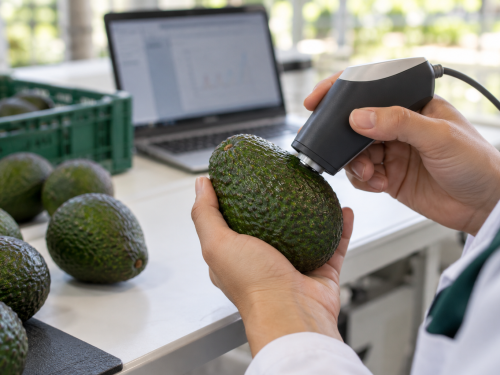
The industry's growth necessitates a focus on quality and differentiation. Medina emphasizes that the key to competing in demanding markets is guaranteeing high dry matter standards. Furthermore, the new Port of Chancay could reduce shipping times, boosting Peruvian competitiveness.
With access to 67 markets and plans to expand into Taiwan, Vietnam, the Philippines, Australia, and New Zealand, the Peruvian avocado industry is poised for sustained growth. However, its success will depend on smart strategies to balance production, quality, and diversification of export destinations.
Source: portalfruticola.com