Ecuador plays its cards to become a Hass avocado powerhouse
Thanks to its Andean valleys, privileged climate, and a well-placed harvest window in the global calendar, Ecuador is emerging as a serious competitor in the global Hass avocado market. The challenge now is to consolidate quality, traceability, and volume, bringing together producers, industry associations, and the government, with the aim of transforming this "green gold" into an engine of rural development.
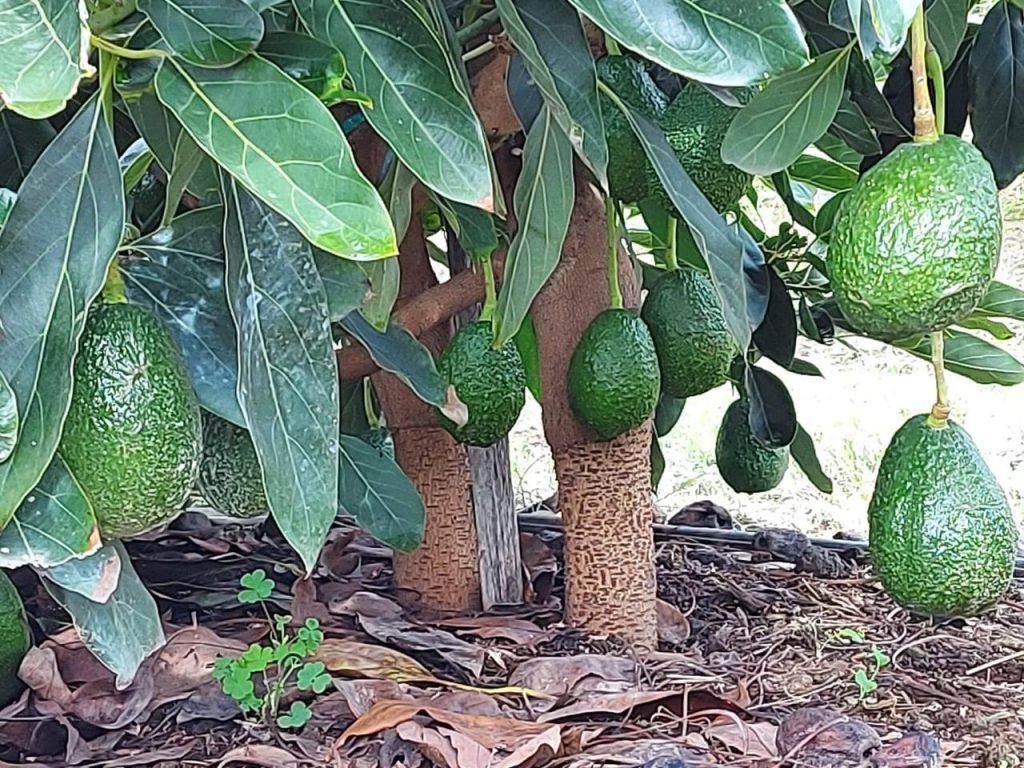
The inter-Andean valleys of Ecuador offer an exceptional ecosystem for Hass avocado cultivation. This is confirmed by the National Institute of Agricultural Research (INIAP), which identifies areas between 1,200 and 2,600 meters above sea level with loamy soils, good water availability, and moderate temperatures as optimal for this fruit. These conditions, the institute notes, favor fruit quality and yield per plant.
This reality coincides with the experience of Marcelo Reinoso, an agronomist and Hass pioneer in the country: “The agroclimatic conditions of the Ecuadorian highlands are ideal. The day-night temperature contrast decisively influences the concentration of oils, the flavor, and even the aroma of the fruit.”
That temperature difference —warm days and cold nights— is one of the features that, according to him, explains why international buyers “find very significant differences” between the Ecuadorian Hass and that of other countries.
This natural advantage is complemented by a critical factor for the global market: the harvest window.
Reinoso explains that in Ecuador, “the fruit season begins in November and extends until March or April,” allowing them to supply markets before Peru—one of the regional giants—begins its peak season. This calendar mismatch represents a direct commercial opportunity.
An industry that is moving forward with quality, traceability, and initial exports
While avocado production has not yet reached the scale of leading countries, official figures show sustained growth. According to Agrocalidad, in 2024 Ecuador exported 2,788 tons of Hass avocados in 168 shipments to 12 destinations, including new markets such as Argentina. The agency believes this performance reflects “a strengthening of the export chain,” especially in provinces like Imbabura, Pichincha, and Carchi.
In terms of planted area, Agrocalidad and reports from the Ministry of Agriculture agree that the country has over 7,000 hectares of avocado, although only about 3,000 correspond to the Hass variety. Reinoso confirms this figure from the producer's perspective: "There must be around three thousand hectares of Hass avocado planted at this time... but the potential is much greater."
That potential is based on a clear strategy: competing on quality, not volume.
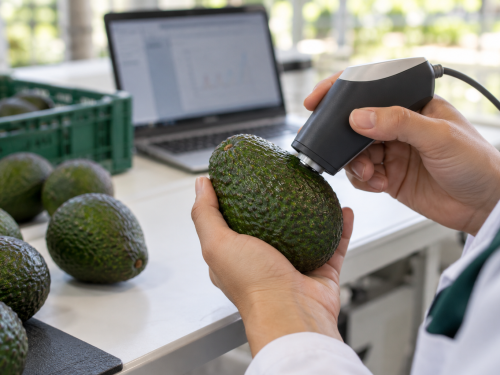
“The goal is to generate organized production with traceability and certification,” Reinoso insists. The associations he belongs to—Corpo Aguacate and the Northern Fruit Growers Federation—have spent a decade promoting technical standards, improved nurseries, and precision agronomic management. The focus, he says, is on avoiding mistakes that could compromise the crop: “We want orderly and technical growth, so that producers aren't disappointed after investing.”
This work has sparked international interest. Companies like Westfalia and Agricom, with a global presence in the sector, have visited the country to assess the potential of Ecuadorian Hass avocados. For Reinoso, this attention is due to a combination of climate, quality, and location:
“We have a prime window and a fruit with unique characteristics. That has sparked the interest of many companies.”
Meanwhile, Ecuador continues to move toward one of its most anticipated milestones: access to the U.S. market. The sector awaits the USDA-APHIS mission that will evaluate farms and packing plants for final approval of the export protocol. According to Reinoso, this step would be fundamental: “Our focus is on the United States. It is our natural market due to distance, logistics, and price.”
Ecuador on the global stage: opportunity and challenge
With its altitude, climate, and a potentially decisive market window, Ecuador is well-positioned for growth in the Hass avocado market. But this growth requires addressing structural challenges: accessible financing, rural modernization, nursery certification, and industry coordination. Reinoso summarizes it clearly:
“If we achieve organized and certified cultivation, Ecuador can compete with the major producers. The opportunity is there.”
The country's recent history in this sector is just beginning, but the fruit of its Andean valleys—renowned for its flavor, oil, and consistency—seems destined to gain ground in demanding markets. Nature has already done its part; now, the Ecuadorian industry faces the challenge of transforming that advantage into a hallmark of quality for the world.