Ecuador begins operations in key North American and Mercosur markets in 2025
Ecuador is preparing for a pivotal year in its entry into the international avocado market. In 2025, the country will take a strategic step by beginning commercial operations in the United States, Canada, and Mercosur countries. According to Santiago Pinto Díaz, President of Interanza, the first exports to the Southern Cone will begin in the first months of the year, while shipments to the U.S. market will commence in the second half of the year.
For Pinto, although Ecuador is still a small player compared to other international producers, such as Morocco, Colombia or Peru, which traditionally focus on Europe, this expansion represents a key diversification opportunity.
"The impact is a matter of diversification. Having new opportunities in markets like North America and the Southern Cone allows us to reduce risks and prevent the organic growth of our volumes from being halted by stronger competition from big players in Europe," explained Pinto Díaz.
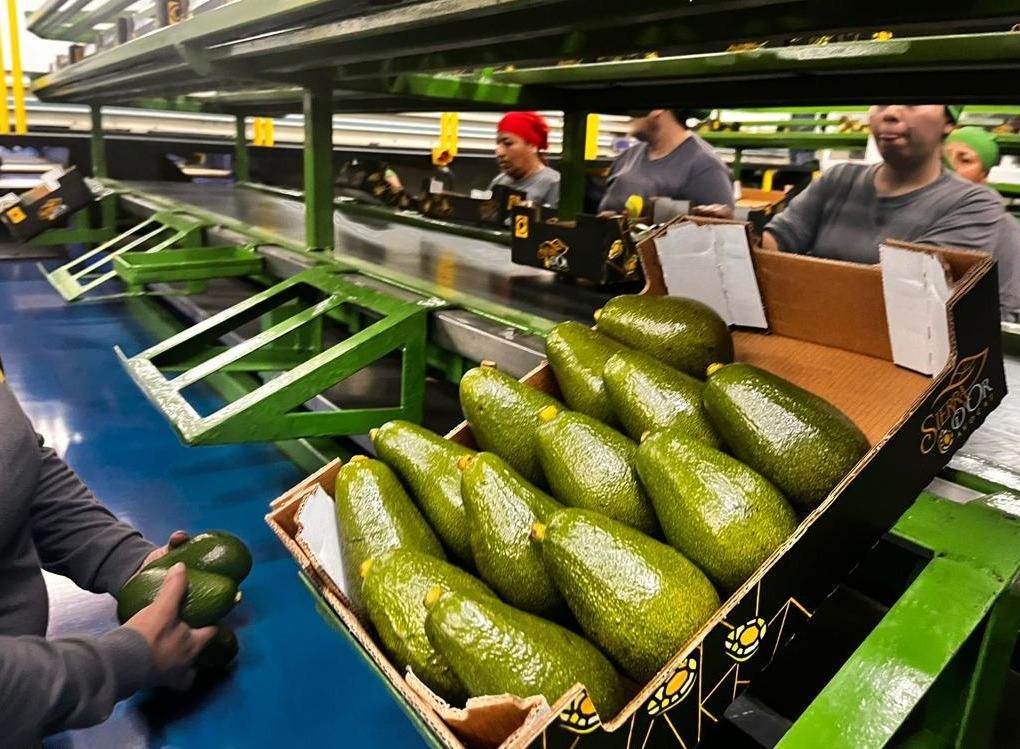
Entering these new markets not only means greater opportunities, but also challenges. “These are obviously new markets, with different phytosanitary protocols and consumers. We have to work on a smart positioning plan that allows us to grow step by step, thanks to a clear differentiation of our products. However, since these are high-demand markets, the challenge will be to scale up volume in the coming seasons,” the executive added.
This move underscores Ecuador's commitment to consolidating its presence in key international markets, betting on diversification as a strategy in the face of increasingly intense global competition.
A growing origin
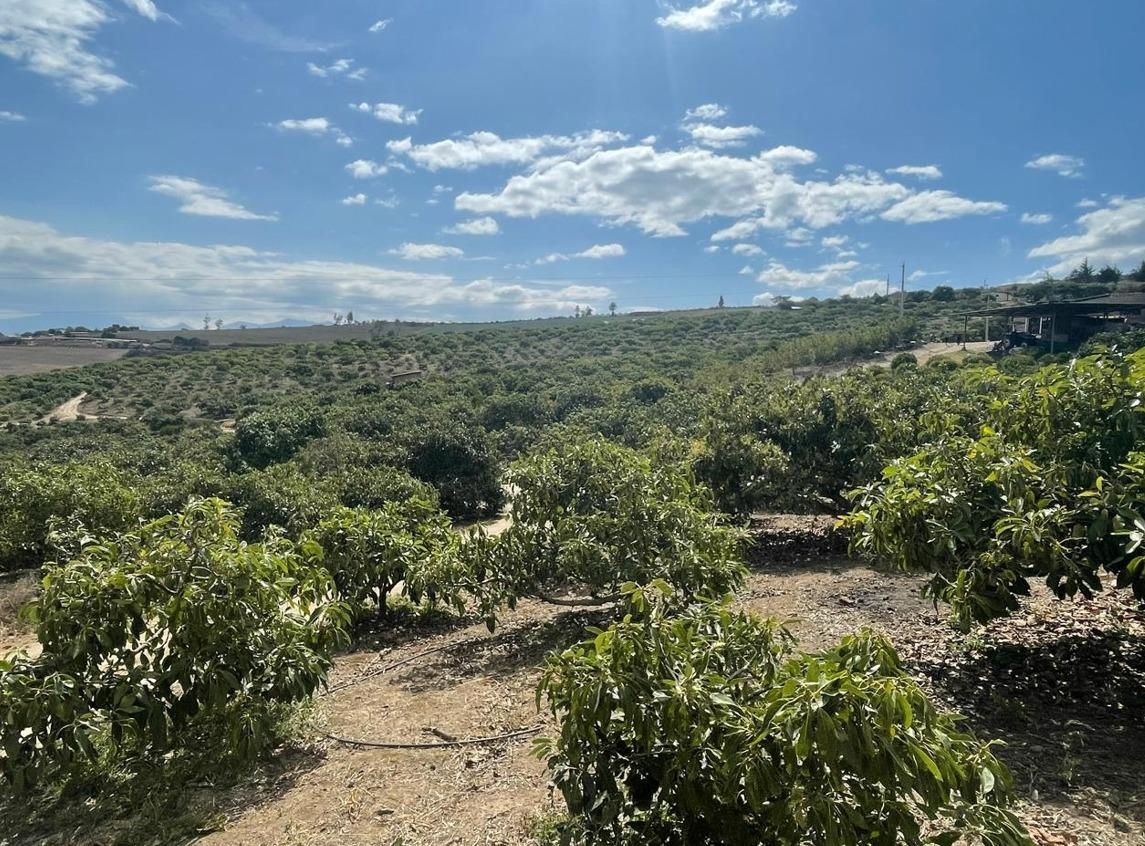
According to data from Ecuador's Ministry of Agriculture and Livestock, the country has increased its avocado cultivation area in recent years, from 3,000 hectares in 2018 to more than 5,000 hectares in 2023, including the Hass and Green Skin-Fuerte varieties. This growth reflects the sector's interest and potential to supply international markets.
Furthermore, governmental, non-governmental, and private sector entities have collaborated on the promotion and internationalization of this new value chain, as well as the implementation of various training and technical assistance programs for avocado producers, with the goal of meeting the quality standards demanded by markets such as the European Union, Russia, the Middle East, the United States, and the Southern Cone. These initiatives aim to strengthen the competitiveness of Ecuadorian avocados abroad.
The opening of these markets is also supported by trade and phytosanitary agreements that Ecuador has negotiated in recent years. The Agency for Regulation and Control of Plant and Animal Health (AGROCALIDAD) has worked in conjunction with its international counterparts to ensure that Ecuadorian avocados comply with import regulations and requirements, thus facilitating access to new markets.
With these actions, Ecuador seeks to position itself as a reliable and high-quality supplier in the global avocado market, taking advantage of the opportunities offered by high-consumption markets and diversifying its export destinations to ensure the sustainable growth of the sector.