From North Africa to Europe: Morocco's rise in the avocado market
The global avocado market has seen new regions emerge as key players in the production of this high-value fruit. Among them, Morocco is increasingly prominent, especially due to its ability to meet the growing demand in Europe.
During a recent visit to Morocco, Carlos Ocaña, columnist for Avobook and head of the avocado division at the Spanish company Hermanos Fernández, had the opportunity to witness firsthand the sector's boom in northern Morocco. During his trip, Ocaña met with Yassin Chaib, manager of Mavoca, a leading Moroccan exporter, from whom he obtained valuable information about the avocado market in the region.
A quality and local origin
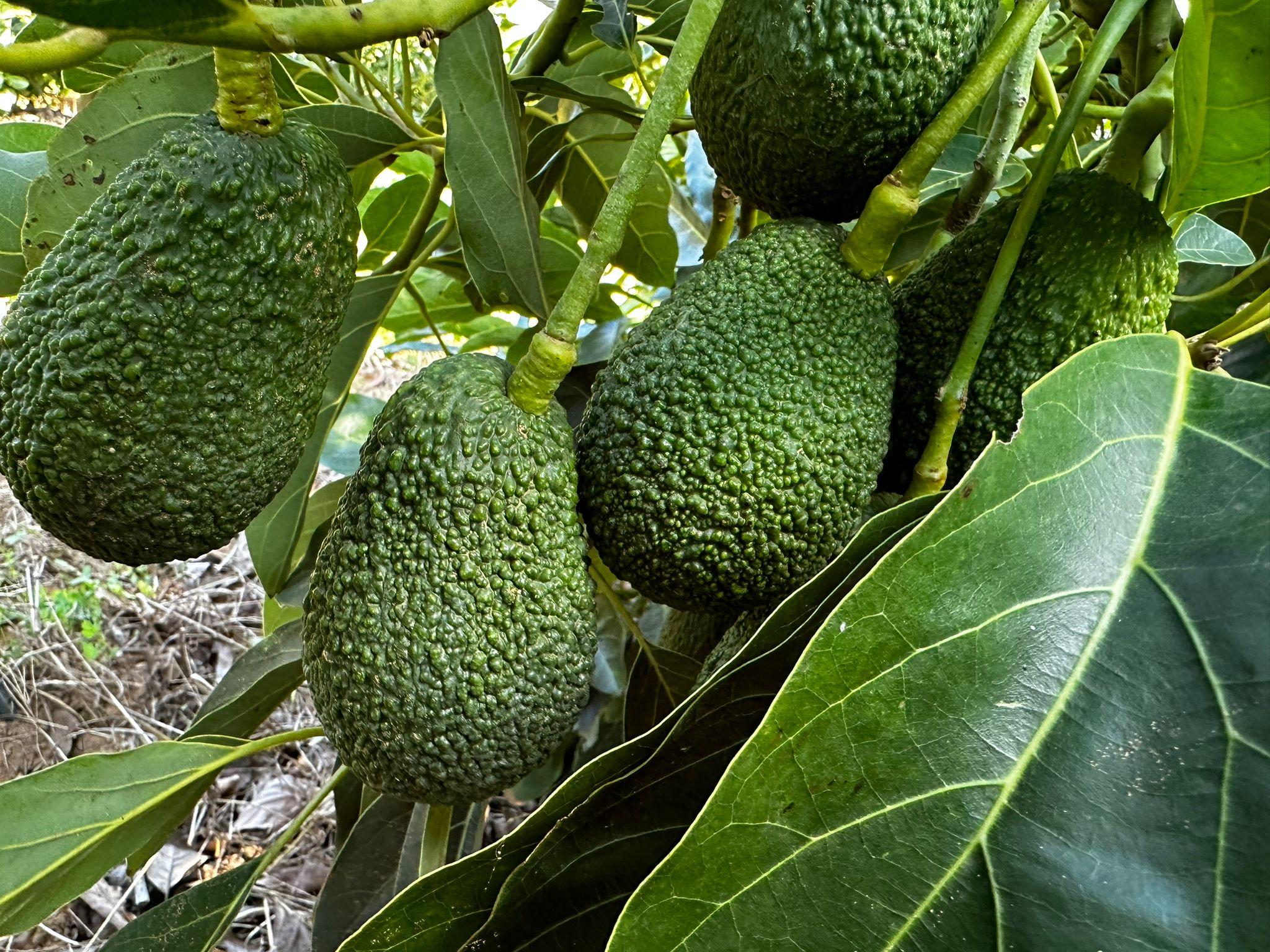
Morocco boasts exceptional conditions for avocado cultivation, thanks to its latitude similar to Spain's, but with an added advantage: greater irrigation capacity and superior soil quality. In fact, many fruit plantations, such as strawberries and blueberries, in the north of the country have been replaced by avocados, making this fruit one of the most important in the region.The cultivation area stretches from Asilah to Rabat, passing through key cities like Larache, one of the most productive. This coastal region, along with others nearby, offers an ideal climate for avocados and soil conditions that favor their growth. Located just 150 kilometers from the sea, its proximity to Europe, especially Spain, facilitates export. In just two days, a truck can transport the fruit from the harvest site to the Spanish border, a crucial factor in guaranteeing the product's freshness.
Carlos Ocaña emphasized that "Morocco's proximity to Europe, coupled with the speed of its exports, is a key competitive advantage. A truckload of avocados can reach Spain in a matter of days, ensuring the fruit arrives fresh at the markets—a challenge faced by other, more distant producing regions." This logistical speed positions Morocco as a strong competitor to other producing countries, such as Chile and Peru.
Ocaña explains that one of the main challenges for the industry in the past was harvesting avocados in humid conditions, which caused blemishes on the fruit. However, today the sector is much more professionalized.
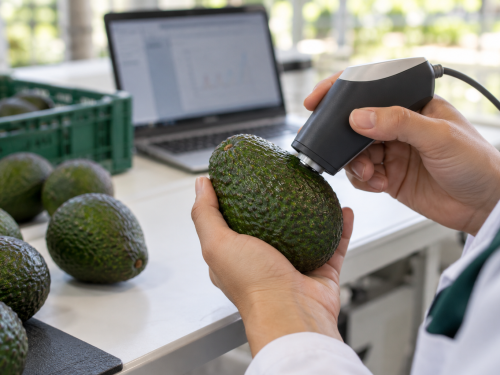
The large warehouses have advanced technology, such as automatic calibrators and X-ray systems, to detect any cosmetic damage in avocados, thus ensuring that only the best quality products reach the market.
Moroccan companies, such as Mavoca, are investing in training their workers and implementing better agronomic practices, which has allowed avocado production to become one of the most competitive in the region.
“The quality of Moroccan avocados has improved enormously in recent years. Technology and good agricultural practices are enabling increasingly efficient and higher quality production,” he explained.
Market strengths and challenges
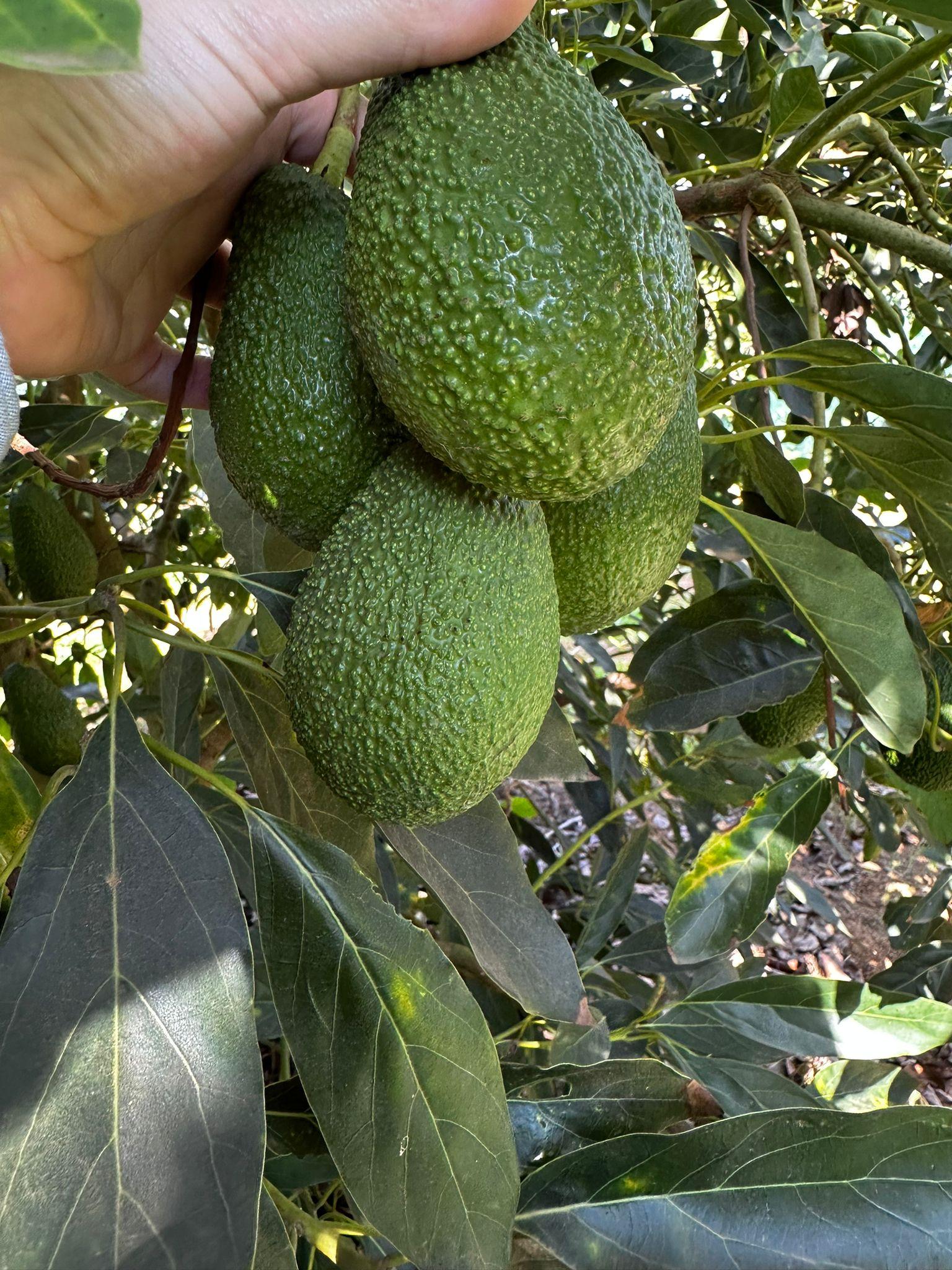
Morocco, while not a country with high domestic consumption of avocados, has positioned itself as a major exporter thanks to its excellent climate, the availability of water from desalination plants in the north, and the professionalization of its industry. Furthermore, the quality of the fruit has improved considerably, allowing Morocco to export avocados with excellent flavor and texture, especially during March, April, and May, when the fruit reaches its peak oil content.Ocaña emphasized that "Moroccan's climate and desalination plants are two key factors that allow for high-quality avocado production throughout the season. This year's harvest has been excellent, with large, flavorful fruit." Despite these advances, one of the main challenges remains the poverty affecting a portion of the population, which limits domestic consumption. However, the European market, especially Spain, is the primary destination for Moroccan exports.
Ocaña concluded that "Morocco is destined to become a benchmark in the European avocado market. With increasing investment in infrastructure and training, its ability to compete with other origins will be even greater." As the sector continues to evolve, Morocco's impact on the European avocado market will not only grow but will likely change the supply dynamics of this popular fruit.