From São Paulo to Rio Grande do Sul: the key areas of Brazilian Hass avocado
Brazil is consolidating its position as a new player in the international Hass avocado market. Although the country has historically had a strong presence in tropical avocado production, in recent years there has been a shift towards Hass, driven by favorable agro-climatic conditions, sustained investment, and growing external demand. In this context, production areas are being redefined, shaping a new agricultural landscape that combines tradition, innovation, and export potential.
Currently, Hass avocado production in Brazil is distributed across three main zones, differentiated by climate, altitude, and harvest schedule. This territorial division not only determines the quality and size of the fruit but also defines the logistical and commercial strategies of the producers.
The early harvest zone is located in the warmer regions of São Paulo state. In these areas, where the oldest orchards are located, the harvest extends from late January to May. However, excessive heat and scarce rainfall during flowering negatively affect productivity and fruit size.
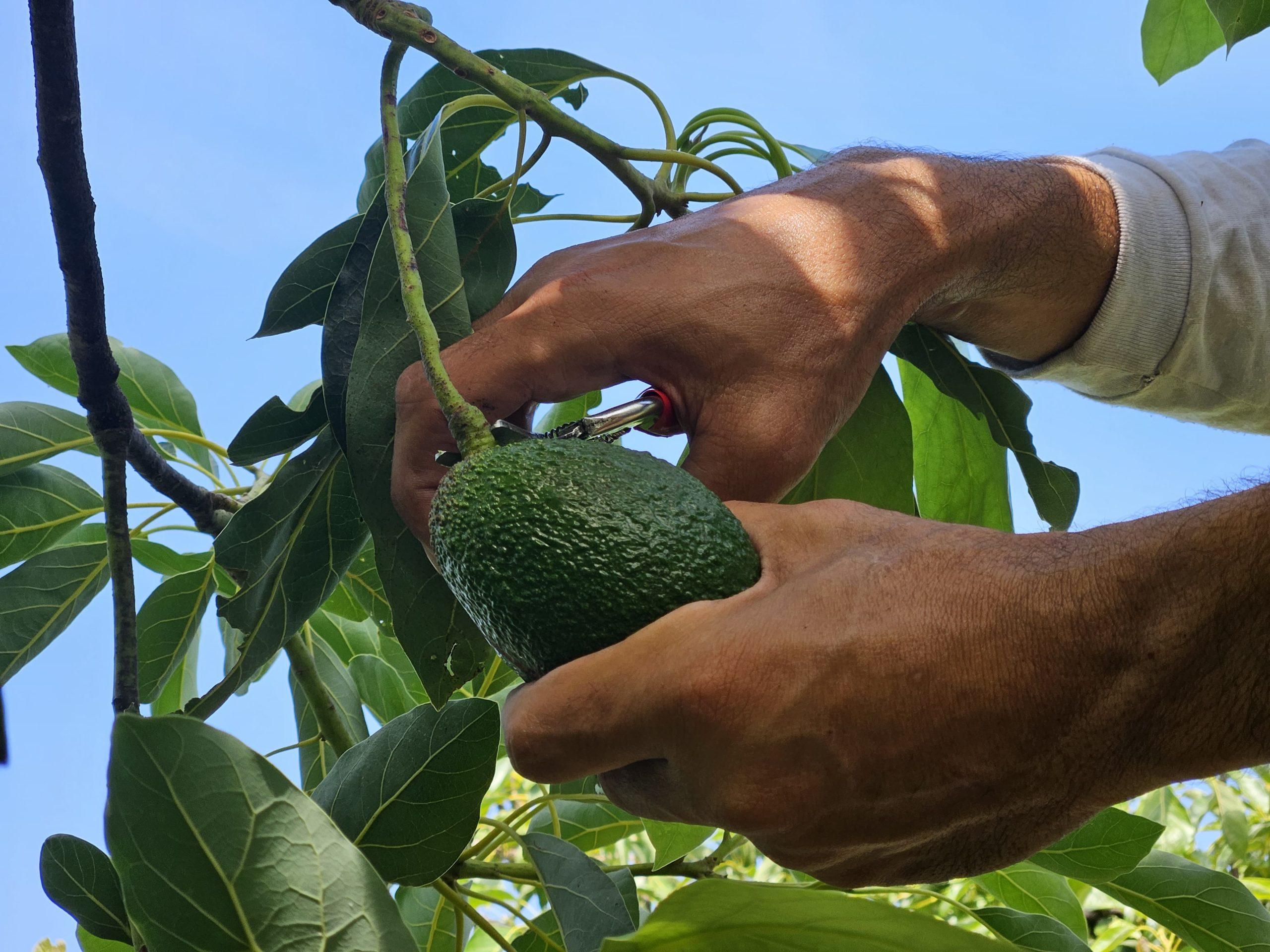
According to Tiago Falanghe Carvalho, commercial director of Avocado Jaguacy Agroindustria Ltda., “the earliest fruit suffers more from the heat, resulting in smaller sizes and a more vulnerable quality.” It is estimated that this area has approximately 1,800 hectares planted.
In contrast, the mid- and high-altitude zones represent the core of current and future Hass avocado growth in Brazil. These regions include southern São Paulo state, northern Paraná, and the highlands of Minas Gerais and Espírito Santo, with altitudes ranging from 800 to 1,500 meters above sea level. There, the harvest season runs from March to August.
These areas offer ideal growing conditions: cool nighttime temperatures, good water availability, and low pest pressure. Carvalho points out that "this is where the greatest growth in avocado cultivation in Brazil has been observed." Estimates indicate that southern São Paulo has 2,000 hectares, northern Paraná 1,000, Minas Gerais 3,500, and Espírito Santo 500, totaling 7,000 hectares in this productive region.
A third, less developed but high-potential area is located in the state of Rio Grande do Sul. This is the late-season zone, where the harvest extends from June to November. Currently, it has approximately 200 hectares planted. Although the climatic conditions in this region are more challenging—with frequent rains and a risk of frost—the altitude and the distinct growing season offer strategic opportunities to extend the product's availability in international markets.
In addition to these three main areas, pilot projects have been initiated in the northeast of the country, particularly in regions known for their mango production. In these cases, the challenge lies in the lack of temperature variation, necessary for Hass mango flowering, which makes its large-scale commercial development uncertain. So far, only about 40 hectares of experimental orchards have been registered in this area.
Tiago Carvalho emphasizes that one of the country's greatest assets is precisely this agro-climatic diversity, which allows for staggered harvests throughout the year and provides fruit for more months. In fact, Jaguacy, one of the country's leading exporters, has distributed its own farms across different regions precisely to guarantee continuous production. “In western São Paulo, we have an early harvest between February and May. In Minas Gerais, Paraná, and southern São Paulo, the season extends until October. And in Rio Grande do Sul, until September,” he explains.
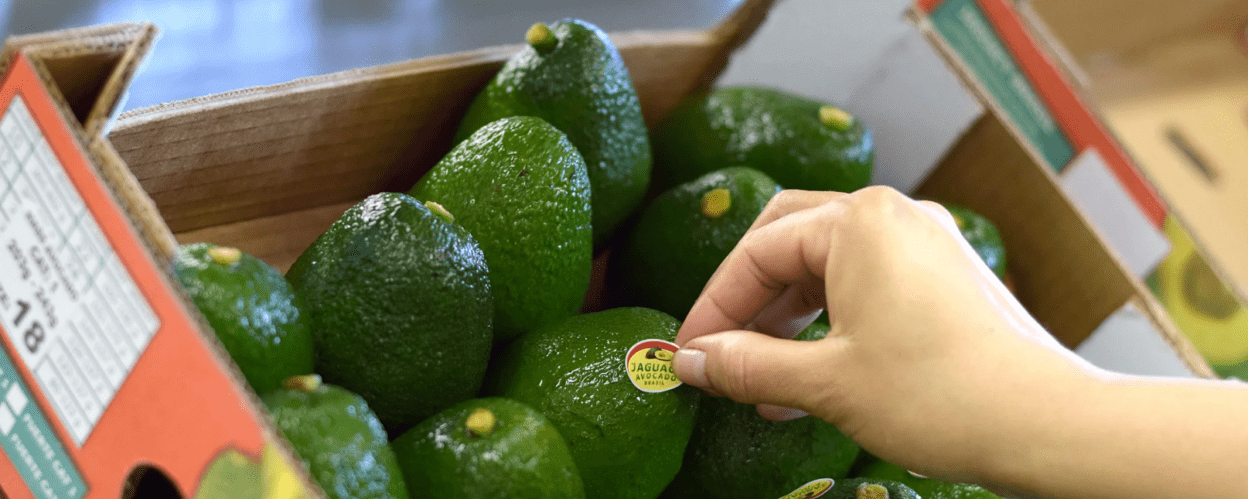
The success of the mid- and late-season areas is not solely due to the extended harvest window. In terms of quality, these regions produce larger, better-looking fruit. The altitude and climate conditions allow for avocados with improved health, flavor, and resistance to transport. “Importers prefer early-season fruit from Brazil for its flavor, and the later-season fruit from Minas Gerais has a very similar appearance to that of South Africa,” Carvalho points out.
Despite the sustained growth of production areas, the Brazilian domestic market still does not absorb a significant volume of Hass avocados. Most local consumers continue to prefer the tropical variety. Therefore, the development of these production areas is geared almost exclusively toward export. Eighty percent of the volume produced—some 25,000 tons out of a total of 30,000—is destined for international markets, especially Europe.
The development of these areas responds not only to external demand but also to a medium-term strategic vision. Brazil is expected to incorporate around 1,000 new hectares per year, especially in the cooler, mid-altitude zones. According to Carvalho, “There are many small plantings of 20, 30, and 50 hectares, which are large for other countries, but in Brazil are still experimental. However, their impact on the industry will be very significant in the coming years.”
One of the challenges for these new areas is ensuring crop certification to meet the requirements of destination markets, especially Europe. The risk of uncertified producers entering the international trade circuit worries major exporters, who see traceability as essential to protect the reputation of Brazilian origin.
Hass avocado production areas in Brazil are undergoing a profound transformation. From a model focused on a few warm areas with limited production, the country has shifted to a diversified system, where mid-altitude and cooler regions are leading the expansion with high-quality fruit and complementary growing seasons. Through territorial planning, infrastructure investment, and the opening of new markets, these regions are shaping the future of Brazilian avocados.