2026 Season | Strategic Window and Productive Leap
From 30,000 to 60,000 tons: An exceptional year for Brazil or a new standard?
Abacates do Brasil projects strong production growth in a season marked by favorable weather and new installed capacity.
The first Brazilian shipments have already left for Europe and South America, marking the formal start of a season that could redefine the country's role in the first part of the global calendar. Unlike recent seasons affected by heat stress and low productivity, 2026 begins with a rare combination: high volume, available quality, and a relatively clear marketing window.
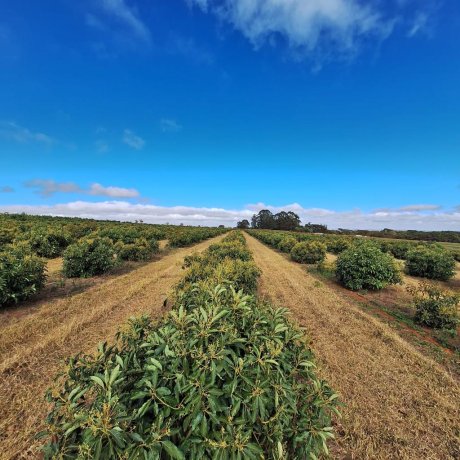
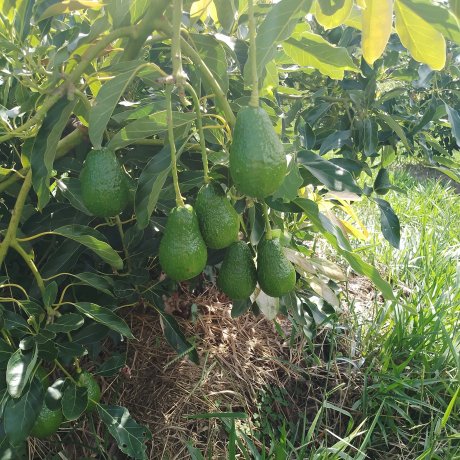
“This year we believe we have a slightly longer season, because almost all the producing regions are having a good harvest,” explains Adilson Penariol, president of Abacates do Brasil. This is significant. Brazil projects a total production of around 60,000 tons , of which it expects to export between 40,000 and 45,000 tons . Last year, in contrast, production slightly exceeded 30,000 tons and exports reached around 25,000 tons.
Growth is due to three structural factors.
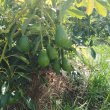
The first is climatic. Spring 2025 had moderate temperatures and well-distributed rainfall, in contrast to recent years, when several regions—located between 500 and 900 meters above sea level—faced prolonged heat waves, with more than 15 consecutive days above 40°C and severe water deficits. “It allowed for very good flowering, very good glue,” Penariol summarizes.
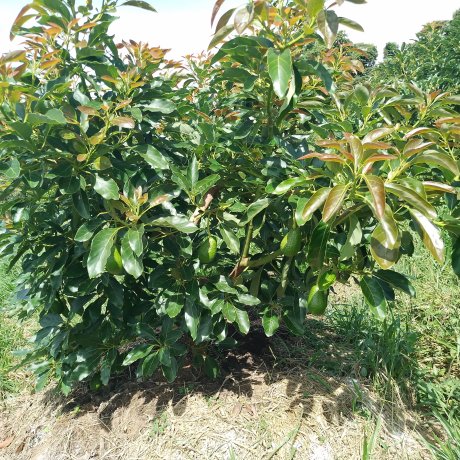
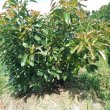
The second factor is physiological. The plants had come from cycles with low yields. “They were rested,” he notes. Without a marked biennial pattern and after a low-volume season, the orchards were in a position to respond more intensely to favorable weather.
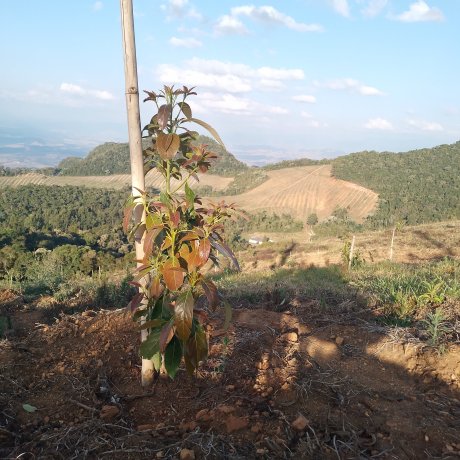
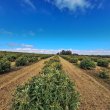
The third element is expansive: new areas planted three years ago are now entering full production, contributing additional volume and consolidating a broader production base.
The strategic question is not just how much Brazil produces this year, but how it manages that abundance.
Clean window in Europe and quality strategy
Brazil's greatest competitive advantage is concentrated between February and March, extending until mid-April , in the period leading up to the most significant arrival of Peruvian products. "Our greatest advantage during this window is before the arrival of Peruvian products," explains Penariol.
After April, while Peruvian dry matter has not yet reached higher levels, Brazil can occupy that space with a differentiated proposal based on quality.
From April to June, the focus will be primarily on Europe, not based on price competition, but on quality. “We will have a very attractive supply of dry matter,” he states. This strategy will be developed in coordination with South America, maintaining a regional presence without neglecting the European market.
From July onward, the landscape expands. Options open up in Argentina and Chile—given that the Chilean harvest has not yet begun—as well as in Europe, while Peru starts to reduce its shipments. In this final stage, when Brazilian dry matter reaches its highest levels, the commercial focus will tend to concentrate on Mercosur, partly due to logistical advantages.
The Brazilian harvest should extend into September and even early October, although with a decreasing volume towards the end.
The Brazilian domestic market offers a warning about the risks of imbalance. Strong seasonality causes extreme fluctuations: during periods of scarcity, the price per kilo can reach $7, even for lower-quality fruit; at the height of the harvest, it can drop to $2 for superior fruit. “Consumers don't understand why they pay $2 for good fruit and then $7 for bad fruit,” acknowledges Penariol. This volatility reveals the need to extend the production window and stabilize supply throughout the year.
Is this growth a structural turning point or a temporary phenomenon? The weather was a determining factor, but the entry into production of new areas suggests that Brazil is expanding its export capacity more permanently.
The challenge will not only be to increase export volumes, but also to translate that expansion into commercial stability, a reputation for quality, and a sustained presence in strategic markets. The season has just begun, but Brazil has already made it clear that it wants to play a more decisive role in the initial window of the year.