How processed avocados are gaining ground in the markets
From production to international expansion, Miriam Martínez's experience reflects how processed avocados are redefining consumption, quality, and the market.
Miriam Martínez's career path in the avocado industry wasn't a predetermined plan, but rather a series of decisions that, over time, led to a unique and highly strategic specialization: processed avocados. Today, as Operation & Quality Manager at Avocomex, her journey began in 2008 in Mexico, when she joined a local company in the production department—an experience that would definitively shape her technical perspective and comprehensive understanding of the industry.
“I started in production, and that gave me the opportunity to learn about all the areas, the entire process,” he recalls. That initial experience allowed him to understand the industry from its operational foundations and build a comprehensive view of the business. Those early years were key to understanding how every decision at the source impacts the quality of the final product and the efficiency of the operation.
After two years in production, her career shifted towards product development. From 2010 onwards, her work focused on research and development, delving into the properties of avocados, their applications, and the many transformation possibilities offered by processing. “I’ve always been in processing; I’ve never worked with fresh avocados. Since I started, my focus has been on the processing area, understanding how avocados are transformed and how each stage directly impacts the quality of the final product,” she explains, revealing a specialization that has solidified over time.
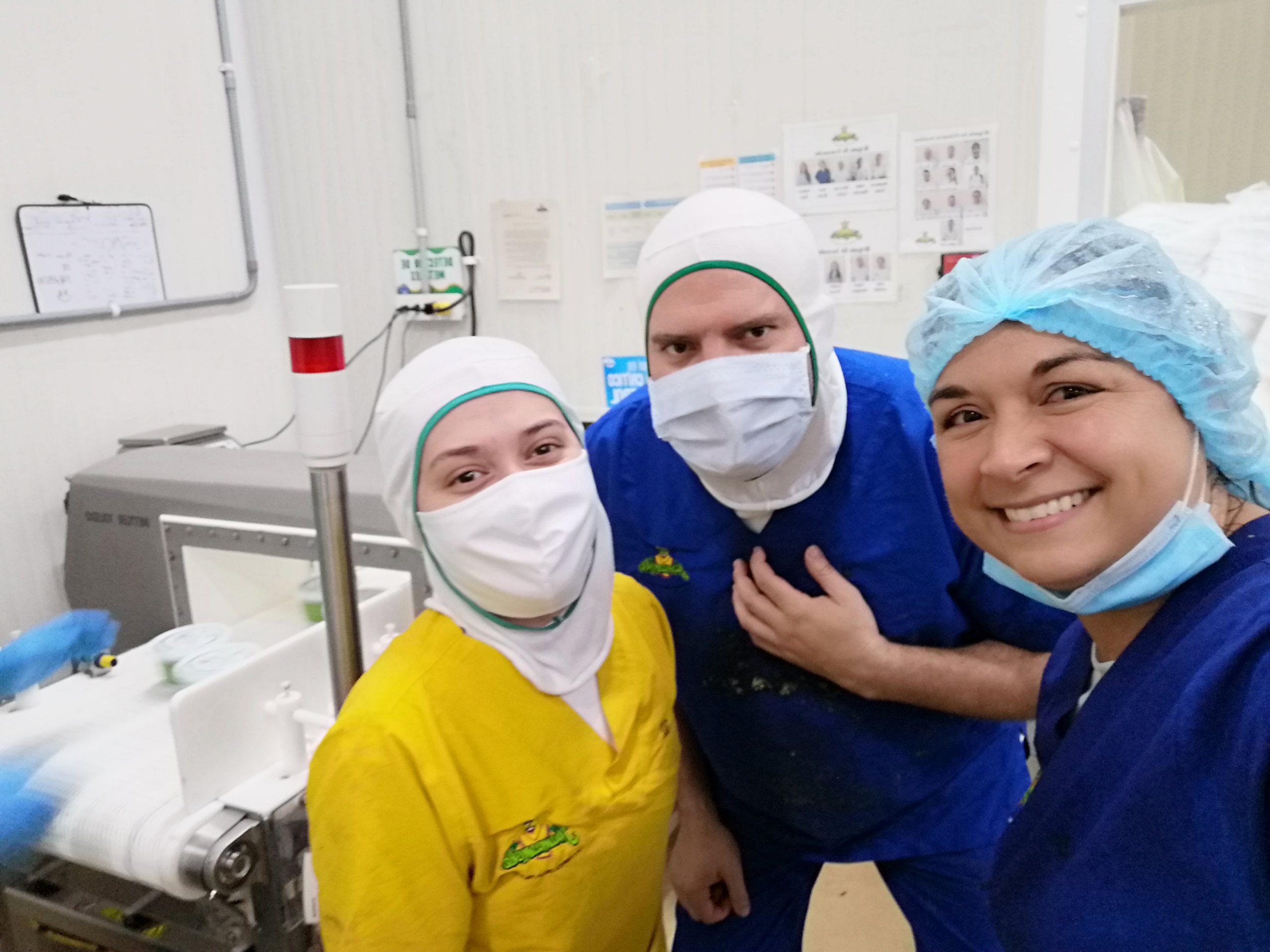
That initial phase laid the groundwork for an international leap. For three years, he served as quality manager at Good Foods, a North American company headquartered in Tacámbaro, Mexico, participating from the plant's construction to the start of initial production. It was a challenge that strengthened his understanding of the business, from engineering to operations. "I was there from the very beginning, from the start of construction until the first production began," he says, emphasizing the value of having experienced the entire startup process.
After completing that cycle, he returned to the company where he had started —Freshcourt, located in the city of Uruapan, Mexico—, where he remained for five more years between the production and development areas, accumulating experience in the entire life cycle of processed avocado products and strengthening his technical and operational profile.
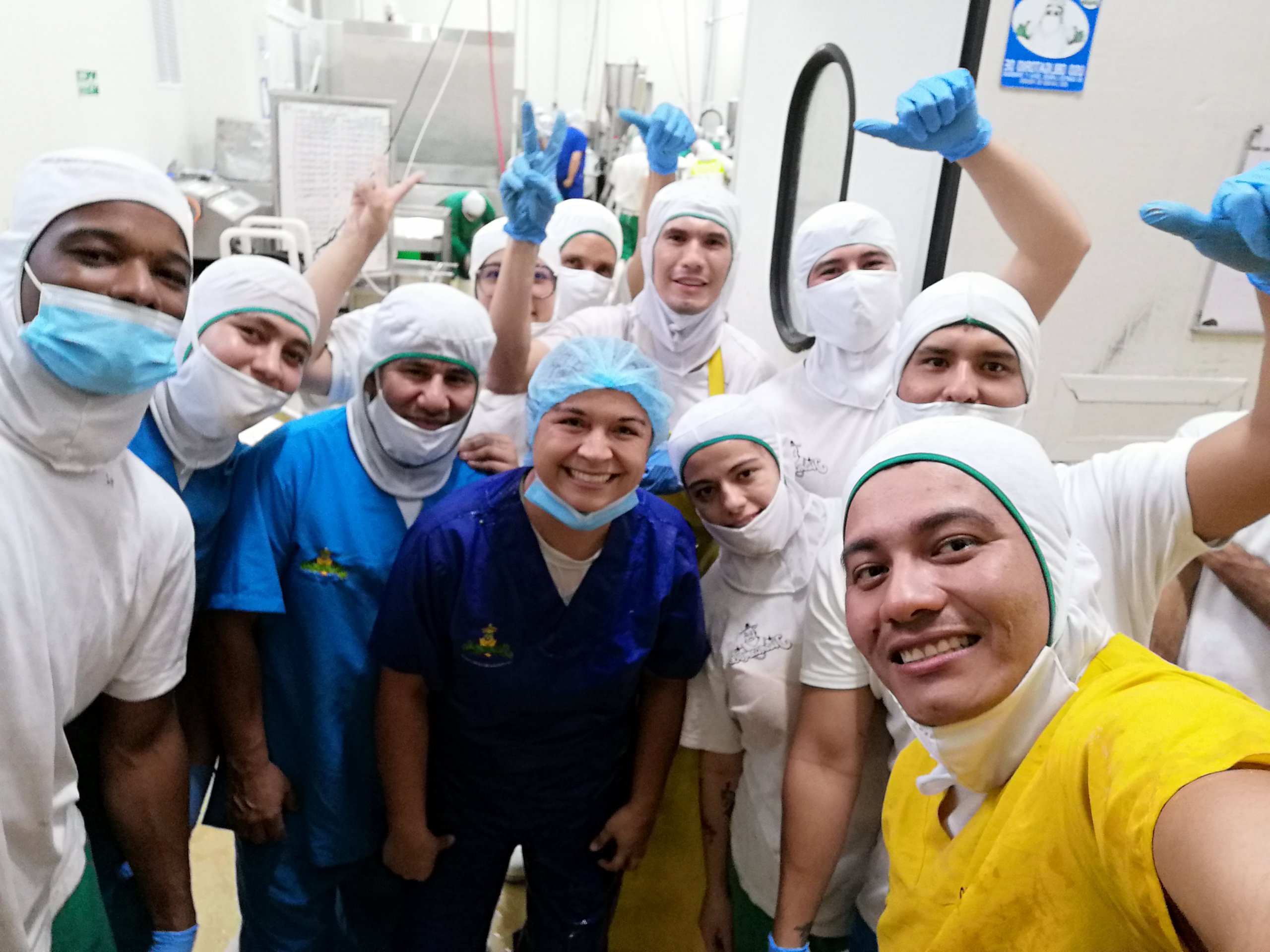
The turning point came in 2021 with her joining Avocomex. Four years later, she describes this period as the most enriching of her professional career. “This change has been the best. The learning, getting to know other countries and cultures, and starting processes in other countries has been very rewarding. Each plant, each country, and each team teaches you something different, and that forces you to keep learning every day,” she says. Her role has led her to participate in the start-up of plants in Colombia and Peru, as well as gain firsthand knowledge of operations in Brazil, broadening her perspective on an increasingly globalized industry.
The context of his career is embedded in a global market that is attracting increasing attention. According to estimates from Data Bridge Market Research, the global avocado processing market was valued at around USD 2.6–2.7 billion in 2024 and is projected to exceed USD 5 billion by 2032–2035, with compound annual growth rates ranging from 6.8% to 8.7% over the next decade. This scenario, based on his experience, confirms the magnitude of an expanding industry. “The avocado world is enormous, it continues to grow, and it’s a field of knowledge that never ends,” he states.
From an operational standpoint, Martínez identifies structural differences between fresh and processed avocados, especially in terms of commercial logic. “Sending a container of fresh avocados is not the same as sending one of processed avocados. With processed avocados, everything is already defined: recipes, labels, and target market. If it's not sold, it's better not to process it, because it's not a product you can easily move to another customer,” he explains, highlighting one of the sector's main challenges.
Added to this is the health requirement. Since these are ready-to-eat products, the quality standards are strict and allow no room for error. “You open it and eat it. There’s no washing, no sanitizing, no further processing before consumption. Therefore, if your quality standards aren’t adequate, the risk is very high, and the responsibility lies entirely with the processor,” he warns.
However, these demands also open up a range of opportunities. The ability to adapt recipes to the tastes of each market makes processing a fertile ground for innovation and portfolio diversification. “The variations you can develop are so numerous that it truly opens up a world of opportunities. Each market has different tastes, and processing allows you to adapt to those preferences without losing quality or product identity,” he summarizes.
The rise of processed avocados also reflects profound changes in consumption habits. The search for convenience, the reduction of waste, and direct consumption are redefining consumers' relationship with food. “Today we look for everything to be as easy as possible. Our daily routines don't always leave us time to prepare, and that's why we want products that you simply open and eat. This shift in consumption is happening all over the world,” she maintains.
Looking ahead, Martínez sees a clear and sustained trend toward growth in processing, driven by the opening of new plants and the expansion of markets such as Europe, Canada, and, more recently, China and the Middle East. In this context, his personal vision is one of balance and future growth. “I’m very happy at Avocomex, experiencing growth, learning, opportunities, and peace of mind. It’s a place where I can continue to develop professionally without losing my balance,” he says.
Beyond the technical and operational challenges, he highlights one factor that he considers a differentiator within the industry: "It is a company with human quality, and that makes a real difference."
Thus, Miriam Martínez's story not only reflects the evolution of a professional career, but also the transformation of an industry that is moving towards specialization, globalization of consumption and the creation of added value, with processed avocado as one of its main projection axes.