How processed avocados are conquering Asia, Europe, and America
What was once an exotic fruit reserved for salads and toast is now at the heart of a rapidly transforming industry. The avocado has gone from being just a fresh food to becoming a raw material for an increasingly sophisticated range of products.
Demand for processed avocado products such as guacamole, oil, and frozen formats is steadily growing in various regions around the world. To better understand this phenomenon, we spoke with Eduardo González, CEO of Avocomex , a company specializing in the export and processing of avocados, who shared his vision for the future of this sector.
Established products and projects in development
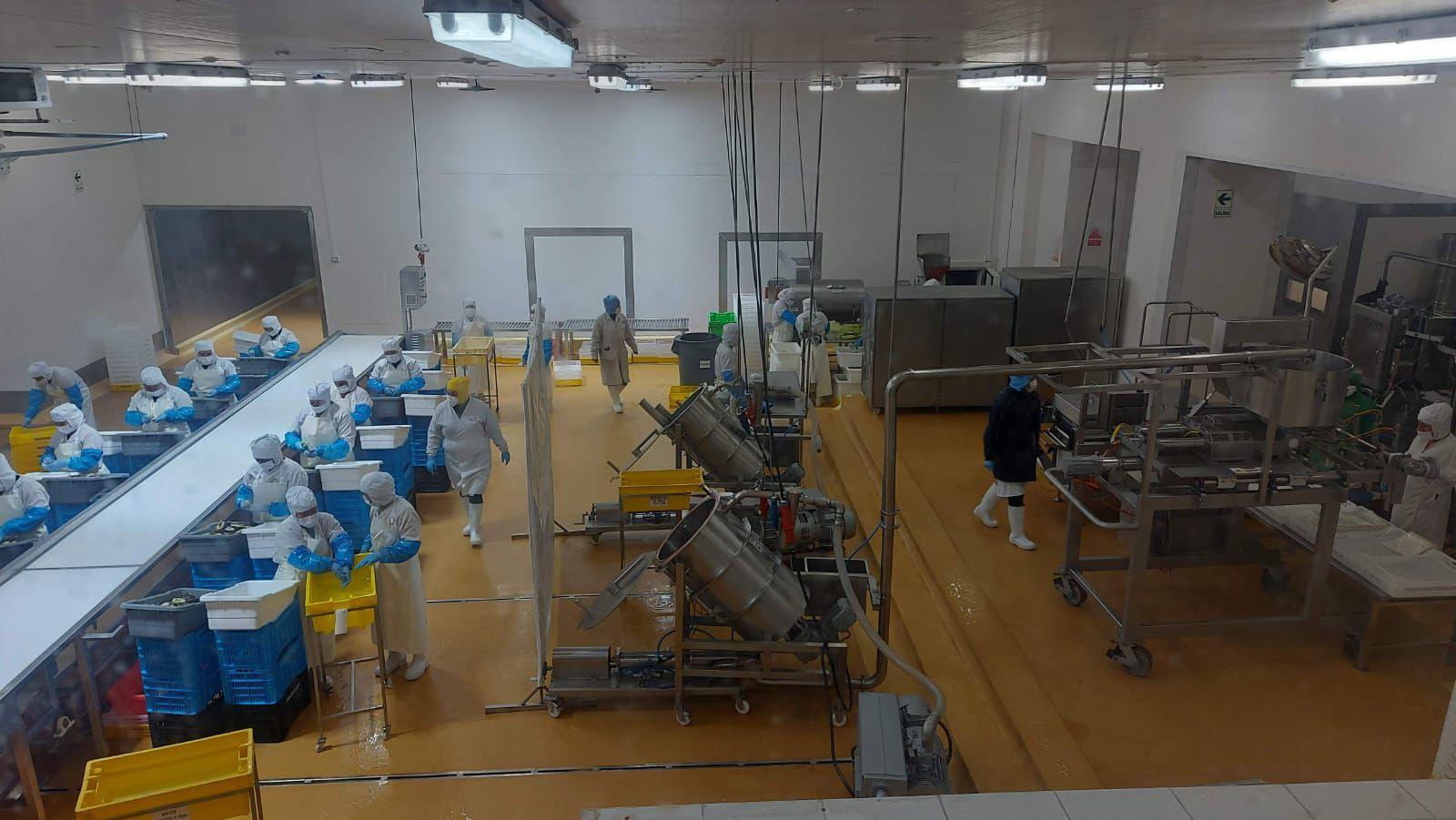
According to González, guacamole and avocado oil are currently the most established products in their processed food portfolio. Both have gained popularity due to their convenience and because they retain many of the properties of fresh avocados. Guacamole, in particular, has become a staple in markets such as the United States and Europe, where the rise in popularity of Mexican cuisine and the preference for healthy foods have made it a popular product, especially among younger consumers.However, there are products with great potential that are still in the growth phase. One of them is the IQF (Individually Quick Frozen) avocado , available in halves, slices, or cubes. This format has the advantage of better preserving the flavor and texture of fresh avocado and can be easily incorporated into all types of cuisines. "IQF shows great promise, but it requires innovation in its processing to scale up," says González.
Expanding markets: Asia in the spotlight
The United States and Europe remain the primary destinations for processed avocados, with consumption on the rise. But exporters are beginning to turn their attention to Asia , a market just discovering the benefits of avocados. González points out that products like frozen pulp and IQF could easily be integrated into Asian cuisines, especially in dishes that require versatile, fresh, and high-quality ingredients.
One of the challenges facing the sector is the low level of ownership that producers have within the processed avocado value chain. “Very few processing companies are directly owned by producers,” says González.
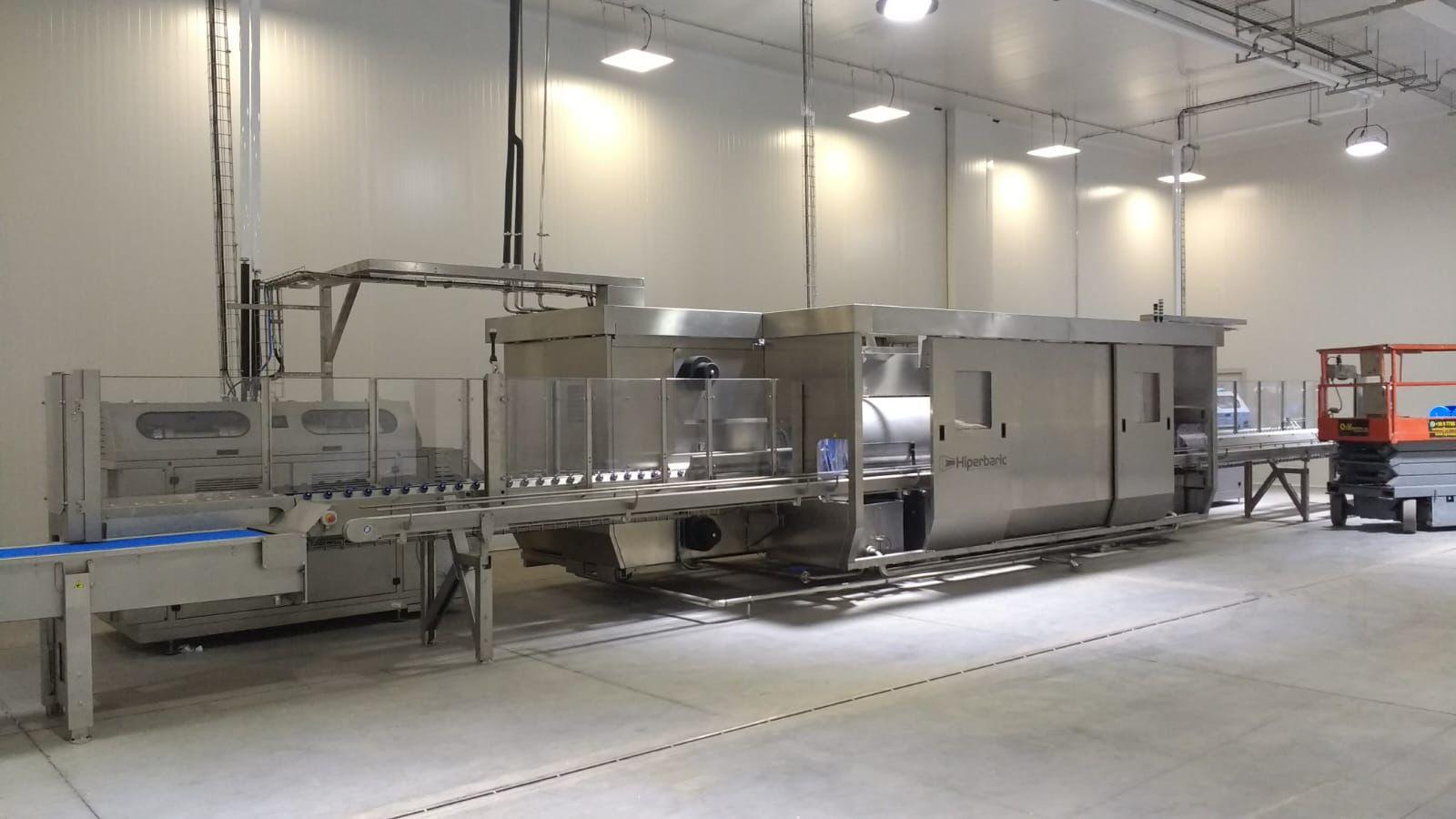
Despite this, processed fruit offers an opportunity to utilize fruit that, for cosmetic reasons, cannot be exported fresh. Depending on the origin and quality of the discarded fruit, between 10% and 30% of total production could be used for processing.
Despite their potential, some products still require further development. This is the case with IQF (Individually Quick Frozen) avocados, whose production remains manual, limiting efficiency and the utilization of the fruit at its optimal ripeness. “The challenge is to find processing methods that allow us to preserve the flavor and texture of fresh avocados without compromising scalability,” explains the CEO of Avocomex.
Finally, González emphasizes that the processed avocado business is still concentrated in a few countries: Mexico, Peru, Spain, and recently Colombia . This indicates that the sector is still maturing, with significant opportunities for new players and technologies that will expand its reach.