Brazil has every chance of becoming a respected player in the international avocado market
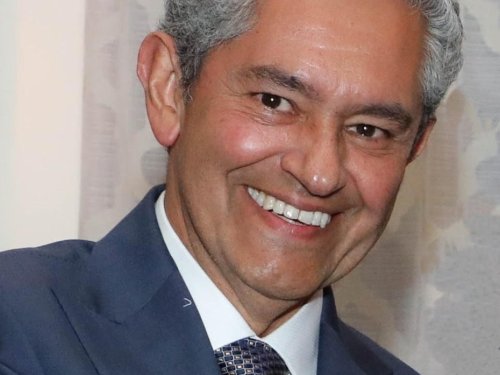
Adilson Luis Peñarol, president of the Brazilian Avocado Association (Abacates do Brasil, AAB) for the 2024-2025 term, is currently leading one of the most decisive moments for the country's fruit industry. With over three decades of experience in the agribusiness sector, he combines the wisdom of a lifetime in agriculture with a strategic vision aimed at positioning Brazil as a leading producer and exporter of Hass avocados.
His history with agriculture goes back several generations. “My journey in agribusiness spans several generations, with my entire family involved in the sector. Since my great-grandfather arrived as an immigrant from Italy, all subsequent generations have been and continue to be deeply involved in farming,” he recalls. In 1987, he entered university to study agricultural engineering, continuing that legacy and beginning a career that now spans more than three decades.
Avocados entered his professional life in 2000, when he took over as general manager of the Green Super Food group. “My mission was to restructure the newly launched project, which was experiencing difficulties at the time,” he explains. That challenge definitively linked him to the sector and marked the beginning of a career that would lead him to the presidency of Abacates do Brasil.
His involvement in the Association was a natural step. “I firmly believe that together we are much stronger, which is essential, especially in a sector that is still growing and consolidating,” he says. From the beginning, he was enthusiastically received by the producers and began actively participating in meetings, events, and discussions. In 2023, along with a group of colleagues, he accepted the challenge of running for the AAB's leadership, and in 2024 he assumed the presidency for a two-year term.
His preparation for this role was grounded in extensive business experience. After graduating with a degree in Agronomy in 1992, he worked for various companies, including Monsanto, where he played a key role in introducing biotechnology to Brazil. From that period, he draws a lesson that remains with him to this day: “The most important lesson I’ve learned is that people make the difference. By building strong and lasting bridges, listening to and learning from everyone around us, our path will undoubtedly have a greater chance of success. As my father used to say, ‘Son, leave good footprints wherever you go; you’ll eventually come back to them.’”
At the helm of the AAB, Peñarol and his team defined a set of strategic priorities. The first was the immediate development of a five-year Strategic Plan , which has now been completed and establishes the organization's action plan. They also spearheaded the expansion of the Association's reach into new producing regions, which allowed them to increase membership by 30% and integrate small and medium-sized producers.
Another achievement was the creation of the Avocado Academy , a specialized course available to members, offering modules on all aspects of avocado cultivation and marketing. “The course is already underway, with several modules completed,” he notes. In parallel, the Origem Brasil brand was launched , designed to give the fruit a distinct identity in the markets and strengthen the promotion of domestic consumption.
The year 2024 marked a turning point. “Never before has a fruit opened so many markets in a single year,” Peñarol states, referring to the opening of markets in Japan, Chile, Costa Rica, and India. Looking to the immediate future, the main objective is to finalize entry into the United States, a process already underway.
The country's climatic conditions further expand the opportunities. "By planting in higher, cooler regions, we have the possibility of harvesting later, that is, between February and September, which is already a reality," he explains. This seasonal diversification, combined with Brazil's continental size, offers unique advantages over other international producers.
The projected growth requires strengthening the infrastructure. “Today we have both the opportunity and the need to expand the supply of packing plants and cold storage facilities, offering a post-harvest structure that supports the growth in fruit supply,” he notes. Although the country already has an installed capacity of fruit orchards, mainly in Minas Gerais, many hectares remain to be planted, which will depend on better integration between the field and the farm.
The Southeast region concentrates the majority of farms and packing plants, and has a robust logistics network. However, Peñarol warns that “improvements are expected, especially regarding ports and the availability of containers and ships to serve more distant markets.”
From a health perspective, the most significant challenge is controlling Stenoma catenifer , a quarantine pest in countries like Chile and the United States. “Regions where the pest is present are working together to control it through inspections and pest management, using various chemical and biological techniques,” he explains. From an administrative perspective, he points to the need to streamline procedures: “With more offices and options for cargo release, the fruit would no longer have to travel greater distances to obtain authorizations and would be ready for shipment more quickly.”
The domestic market presents an extraordinary growth opportunity. Brazil produces around 400,000 tons annually, of which more than 90% are tropical varieties consumed primarily in sweet recipes. “This consumption is well-established and deeply rooted in Brazilian culture. It’s an ancestral tradition that goes back generations,” says Peñarol.
Tropical avocados are also gaining popularity in savory dishes, while the Hass variety is gradually winning over younger generations, who enjoy it fresh, on toast, or in guacamole. “Brazilian consumers still need to better understand how to enjoy this fruit. Both varieties have enormous growth potential in the domestic market, since with a consumption of just over 1.5 kg per capita per year, there is a significant opportunity. When they try a high-quality, well-prepared avocado, they become loyal customers.”
Productive expansion and new players
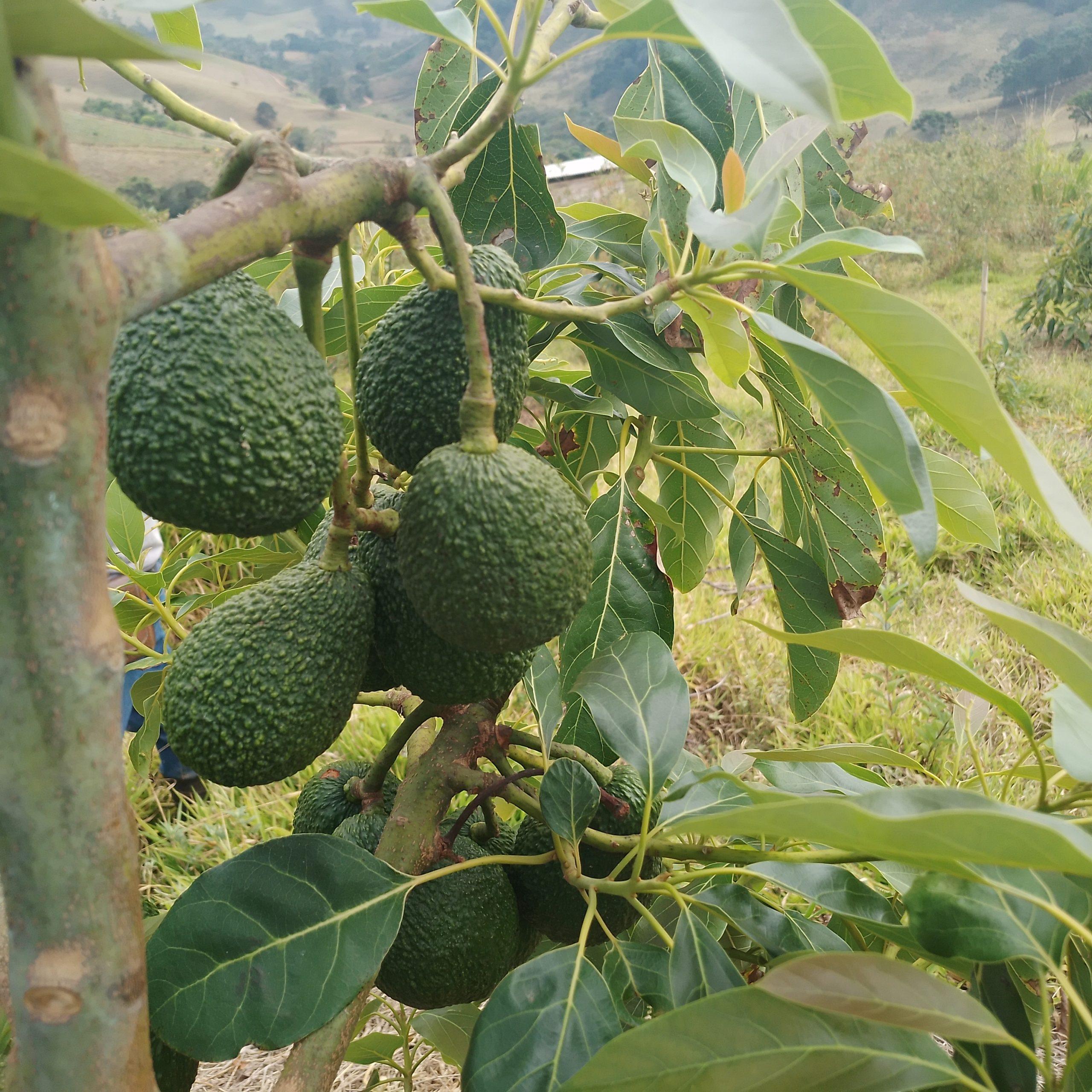
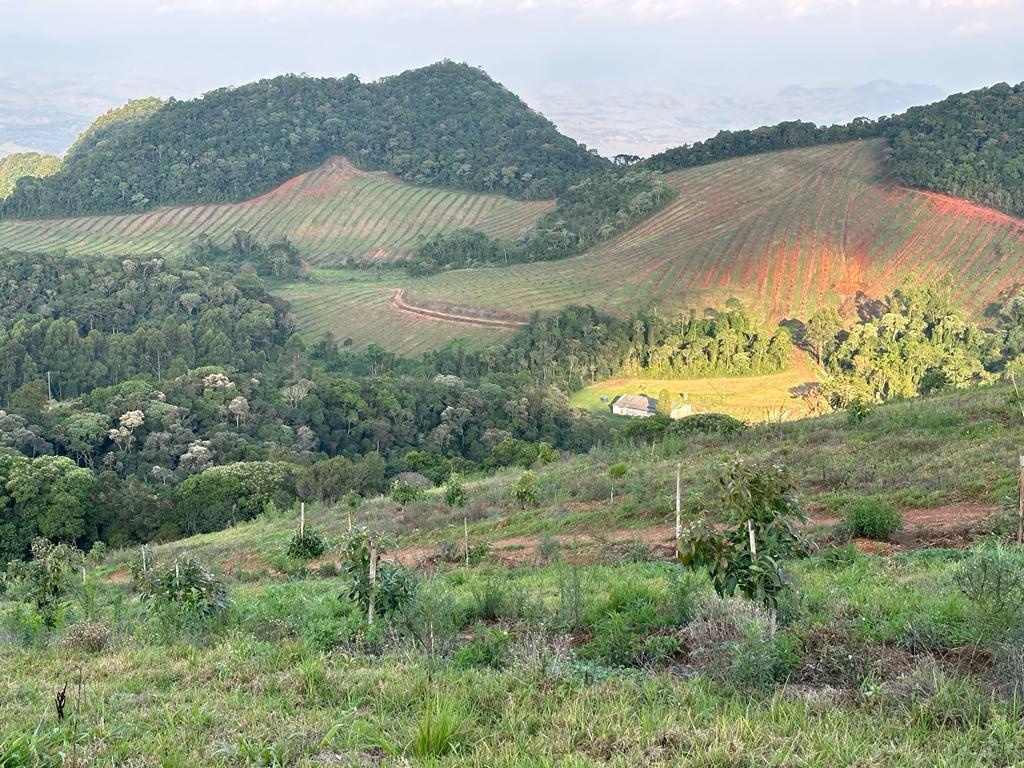
Avocado cultivation in Brazil is undergoing a transition. For years it was dominated by families with a long tradition in the industry, but recently coffee, grain, and other fruit producers have joined in, replacing their crops with avocados and thus expanding the planted area.
Added to this is the arrival of investment funds, which provide capital and visibility. “The arrival of this type of investor, with significant financial capacity and a different business vision, along with those already participating in the chain, will rapidly boost the avocado supply chain,” Peñarol points out.
Another key factor is the entry of large international exporters, who will not only help position Brazil in the global market, but will also supply Hass fruit during the local low season, guaranteeing year-round availability and more stable prices.
Geographically, Minas Gerais stands out as the region with the greatest potential thanks to its microclimates, water availability, logistics, and agricultural history. However, the south and northeast are also emerging as strategic hubs for opening new harvest windows and complementing production.
The projections for Brazilian avocados are ambitious. “Depending on the weather, always a decisive factor, we are on track to produce around 100,000 tons in 5-6 years, three times more than at present,” he asserts. In the long term, Brazil could exceed 150,000 tons, expanding its presence in the domestic market and in strategic destinations. South America, with partners like Chile and Argentina, and Europe appear to be key markets, while new markets are emerging as alternatives with great potential.
Regarding the legacy he hopes to leave at the end of his term, Peñarol is clear: “Our team will contribute strategic planning, the Avocado Academy, the opening of important new markets, progress towards the American market, the incorporation of new partners and producing regions, and the structuring of the technical and communication/marketing committees. These initiatives were made possible thanks to the participation of the entire AAB team, a collaborative effort.”
With a long-term vision and a solid plan in execution, he reaffirms his conviction: "Brazil has every chance of becoming a respected player in the international market, offering quality, sustainable and competitive avocados."