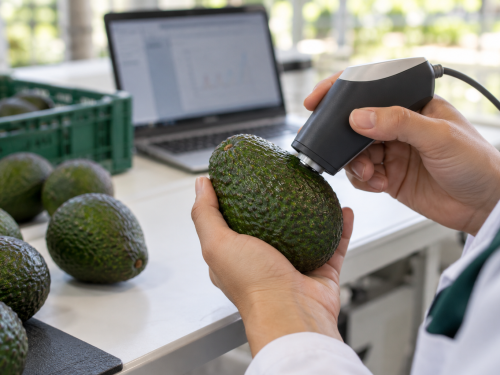
Brazil doubles its Hass avocado exports and seeks to consolidate its position in South America and Europe
Brazil has become an emerging source of Hass avocados with strong potential. In the last three years, its shipments have grown by more than 100%, increasing from approximately 10,000 tons annually to nearly 25,000 tons. This leap has been made possible by the expansion of cultivated land and the entry into production of new orchards, according to Adilson Luis Peñarol, partner/director of AvoPrime Frutas SA and president of the Brazilian Avocado Association (Abacates do Brasil, AAB).
“For the next few years, this growth curve should be significantly influenced by the maturation of more hectares, which will allow us to exceed 50,000 tons,” Peñarol anticipates.
Avobook's analysis confirms the dynamism, albeit with some nuances. Between 2023 and 2024, Brazilian Hass avocado exports grew by around 10%, with Europe as the main destination, accounting for 61% of shipments, while Mercosur countries received 39%, with Argentina as the leading market and Uruguay in second place.
However, when comparing 2024 with 2025, a decrease of approximately 12% in export volumes is observed, resulting from both climate challenges and adjustments inherent to a young industry that is still in the process of consolidation.
The focus on the domestic market
While exports have been Brazil's calling card on the global stage, Penario emphasizes that current efforts are also focused on strengthening the domestic market. “We are working with supermarkets to enhance the Hass avocado consumer experience, launching campaigns with chefs and nutritionists to highlight the fruit's quality in simple and delicious recipes, and collaborating with medical associations, especially the College of Cardiologists, to emphasize the health benefits of avocados,” he explains. The goal is for avocados not only to gain ground in the international market but also to become a staple on Brazilian tables as a versatile and healthy food.
The 2025 harvest was also marked by a milestone: the possibility of shipping Brazilian fruit to Chile for the first time. However, documentation issues delayed the process until the end of May, by which time the vast majority of the fields had already been harvested or were in advanced stages.
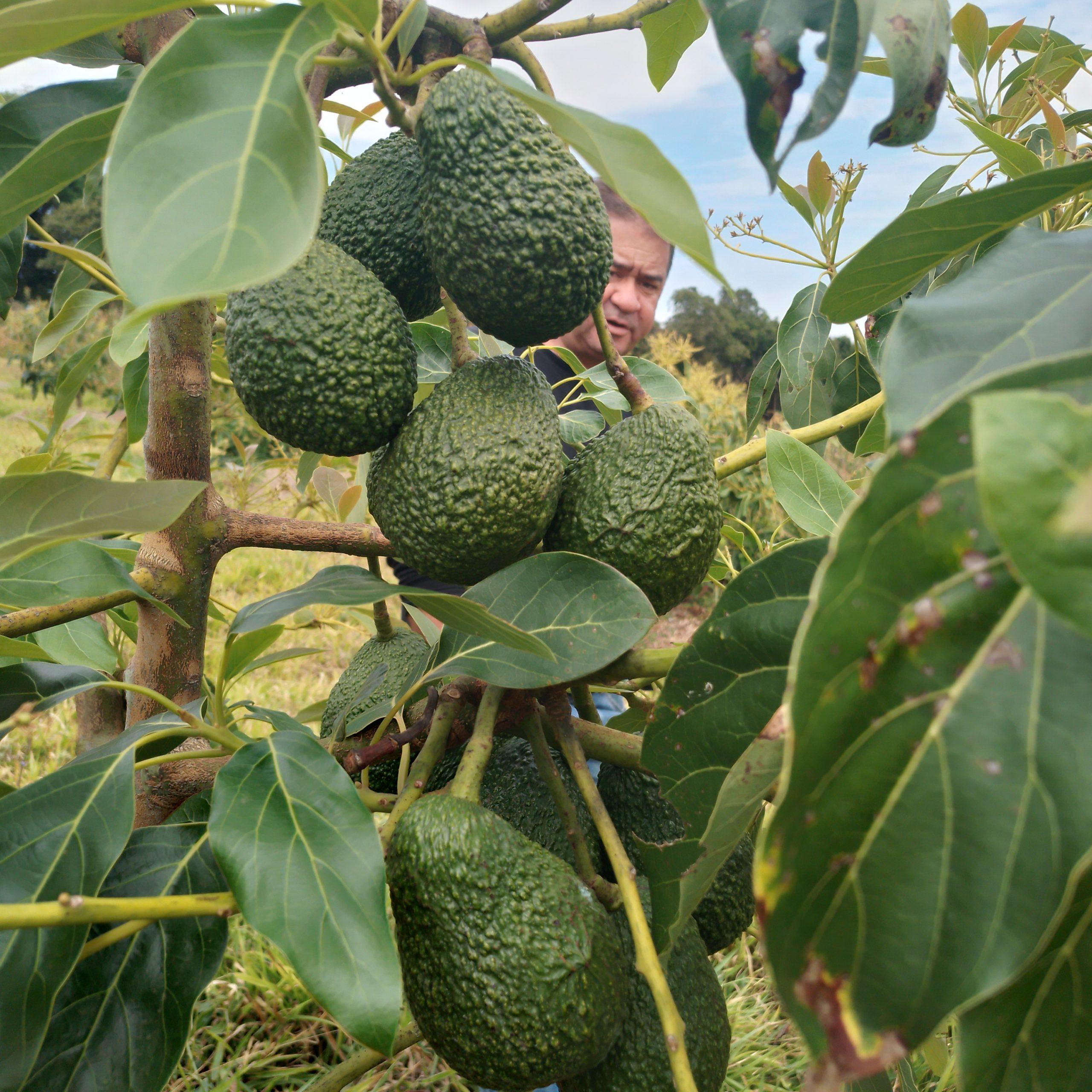
This was compounded by adverse weather conditions between the spring of 2024 and the summer of 2025, with drought and high temperatures limiting the availability of exportable fruit. As a result, a single shipment was made in collaboration with Carlini Avocados and Baika, coinciding with an event in Santiago. The feedback was encouraging: those who tasted the product highlighted its quality and flavor. According to Avobook, it was a single truckload shipped to Chile in May, marking a first step in a market that is emerging as strategic for the future.
Looking ahead to the next seasons, Brazil's export strategy is focused on South America and Europe. Within the region, in addition to consolidating its position in Argentina and Uruguay, the Chilean market is a priority, with shipments planned between February and September, especially from the end of March, when the local harvest is nearing completion and Brazilian dry matter reaches the quality levels sought by importers.
In Europe, shipments between February and April fetch better prices, as Peru does not yet have a strong presence during that period. From April onward, competition intensifies, and Brazil focuses on positioning its fruit based on its superior quality compared to Peruvian shipments.
Productive diversity according to altitude
Hass avocado production in Brazil is distributed across four main zones, each with its own characteristics that determine its harvest window and quality. In the low-lying regions of São Paulo, Minas Gerais, Paraná, and Espírito Santo, at altitudes between 400 and 600 meters, production is early and fetches premium prices, although with a greater risk of climate change due to high temperatures.
At mid-altitudes of 600 to 850 meters, also in São Paulo, Espírito Santo, and Minas Gerais, the harvest arrives shortly after, with better quality fruit and greater stability, but lower prices. In southern and northwestern Minas Gerais, at altitudes between 900 and 1200 meters, high-quality fruit is obtained with a harvest window that can extend from February to August, depending on the microclimate.
Finally, in southern Minas Gerais, at altitudes above 1,300 meters, the harvest begins in June and can extend into September and even October in the highest areas. There, the fruit ripens on the tree for 9 to 13 months, resulting in a higher concentration of oil and a distinctive flavor.
The outlook is clear: Brazil seeks to solidify its position as a reliable supplier in international markets, while simultaneously working to encourage local consumers to incorporate Hass avocados into their daily diets. This dual strategy—internationalization and strengthening the domestic market—appears to be the key for Brazilian avocados to continue climbing the global ladder, with the ambition of surpassing 50,000 tons of exports in the near future.