Baika achieves a major milestone: six certifications without findings and an expanding sustainable model
Baika took a decisive step in consolidating its sustainability strategy with the official creation of its Sustainability Committee, an entity that seeks to strengthen governance, strategic alignment, and decision-making within a context where the company is moving toward a declared Nature Positive vision. The establishment of this committee marks a new stage in the group's evolution, aimed at scaling and sustaining the progress achieved in recent years.
The creation of the Committee is the result of an internal maturation process. According to Daniel Benavides Araya, Deputy Manager of HSE & Sustainability at Baika, the company had already been developing a robust strategy, structured around four pillars and deployed through multiple projects and teams in the field. However, the explicit incorporation of the Nature Positive approach made the need to strengthen governance mechanisms evident. “With the recent explicit incorporation of the Nature Positive approach, we identified the need to strengthen our governance, improve the comprehensive management of sustainability issues, and give greater focus to results,” he states.
The new Sustainability Committee will be chaired by Baika CEO Pedro Jaramillo and will include key executives from various areas of the business, including operations, finance, human resources, capital, and regional units. Daniel Benavides will serve as project leader and executive secretary, responsible for coordinating the agenda, monitoring agreements, and supporting the implementation of defined projects.
From a strategic management perspective, the Committee is conceived as a high-level forum where sustainability is no longer addressed in isolation but is directly integrated into core business decisions. “Many sustainability decisions are directly linked to operational, financial, and investment decisions, so this forum facilitates the integrated analysis of these variables,” explains Benavides. In this sense, the Committee will allow for the review of risks, opportunities, priorities, and resource allocation, ensuring consistency with the roadmap and a long-term vision.
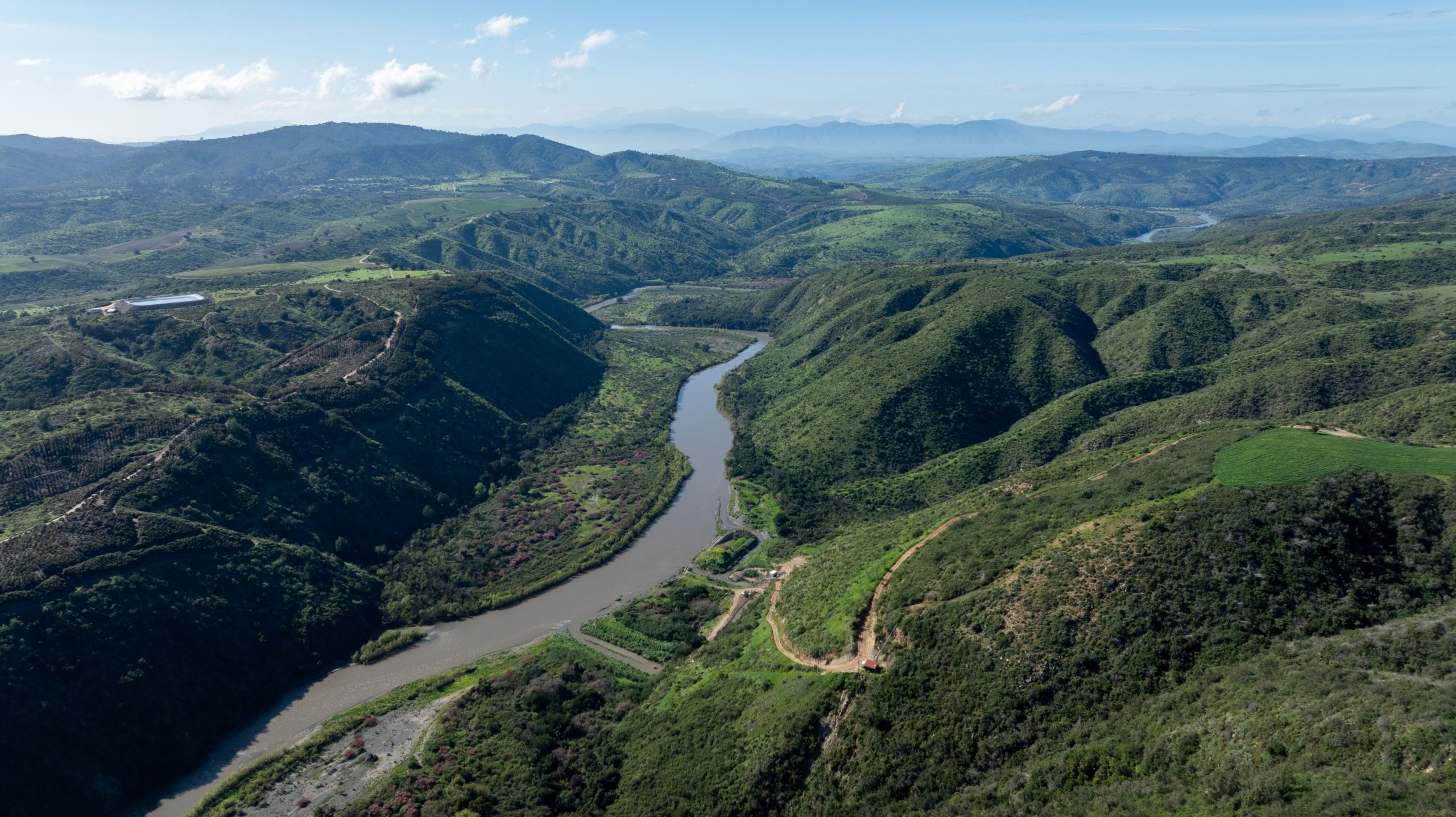
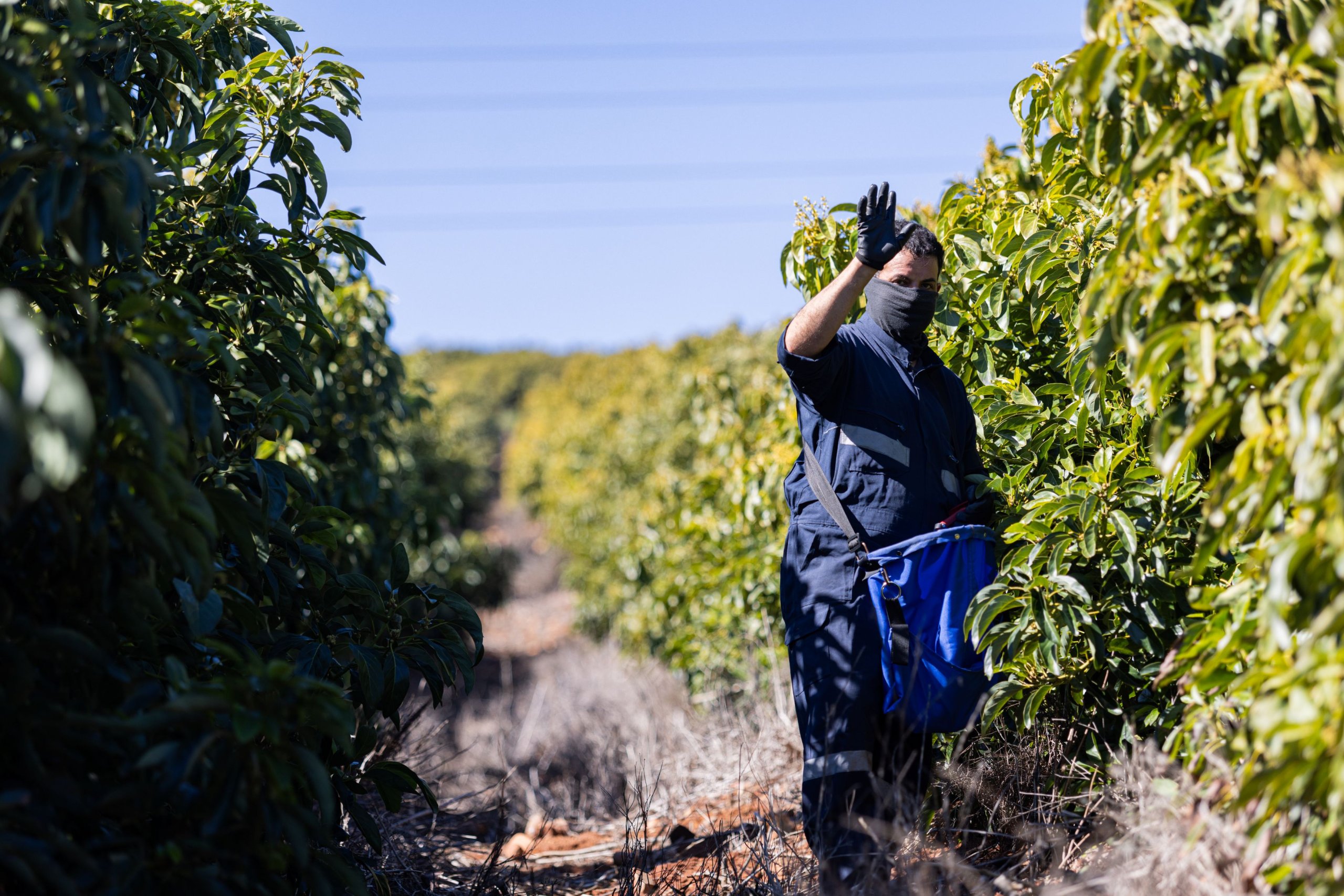
One of the Committee's key challenges will be coordinating its work with Baika's operations in various countries. Currently, the company has permanent teams working across departments, both in sales and packing—where the Baika Sustainable strategy is driven with a focus on customers and markets—and in the fields, through the Back to the Basics strategy , which combines regenerative agriculture practices with precision agriculture technologies. These teams work in coordination with local sustainability managers and the various business units in Chile, Mexico, Spain, Colombia, the United States, Morocco, and Peru.
In this context, the Committee plays a guiding and coordinating role, ensuring strategic coherence among countries and alignment in implementation. According to Benavides, the key internal stakeholders in this process are country managers , business unit leaders, project managers, and the HSE, certification, and quality teams, who are fundamental in translating the strategy from planning to action on the ground.
Looking ahead, the Committee aims to generate clear impacts in both the short and medium term. Initially, the focus will be on increasing the visibility and clarity of the sustainability strategy and roadmap, both internally within the company and with its key stakeholders. In the medium term, the expectation is to move forward with the implementation of concrete projects related to biodiversity, emissions reduction, nature-based solutions, community engagement, and employee well-being.
The vision behind this effort is clear. “We firmly believe that agricultural production can be developed in harmony with nature, and even actively contribute to its regeneration,” says Daniel Benavides. This purpose guides the work of the new Sustainability Committee and is what Baika seeks to consistently realize over time, consolidating a production method that not only minimizes impacts but also generates integrated environmental, social, and economic value.