Baika achieves a major milestone: six certifications without findings and an expanding sustainable model
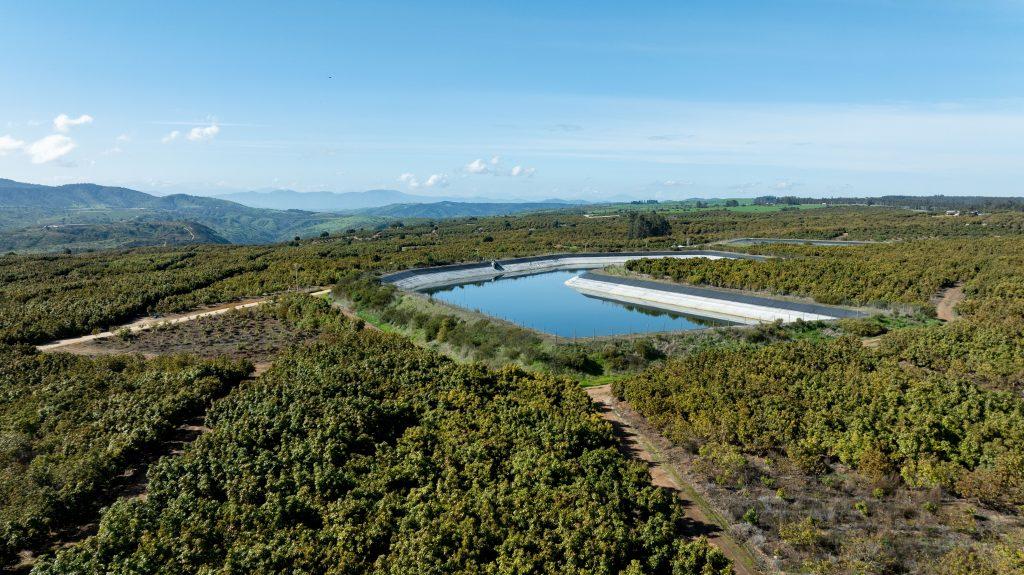
Baika achieved an exceptional milestone: Valle Leyda obtained for the second consecutive year 100% compliance in six demanding international protocols, without any findings, while the company advances in a sustainability model that integrates innovation, regenerative agriculture and an environmental strategy focused on carbon, water, soil and biodiversity.
Baika concluded its most recent audit cycle with an extraordinary result: the Valle Leyda field achieved 100% compliance with the GLOBALG.AP, GRASP, FSMA, NURTURE, SPRING, and LEAF MARQUE protocols for the second consecutive year, completing all reviews without any findings. This feat, unusual in audits of this level of rigor, reaffirms the company's technical, operational, and human commitment to its agricultural operations.
The performance of Valle Leyda—led by its manager, Diego Pérez-Cotapos—once again positions the field as an internal benchmark and an example for the rest of Baika's operations. The result confirms the strength of its daily standards: from compliance with environmental regulations and the condition of facilities and machinery, to water resource management, risk prevention measures, and, especially, the care shown to employees and contractors.
For Loreto Bravo, Certifications and Environment Coordinator at Baika, the achievement represents much more than a successful audit. Having passed all six protocols without any issues, she emphasizes, means that in Valle Leyda “a culture and way of working that has been gradually developing for years is now being consolidated.” This operational maturity, built collaboratively by different teams, allows them to face a scenario where future audits will be unannounced with greater preparedness.
Coordinating them simultaneously, he acknowledges, was not without its challenges. “The biggest challenge is aligning with the harvest seasons,” he says. However, it also became a strategic decision: “While it sounds challenging, it’s much more efficient in terms of logistics and costs.”
The human factor remains key to performance. Bravo emphasizes that practices such as daily coordination and cross-functional commitment have been crucial: “Good communication and commitment are fundamental to achieving these results, in addition to a solid understanding of the business.” He also values the work of the certification team that operates directly in the fields, “who ensure compliance with and monitoring of good agricultural practices every day of the year.”
Although certifications address specific client requirements, their impact extends beyond mere documentation compliance. Bravo explains that these standards "position us better for entering new markets," an effect that is amplified when audits are not only passed but also completed without any findings.
Daniel Benavides, Deputy Manager of HSE and Sustainability at Baika, elaborates on this point, emphasizing the value these accreditations bring to international buyers: “They represent a set of best practices in agricultural management, monitoring, and productivity improvements, such as maintaining water balances, developing improvement and efficiency plans, measuring the carbon footprint, and verifying compliance with labor regulations.” In his view, these certifications guarantee that the company's fields “operate at a high level of excellence,” allowing customers to have complete confidence in the fruit and its environmental impact, which in turn helps “strengthen long-term relationships.”
The intensive work of the past year required adapting to new, stricter versions of the protocols. The process involved delving deeper into topics such as biodiversity and the management of environmental indicators. “We’ve done much more in-depth work on biodiversity,” explains Bravo, highlighting the contribution of external consultants who have helped build “more robust and consistent short- and long-term management plans.” The coordinator also acknowledges the team’s satisfaction: “I’m very happy that the meticulous work we did has borne fruit (…) and it went really well for us.”
Sustainability: certifications as the driving force behind Baika's business model
The achievement of these certifications coincides with Baika's accelerated progress in sustainability. According to Benavides, the company now operates under a strategy focused on people, communities, and environmental management, prioritizing critical areas such as carbon, water, soil, and biodiversity.
The certifications obtained directly reinforce this model: “They strengthen the credibility of our sustainability practices and ensure compliance standards, while reinforcing baselines and internal processes.” Having this process verified by third parties, he adds, guarantees complete transparency.
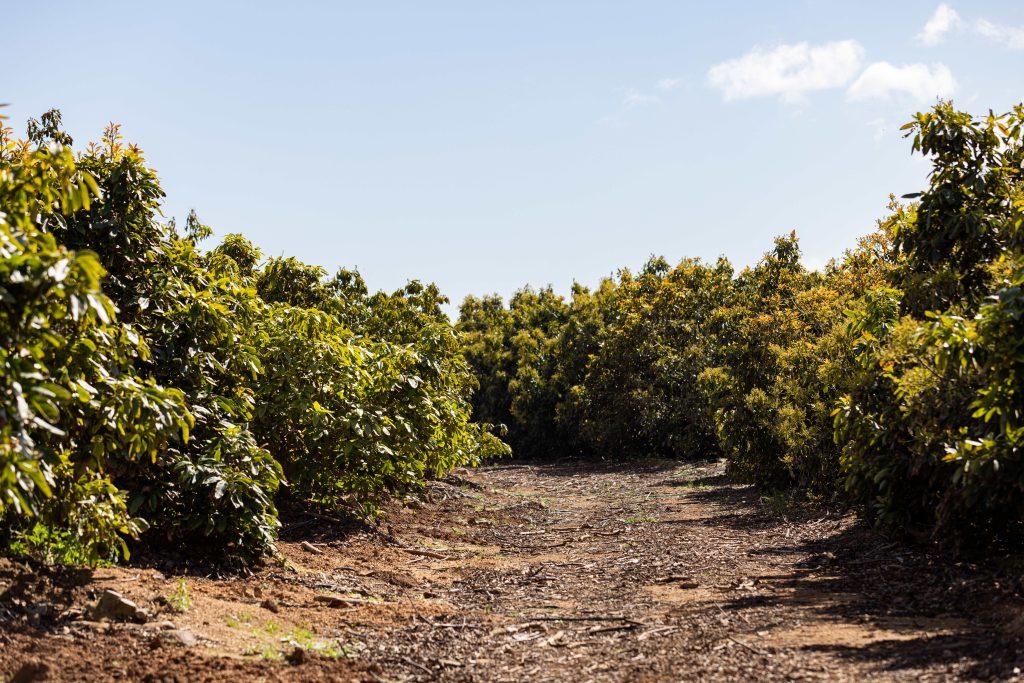
In recent times, Baika has driven concrete progress, especially in environmental management and regenerative agriculture: measuring carbon sequestered in soils, replacing nitrogen fertilizers with organic alternatives, and implementing practices to improve soil health. This is complemented by technological and agricultural innovation, considered a key element in moving towards a more efficient model.
Benavides highlights internal initiatives such as Biopollen's assisted pollination, along with collaborations with Agritech ventures like Neutral Farming, which are developing "models of excellence" applied to precision agriculture and environmental mitigation.
Baika's next steps aim to further strengthen its integrated vision of sustainability. The company will deepen its "Back to the Basics" strategy, which combines traditional farming practices with modern technologies to improve efficiency and resilience. Biodiversity will continue to be a central focus of future actions, reinforcing a perspective that not only responds to market demands but also promotes an agricultural model in harmony with its environment.