Avobook strengthens ties with avocado producers in Morocco: a look at the potential of the Moroccan sector
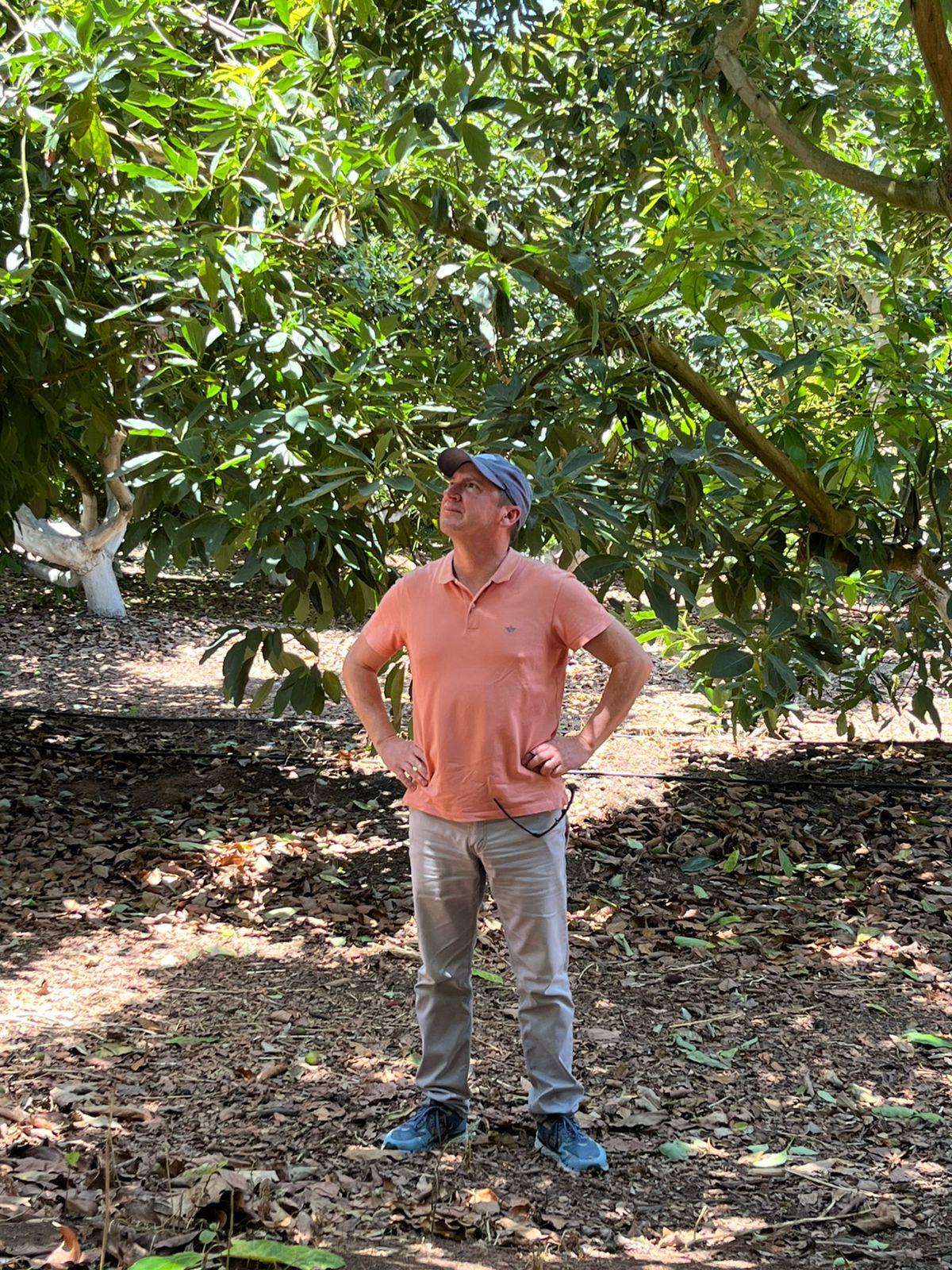
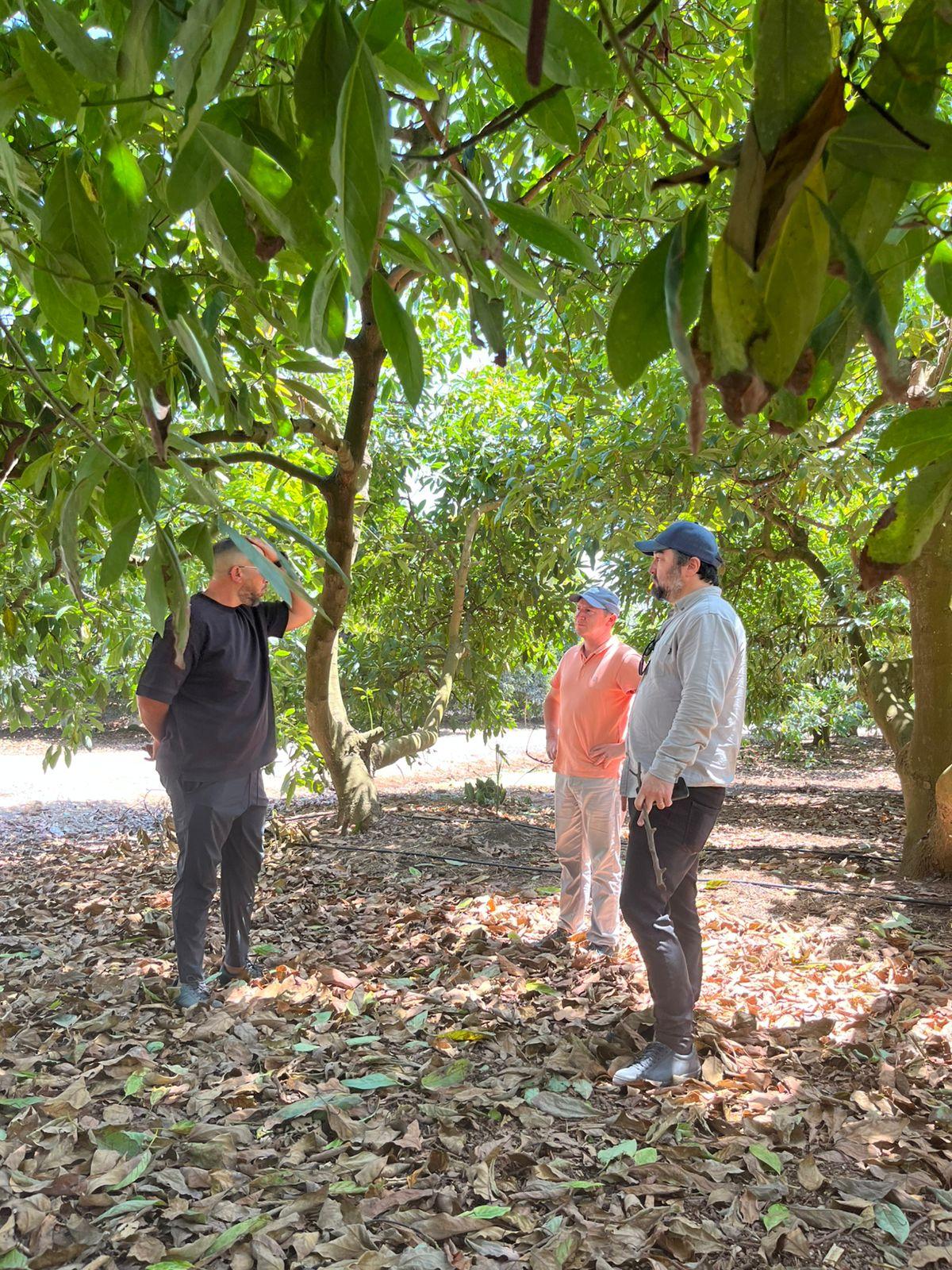
During a recent courtesy visit, representatives from Avobook, along with Chilean producer Gonzalo Merino, general manager of Agrícola y Exportadora Los Molinos, toured various avocado-producing regions in Morocco. The trip, which included stops in Larache, Kenitra, and areas near Rabat, aimed to gain firsthand knowledge of agricultural conditions and establish connections with key players in the Moroccan sector, such as Yassin Chaib, manager of Mavoca, and to visit one of the country's largest producers.
The visit confirmed the sustained development of the avocado industry in Morocco, a country that has established itself as one of Spain's main suppliers since the beginning of 2025. According to figures from the Spanish Tax Agency's Customs and Excise Department, between January and March of this year, Morocco exported more than 29,000 tons of avocados to Spain, valued at €72.8 million. This volume represents a 73% increase compared to the same period in 2024, temporarily displacing Peru as the main supplier during that time.
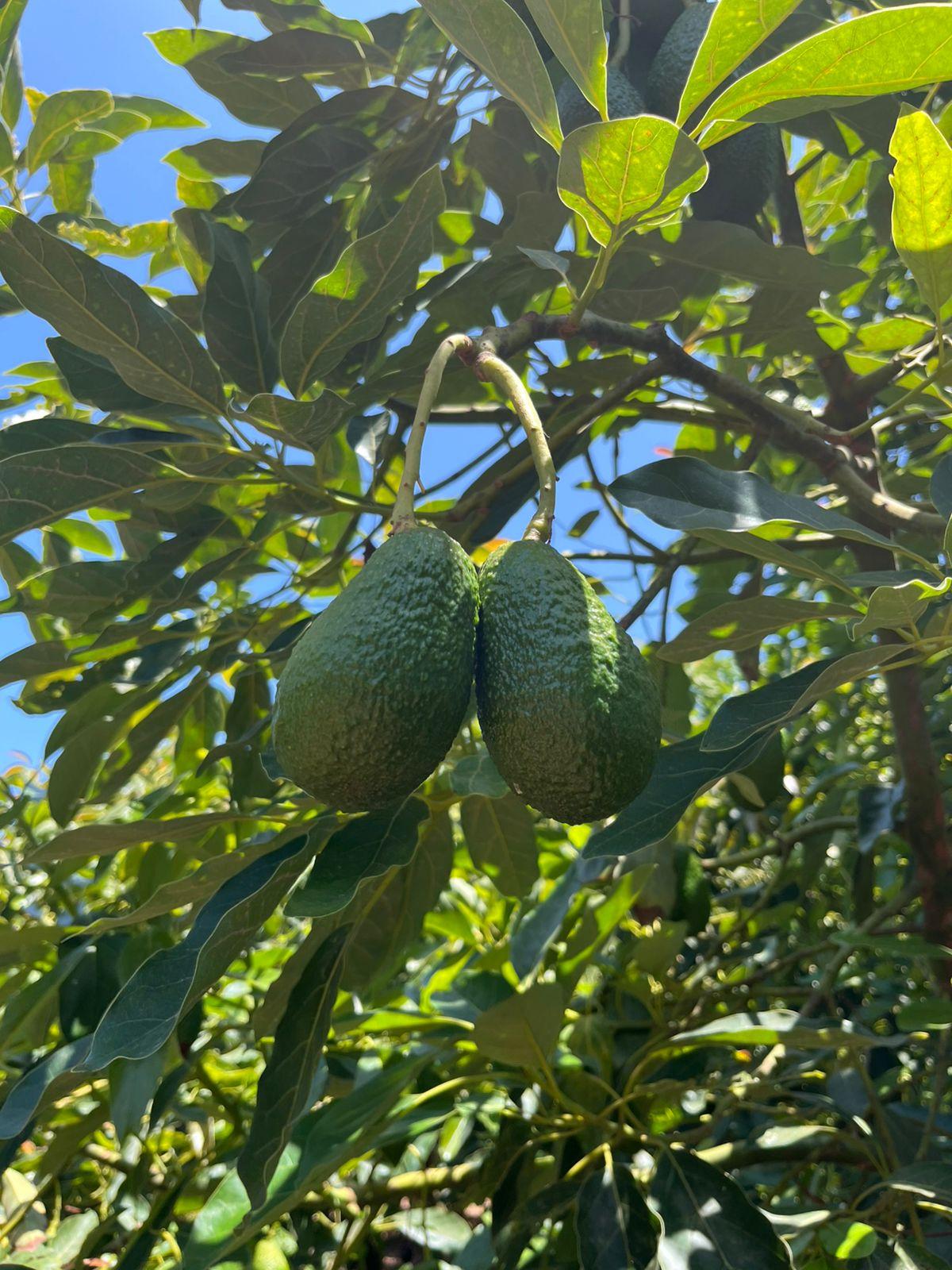
For Gonzalo Merino, the experience was eye-opening. “I was pleasantly surprised. The orchards I saw were vigorous and laden with fruit. It’s clear that Morocco’s rich soil and climate are ideal for cultivating healthy avocados,” he commented. He especially highlighted the proximity to the Atlantic Ocean as a factor that favors avocado cultivation compared to other Mediterranean regions, as well as the availability of water and the incorporation of advanced technology in irrigation systems. “The plantations use ring filters, drip emitters, and irrigation stations powered by solar panels, demonstrating a commitment to efficiency and sustainability,” he added.
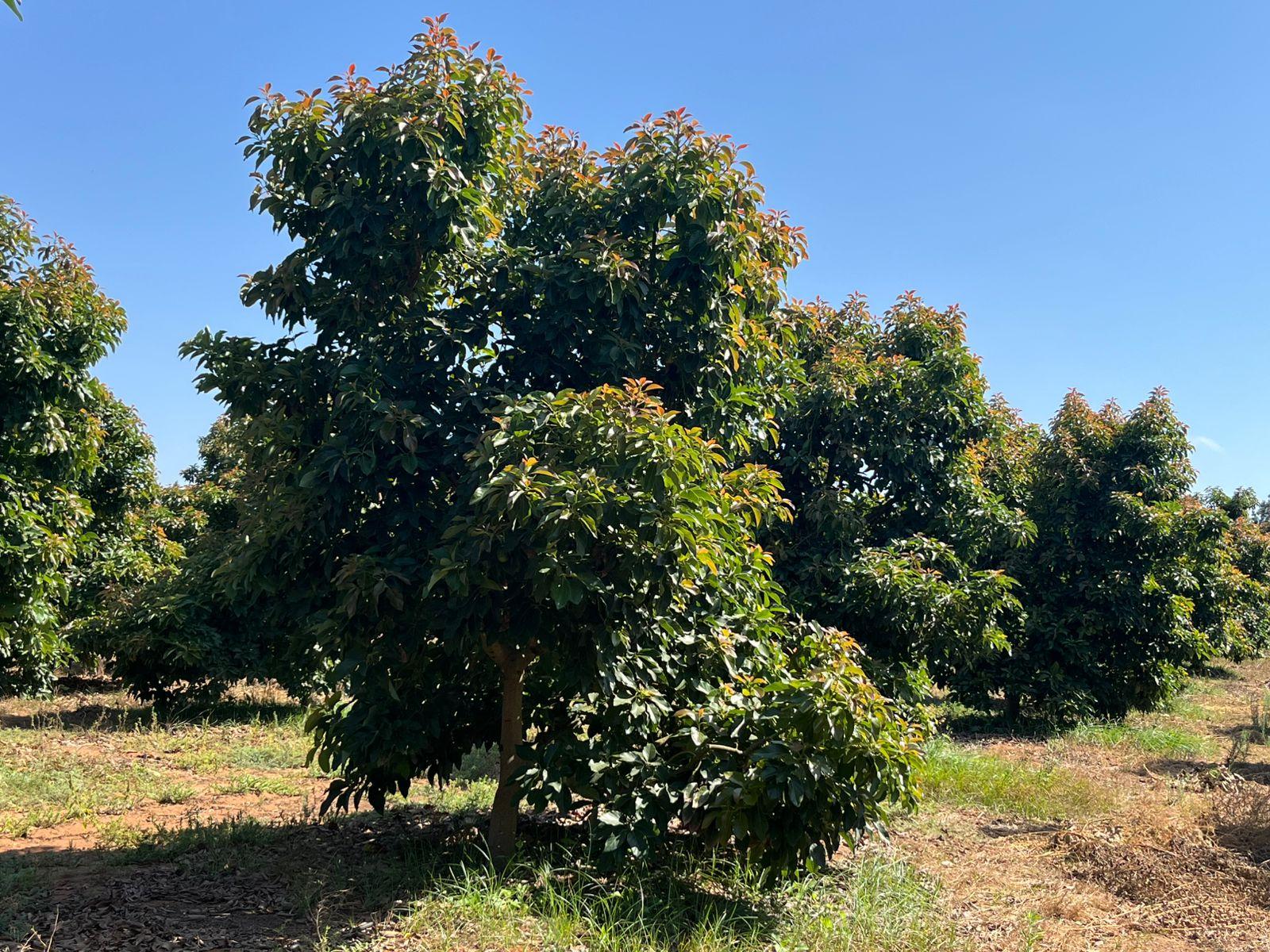
Moroccan avocado production is concentrated mainly in the coastal strip between Rabat and Larache, which accounts for 90% of the total. This area has a milder microclimate compared to other regions of the country, which helps to mitigate the effects of the extreme summer heat, which can exceed 40 degrees Celsius.
Yassin Chaib also stated that the visit was an opportune moment to exchange information and experience: “It has been a very fruitful visit, as we have learned a lot about avocado cultivation, thanks to Sebastian and Gonzalo’s experience.”
Sebastián de la Cuadra, CEO of Avobook, highlighted the strategic value of Moroccan avocados for the European market: “One of the advantages of Moroccan avocados is their proximity to the European market, meaning the fruit doesn't travel as far, which reduces damage and allows it to arrive in better condition.” De la Cuadra anticipates significant growth for the country as a key supplier between December and April, not only for Spain but for the entire European continent. “Morocco will be a major volume supplier to Europe during the period of low European production,” he stated.
However, he cautions that success will depend on maintaining high quality standards. “The key will be to avoid harvesting fruit with low dry matter content,” he emphasized, stressing the need for Moroccan producers to continue prioritizing quality to consolidate their position in demanding European markets.
With domestic production reaching 130,000 tons in the 2024/25 season—of which approximately 100,000 tons were exported, according to data from the Moroccan Avocado Association (MAVA)—Morocco is emerging as a significant competitor to Latin American giants. Although the country faces challenges such as water scarcity and government restrictions on irrigation, the sector has adapted and remains optimistic.
Avobook's visit, along with Chilean producers, reflects the growing international interest in Morocco's avocado production model, which combines logistical advantages, favorable climatic conditions, and a commitment to technology. In a competitive global landscape, Morocco appears poised to establish itself as a key partner in European supply chains in the coming years.