Moroccan avocados: The emerging origin that is conquering Europe
In recent years, Morocco has emerged as a prominent player in the international avocado market, a fruit that has gained global popularity for its versatility and health benefits.
With over 10,000 hectares under cultivation, the country exported nearly 60,000 tons in the 2023-24 season, solidifying its position as one of Europe's leading suppliers. This rise is no accident: it is the result of strategic investments, technological innovation, and a clear commitment to quality.
Yassin Chaib, manager of Mavoca, one of the pioneering companies in the export of avocados from Morocco, offers us a privileged perspective on this evolution.
A family business that aims for quality
Mavoca's story is deeply rooted in family farming tradition, having been dedicated to fruit exports for over three decades. It was in 2009 that Yassin Chaib's mother decided to venture into the avocado market, just as the crop was beginning to take off in Morocco. Today, the company is recognized as a pioneer in the sector, offering high-quality products and providing technical support to local farmers to improve production. Furthermore, it boasts an experienced international export team, ensuring premium service for its global clients.

"We started with 300,000 kilos in our first year. Today we handle between 4 and 5 million kilos annually, and we expect to double that figure in the next five years," says Chaib. This exponential growth reflects both the increasing demand and the sector's ability to adapt to international quality standards.
According to Yassin, the European environment has been key to this growth. "Our geographical proximity is a competitive advantage. While avocados from Latin America take weeks to arrive, we can supply markets like France, Spain, Germany, and the Netherlands in just three or four days," he explains. This speed not only ensures freshness but also a smaller carbon footprint, a factor increasingly valued by consumers.
“Spain, in particular, accounts for 60% of our exports due to its high demand and the commercial infrastructure that facilitates distribution. The rest of Europe absorbs 40%. However, as we increase our production, we are considering expanding into Asian markets such as China, which offer enormous potential for the future,” he stated.
Challenges and strategies in the sector
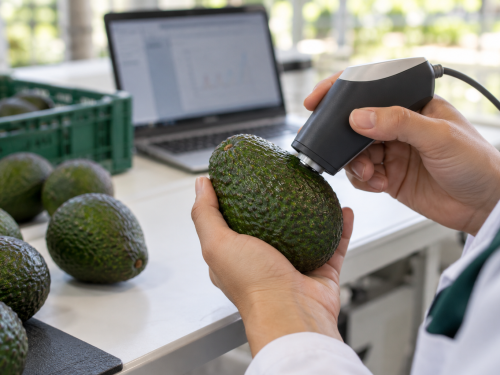
The road to success has not been without its challenges. One of the biggest obstacles has been quality regulation. Until a few years ago, producers could export without rigorous controls, resulting in inconsistencies in avocado ripeness. "Now we have minimum dry matter standards before exports begin, which has significantly improved the perception of the quality of Moroccan produce," Chaib points out.
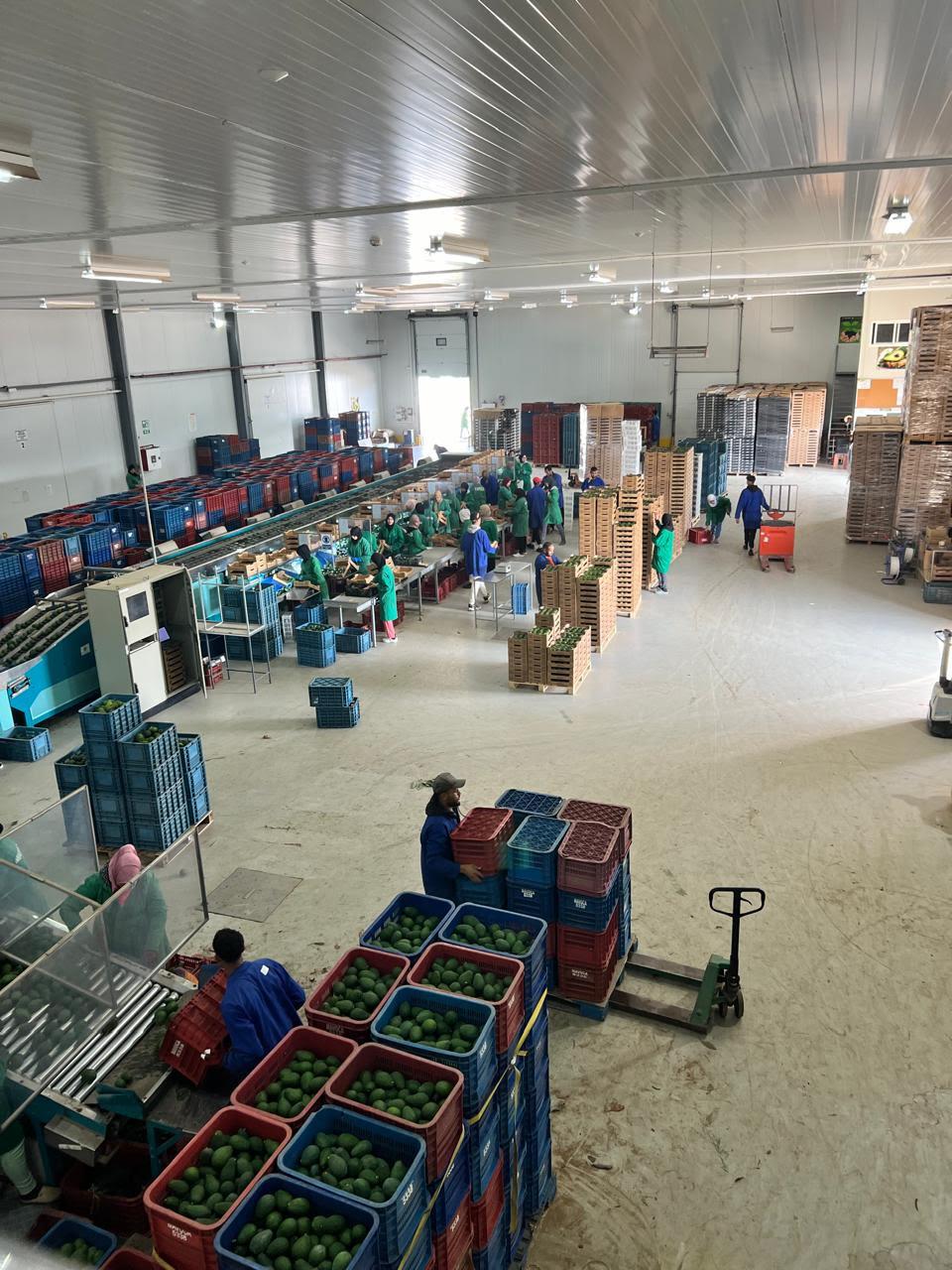
Another major challenge has been market stability. "Producers were used to high prices, but this year prices have stabilized. This creates some uncertainty, but it also forces us to be more competitive," he adds. Despite these fluctuations, Yassin remains optimistic: "We are investing in infrastructure, machinery, and training to be prepared for the upcoming increase in volume."
One of the most outstanding aspects of Moroccan avocados is their quality. "Our sizes are exceptionally good. This year, the weather has been mild, which has allowed the trees to develop better and the fruit to have exceptional quality," says Chaib. According to him, improvements in cultivation techniques have been key. "Producers have evolved tremendously. Today we see much more sophisticated practices that guarantee the consistency and quality of the product."
Furthermore, sustainability is at the heart of Mavoca's strategy. "We face water limitations, but we have implemented efficient irrigation systems and technologies that optimize water use," he explains. This, combined with its proximity to Europe, allows Morocco to position itself as a competitive and responsible source.
Looking ahead, Mavoca and other exporters are exploring new markets, with Asia as their primary target. "The Chinese market is an incredible opportunity. Its population and growing interest in healthy food make it a strategic destination," says Chaib. However, the focus remains on consolidating their position in Europe. "Spain, France, Germany, and the Netherlands account for 90% of our exports, but we want to diversify."
The manager also points out that the sector's success will depend on collaboration between the public and private sectors. "We need policies that support producers and exporters. Sustainability and innovation must be shared priorities," he concludes.
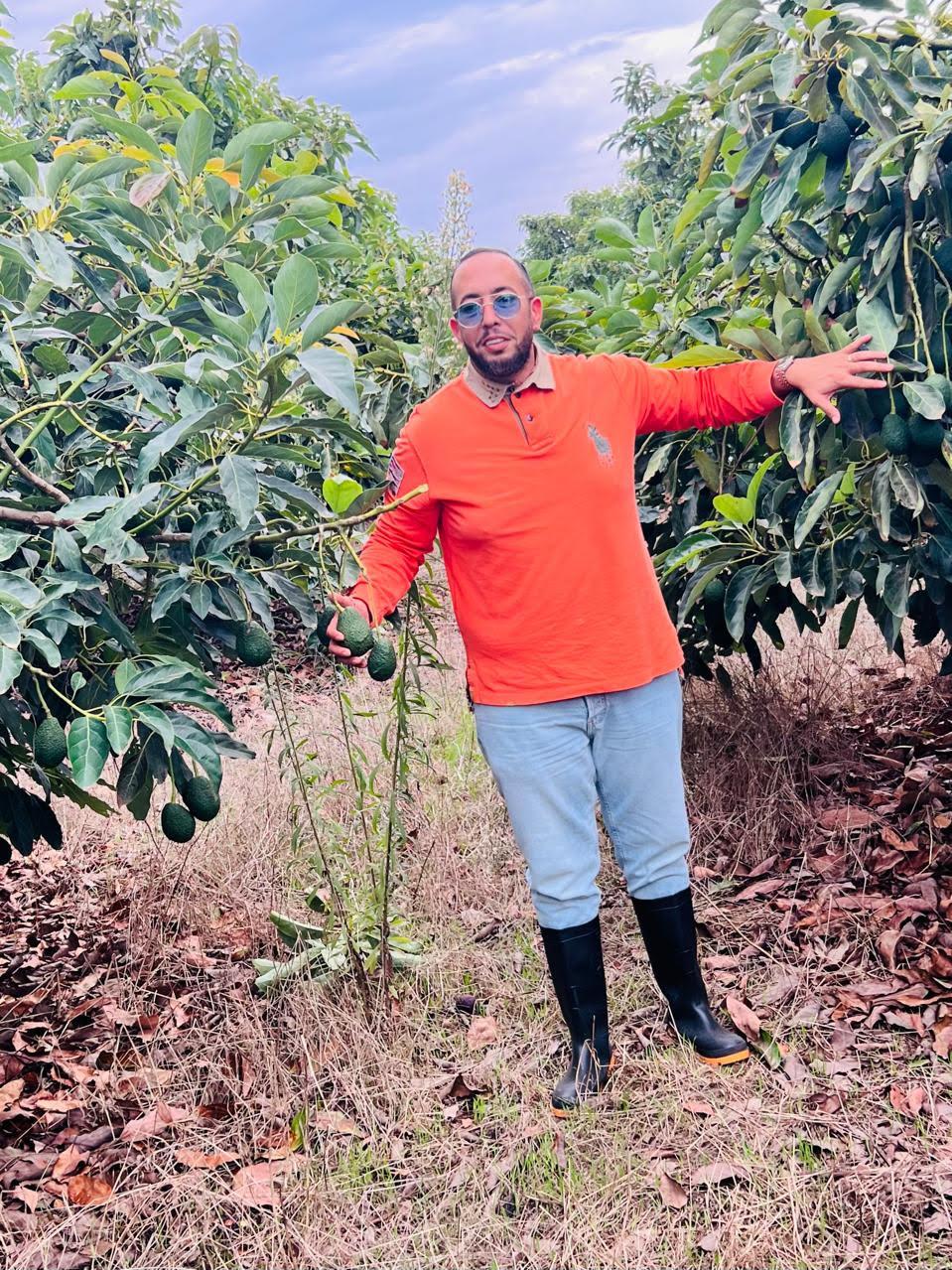
For Yassin Chaib, Morocco is a "goldmine waiting to be discovered." With an ideal climate, proximity to major markets, and ever-increasing quality, the country has all the potential to become a global leader in avocado production. "Our story is just beginning. I am convinced that in the coming years we will see an even greater boom in the production and export of Moroccan avocados," he says enthusiastically.
Looking ahead, the projections are promising. If weather conditions remain favorable, Morocco could reach annual volumes of up to 300,000 or 400,000 tons within five years, solidifying its position as a leading source in the global market.
It seems that this is just the beginning of a promising story for Moroccan avocados.