Avocado growers in Jalisco overcome an atypical year and project a better 2025
The president of the Association of Avocado Producers and Exporters of Jalisco, Mexico, spoke with Avobook, explaining that they are focusing on quality and market diversification to face the risks of the business.
Jalisco is one of the world's most important avocado-producing states. While its production doesn't reach the enormous volume of Michoacán, its focus is on the quality and sustainable production of its fruit.
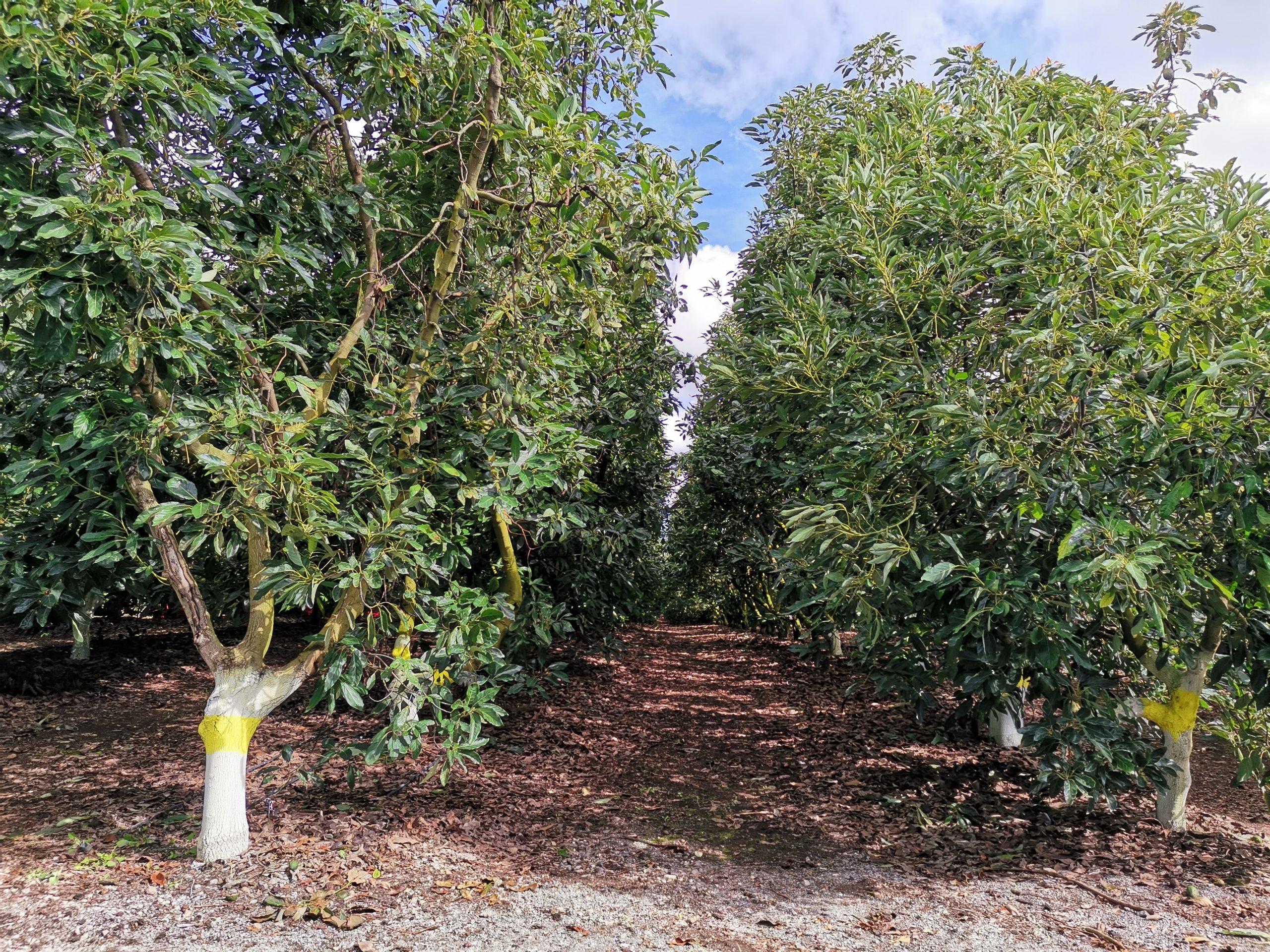
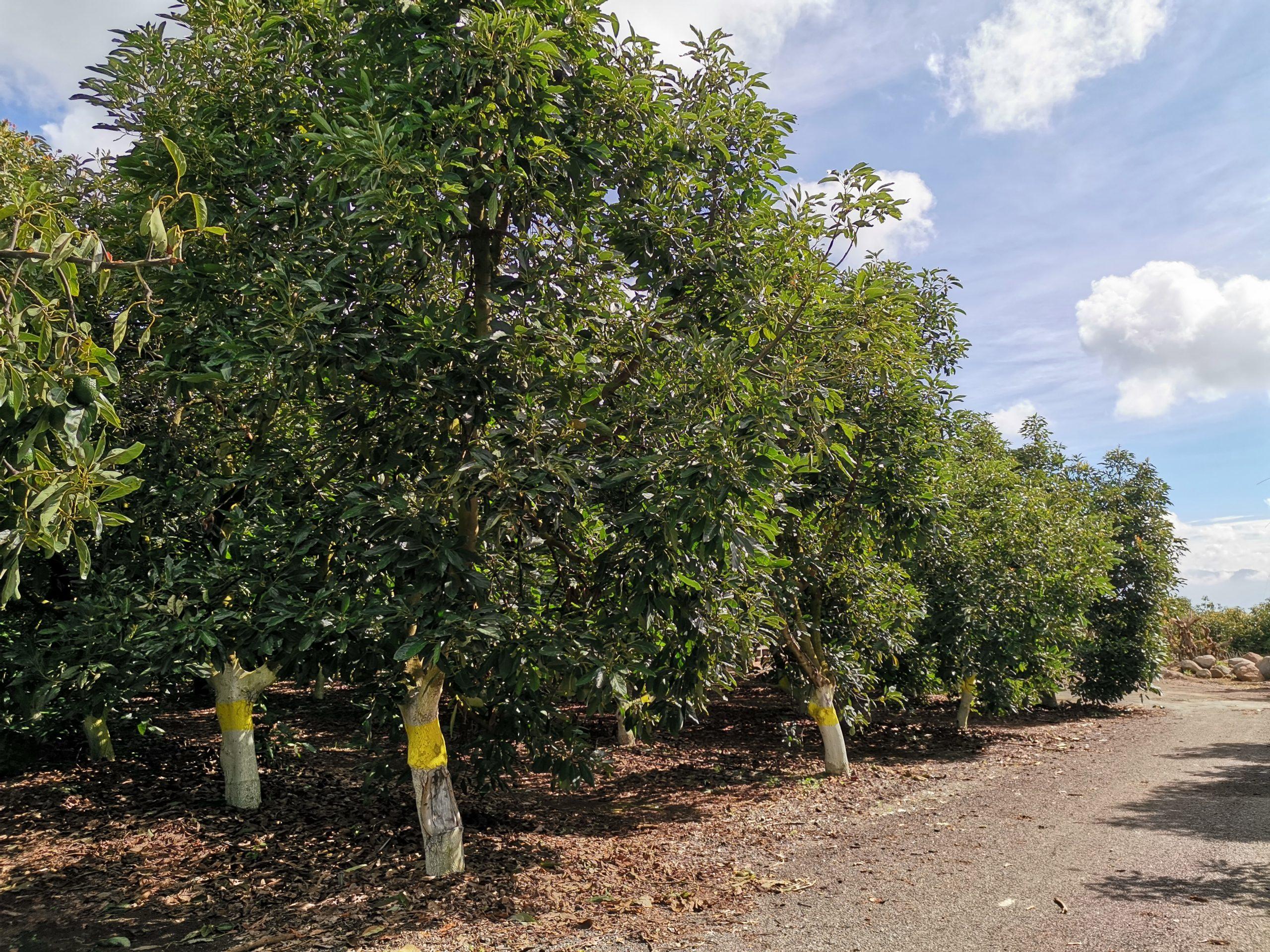
This is what Eleazar Oseguera Aguayo, president of the Association of Avocado Producers and Exporters of Jalisco, told Avobook, who says that the main quality that differentiates his production is "the technology and the management that we have given to the tree and the fruit, with irrigation, fumigation, daily work, with small trees that we do not let get too big, which allows us to have a great capacity for renewal."
“All of that means that, for example, a new branch will have large fruit,” he says.
Although it has not been a particularly strong year in terms of usual sizes, weather factors influenced the size of the fruit and, consequently, the total tonnage with which the 2024 season is concluding.
In this interview, the representative of the avocado growers of Jalisco details how the year ended and shares some projections for 2025, stating that the collaboration between all actors in the business chain has been key to facing the challenges.
“We want everyone to feel like entrepreneurs rather than farmers,” he declares.
A state that contributed 350,000 tons
Currently, Jalisco is contributing approximately 350,000 tons of fruit. That's the figure they're closing out the season with, which is lower than usual due to the smaller size of the fruit that characterized the harvest. A large portion of this volume goes to the United States, although—Oseguera admits—"the goal is for all of that fruit to be destined for the United States."
“But right now we’re only sending between 120,000 and 140,000 tons to the United States per year. The rest goes to other markets, such as Japan, Canada, Europe, Central America, and the domestic market, which has high consumption and is a market we can’t neglect,” Oseguera explains.
- What percentage of Jalisco's production remains in the national market?
“About 35-40%. Because we have many municipalities that are in the certification process. Of the municipalities that are already certified for the United States, I believe that 70% of their production goes to the United States.”
- And of those municipalities, how many produce avocados to send to the United States?
“We have 15 municipalities, with 22,605 hectares already certified and authorized to ship to the United States. We have 5 more municipalities on the verge of being authorized as well. We believe three will be authorized this month. And I think the other two will be ready to ship in July or August.”
- How long does the process take between authorization and the start of exporting that fruit to the United States?
“Once the authorization process is complete, there are about six months left before we can ship, because we have to do several jobs in the municipalities: That's why we project that they will be ready to ship starting next season, from May onwards.”
2024: an “atypical season”
The advantage of Jalisco is that it has avocados year-round. There are peak harvest periods in May, June, July, and August. Another high-harvest period is currently underway, beginning in November and ending in February.
“In 2024, 350,000 tons were produced, but it was very atypical,” explains the president of APEAJAL.
Why was the 2024 season so atypical?
“What drove the market in 2024 was size, not volume or quality. Large sizes are highly sought after, while small sizes are clearly abundant. We're averaging between 15 and 18 tons per hectare. And there are areas where production reached only 9 tons. It wasn't so much due to a lack of fruit, but rather the weight, because the avocados were actually quite small.”
- Did the lack of water impact the crops, as happened in Michoacán, or were there other factors?
“Our orchards are technologically advanced, unlike in Michoacán, which is very dependent on the weather. But we did have severe heat waves and heat waves. Even with irrigation, the ambient heat was the problem. There were sudden temperature changes in a single day, which killed a lot of the pollen and prevented the flowers from being pollinated. So, a lot of the fruit was very small. And all those factors caused a drop in production. In some areas, the temperature reached 38 degrees Celsius, when it usually gets a maximum of 34. That's about 4 or 5 degrees higher than normal. And at night, the minimum temperatures dropped to 6 degrees Celsius, which hurt us a lot.”
- How would you summarize the year-end results for the business?
“Right now we’re selling at a good price; we sold at a good price almost all year, but the quantity is what decreased. We didn’t have any problems with fruit going to waste. Even with smaller sizes, it came out slowly, but it did come out. Thank God Jalisco has higher elevations where there was large fruit. In fact, we’re currently harvesting large fruit and it’s fetching a good price. But in the vast majority of lower elevations, large fruit wasn’t harvested.”
- Could it be said that what was lost in tons was recovered in price?
“Yes, that’s how it was. When production is low, the price increases a lot.”
Avocado from Jalisco looking towards Japan, Canada, Chile, Brazil and Malaysia
Jalisco knows that exporting all its fruit to the United States is a process that must wait. But it also knows that focusing all its attention on a single market is risky. This is especially true considering the region's political climate, with the fear of increased tariffs on Mexican imports from its northern neighbor.
Therefore, they are knocking on doors in other markets with which they have a relationship, in addition to those where they believe they may have good opportunities.
- Besides the United States, which markets performed best during 2024 and are projected to continue growing?
“In Canada and Japan, growth has been 10 or 15 percent. We have the capacity to deliver quality fruit to them, and they like it very much.”
- Do you plan to make a strong comeback in Europe?
“There aren’t many sales in Europe, due to marketing problems and because Peru enters the market with full force, making it difficult to compete there. But sales in Japan and Canada are much more significant for us. And Central America, which is almost a local market.”
- Are there options to conquer new markets, such as Chile, which is a relevant producer, but is also a large consumer, with a constantly growing demand?
“As Jalisco, we face limitations because the agreements signed with other countries, for example, with Chile, didn't refer to Mexico as a whole, but rather to Michoacán, because there weren't any more avocados in other states and, therefore, no markets. So now that the situation has changed, we have to modify the protocols to be able to export avocados to all the countries that produce them, or even to those that don't but have consumption windows, like Chile, which consumes 100% of its avocados after March. But we can't send them directly because the protocol prohibits it. We're working on that.”
- Which other countries do you plan to enter?
They also came from Brazil, Malaysia, and many other countries. We're waiting for the agreement to be signed so we can enter those markets and take advantage of the upcoming opportunities. For example, Malaysia buys a lot from Australia, but when Australia's avocado production declines, they're the ones who fill those gaps. Since Mexico has avocados year-round, these are the opportunities we can capitalize on.”
- When do you plan to start exporting your avocados to Chile?
“We expect the protocol to be released this year. They've already come to do all the tests and inspections of the packing facilities and orchards. Everything was completed. We're waiting for the signature. The expectation is to be formally ready to enter the market in 2025, and to start harvesting for Chile in May or later.”
Start 2025 with 17,000 tons for the Super Bowl
One of the most important times of the season for Mexican avocados coincides with the weeks leading up to the Super Bowl, a sporting event where demand for avocados increases exponentially. In the case of Jalisco, the harvests of the last few weeks have given a good indication of what can be expected from that event.
“We’ve been preparing to ship 17,000 tons during the 20 days leading up to Super Bowl week. We have large-sized avocados in the harvest, and we’re shipping a significant amount of good-sized fruit. We have perfect dry matter content. We always maintain high quality so that U.S. consumers understand that Jalisco avocados are very different because of their superior quality,” says the president of APEJAL.
- Looking ahead to the upcoming season, will you face a similar scenario or will you be able to recover your caliber and volume?
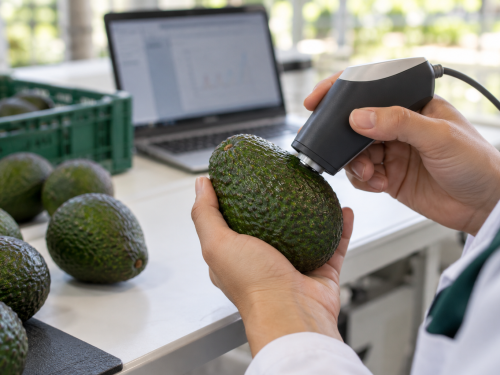
“ As we can see, the orchards are doing quite well right now, with a heavy fruit load. We hope to have high-quality fruit for export. That's our top priority. But above all, we're very careful with the dry matter content, because to open markets, we have to send quality fruit. Sometimes that slows down our harvests a bit, because we have to wait until the dry matter content is in optimal condition to ship. We all agree on that. Otherwise, rejections or poor fruit quality mean consumers won't buy. But we're prepared to have a good season working.”
- What should Jalisco's production be by 2025?
“The number of orchards that were already growing has increased. We should exceed 400,000 tons. As more municipalities open up to export to the United States, we'll see an increase there. We expect to reach 200,000 or 220,000 tons of production for the United States this year. This is due to the new municipalities, those that started mid-season, and the orchards that are currently expanding.”