Avocado growers from Guatemala: “What we have done in Europe will help us to enter the United States”
The president of the Guatemalan Avocado Producers Association (Anaguacate) spoke with Avobook to explain the characteristics of the industry in that country and everything they are doing to start exporting to North America.
Francisco Viteri García-Gallont is the president of Anaguacate, the acronym for the Guatemalan Avocado Producers Association. He assumed this role through his partnership with Agropecuaria Popoyán, an agricultural company that produces and exports various fruits and vegetables, including avocados, where Viteri serves as the agricultural director.
Agropecuaria Popoyán is dedicated to the production and export of pineapples, tomatoes, and chili peppers. They had their first experience with avocados several years ago when Francisco's father ventured into planting the fruit, but it didn't yield the expected results.
“But over time we have learned,” the president of Anaguacate tells Avobook, acting as spokesperson for an organization that brings together more than 3,000 producers of different sizes, who have believed in the Hass avocado as a business with great potential for their country, in which they are gaining ground, calmly and with a lot of work.
In this interview, Francisco Viteri Garcia – Gallont helps us to construct a picture of the “Guatemalan origin”, which is growing rapidly and has its eyes on the United States, as the great leap that this industry wants to make in the next four years.
- How did you get into the world of avocados and how did Popoyán get involved?
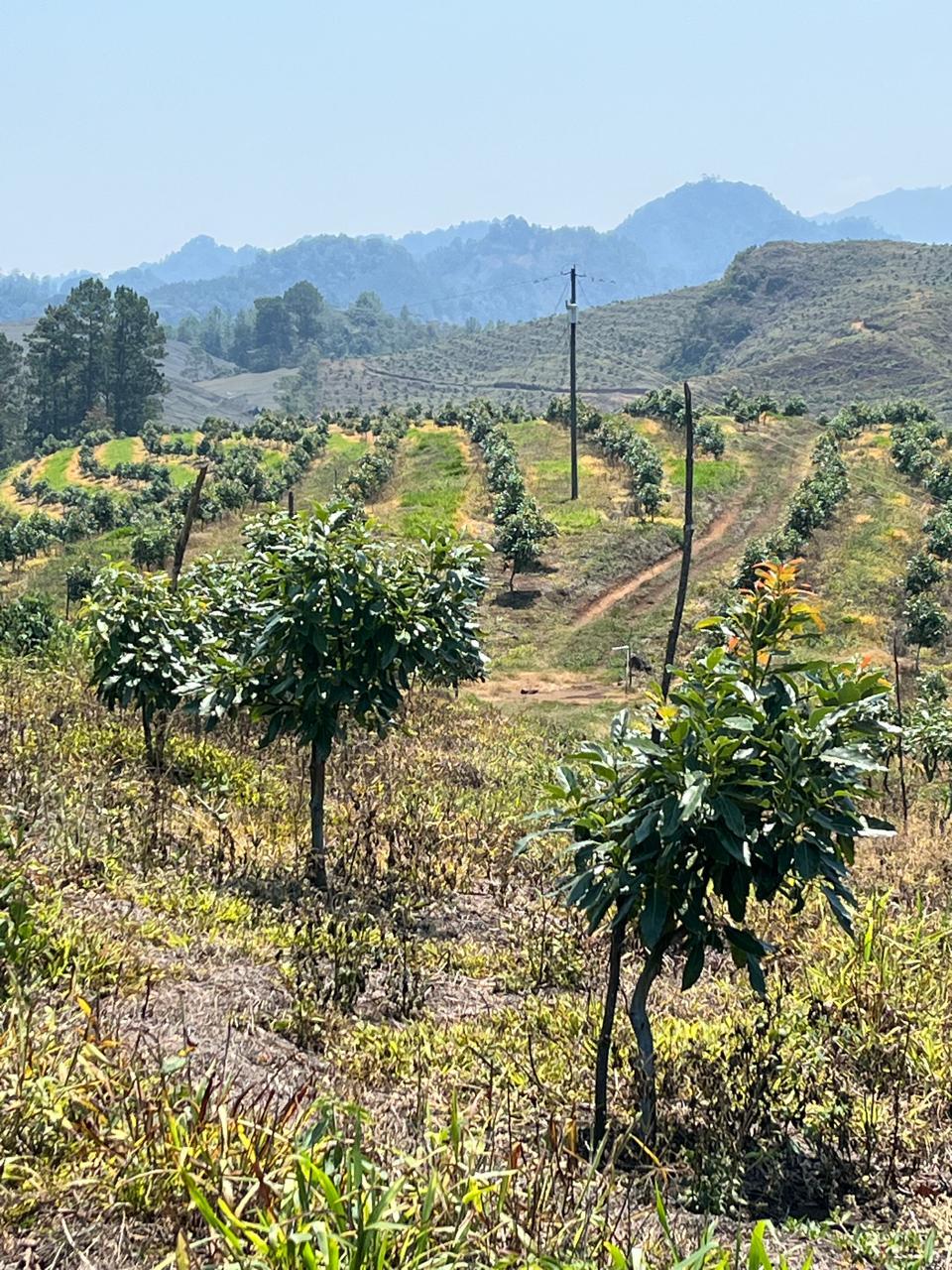
“My father had tried growing green-skinned avocados on the southern coast of Guatemala, but he didn't continue. Andrés Espinoza, a longtime friend, has always believed in the potential of avocados, and he encouraged me to try Hass avocado cultivation, highlighting the advantages of our farms, which are outside the conventional areas for this crop. We started with one hectare, which was very difficult to manage because we lacked experience. However, we persevered, and we have now mastered production under our specific climatic conditions. We now have 180 hectares, and it's all Hass avocados.”
- How many hectares of avocado are cultivated in Guatemala in general?
“There are around 7,000 hectares that are documented, registered, and have been managed and cared for to produce fruit that is or will be marketed, whether in local, regional, or export markets. I would say there are around another 3,000 or 4,000 hectares that are smaller plantations, which are not registered. That's why we don't dare to bring them up.”
- What are the avocado-producing areas in Guatemala?
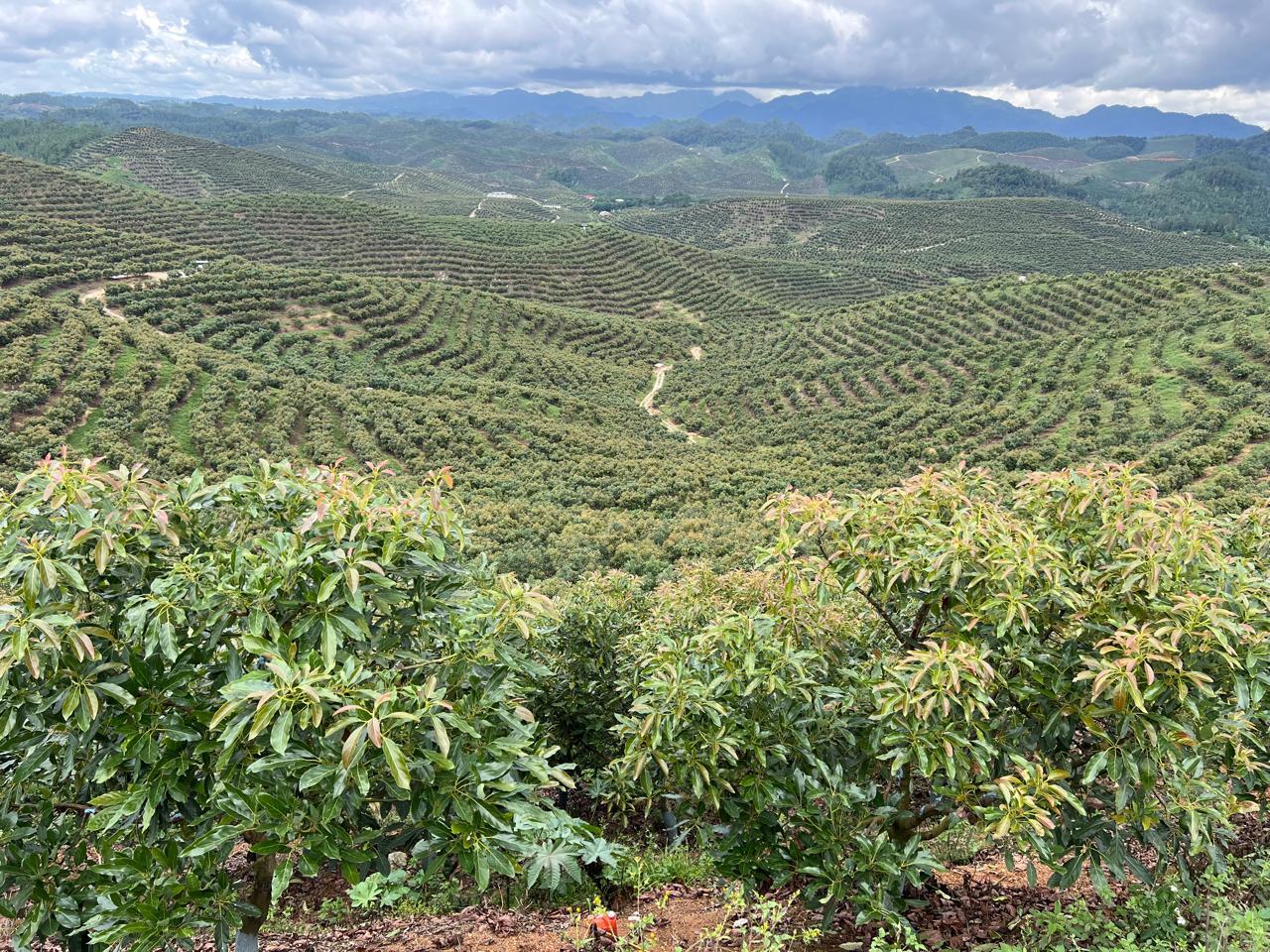
“Basically, avocados are grown in the central highlands and the western highlands. There is a very large plantation that Mission established in Guatemala, which plans to reach 3,000 hectares in that area. The avocado-growing areas are Sacatepéquez, Chimaltenango, Sololá, Huehuetenango, Totonicapán, and San Marcos. Also in Alta Verapaz, which is a more western area, bordering Mexico, where it has been growing steadily.”
- What are the climatic conditions in which avocados are produced in Guatemala?
“Historically, we’ve had six months of winter, which is our rainy season, and six months of summer, when it doesn’t rain. Generally speaking, this is what we live with to produce avocados. I would say that the Alta Verapaz area is the region where the temperature and climatic conditions are most stable, in the sense that there isn’t as much temperature fluctuation, and it’s also where it rains the most. In that area, it rains for about eight or nine months, compared to the other regions, where, as I mentioned, it rains for six months and the other six months are dry. This allows us to be quite efficient in our use of water resources.”
- So, unlike other origins, for you the water factor is neither a problem due to excess nor scarcity.
“We are fortunate to receive support 'from above' with more water, compared to other countries that don't receive the same amount or at the same time as we do here in Guatemala. Time has also been dedicated to working with producers to conduct thorough research on where to plant, because the worst thing you can do is fight against nature. As farmers, we will never win against nature. So, first, the sites are carefully selected to ensure the agroclimatic conditions are right.”
- What type of soil is used to grow Hass avocados?
“The soils are very well drained, of volcanic origin. Avocados really like that.”
They are also high in organic matter, which allows the Guatemalan Hass avocado to truly showcase all the characteristics of that variety's genetics. Remember that the Hass was developed from native Guatemalan avocado genetics. So, the agro-climatic conditions here have allowed the
"This allows avocados to naturally express their full potential, especially in terms of oil development, which is what we are all looking for."
From local avocado culture to export
According to the president of Anaguacate, in Guatemala there is a very strong culture of avocado consumption, so today production is divided between domestic and foreign consumers.
“This fruit is part of the basic food basket for Guatemalans. It’s very common to see anyone, regardless of their social level, eating at least one avocado a week. Aside from all the nutritional benefits and energy it can provide, we have a culture of consumption,” he explains.
- And when did they begin to see the commercial potential of the Hass variety?
“In the late nineties, when Hass avocado production began to grow, we made that shift as a country. The strongest growth has occurred in the last ten years. This is how we have developed here in Guatemala, in the planting, production, and marketing of Hass avocados.”
- How much is exported and how much remains in the local market?
“It’s difficult to quantify, because the local market is also served by unregistered plantations. But in exports, last season Guatemala closed with 320 containers. And this season we are estimating exporting 350 containers as a country.”
- What are the main markets for Guatemalan avocado exports?
“We have exported to the European Union, Eastern Europe, and Canada. These are markets for which we already meet the phytosanitary requirements, as well as the food safety and compliance standards. Since 2019, we have been working to achieve market access for Hass avocados in the United States, with the goal of being present for the 2025 Super Bowl. This makes us very happy and, at the same time, a great commitment.”
What support are they receiving to achieve that goal?
“We have been working very closely with other countries and producers who are already exporting. We have received a great deal of openness and support from them, allowing them to explain what they have done, where they have encountered obstacles, and to offer recommendations. We are a very solid industry. At the same time, Anaguacate has been organizing and consolidating the industry. It has brought together producers, packing plants, and exporters. And simultaneously, we have been training and researching. We have provided support, within our purview as the private sector, to both local and U.S. authorities so that we can all move forward together.”
- Since when has Guatemala been exporting its Hass avocados to Europe?
“Exports and annual programs have been maintained since 2014. It has been very well received. And above all, they really like the quality and the trust that the producers generate.”
- What is that quality characteristic of Guatemalan avocados that differentiates them from those of other origins?
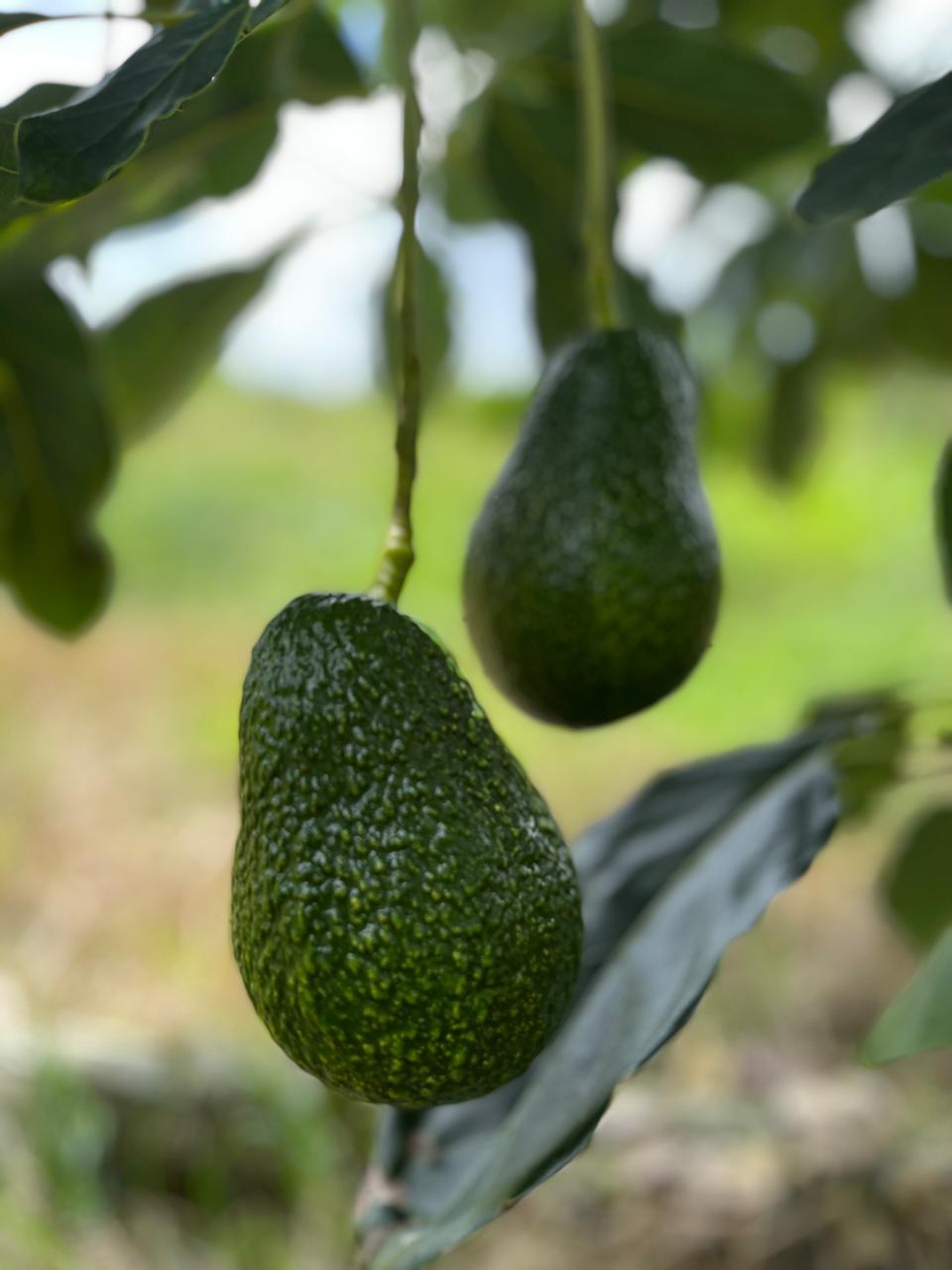
“The agro-climatic conditions greatly contribute to the quality of our fruit. We have a very good oil content. At the same time, the texture is firm, yet quite buttery. This allows the fruit to travel very well and arrive at its destination in optimal condition. We have also worked extensively in the field, implementing all the necessary agricultural practices, including nutrition and plantation management, to develop nutrition programs that allow us to achieve the sizes the market demands. We've heard from some distributors that they say, 'Look, there's fruit from other origins that looks great on the outside, but it doesn't ripen properly.' But ours ripens very well.”
- How have you managed to give uniformity to the country's fruit for importers?
“One thing we’ve implemented, and this is industry-wide, is a gentleman’s agreement: we don’t harvest if the fruit doesn’t meet the required dry matter content. Because while the producer might earn a few cents more in the moment, they’ll lose thousands of dollars on the next container. What marketers in Europe are seeing is that the avocados we ship arrive in excellent condition and, above all, ripen very well and uniformly. That’s what has positioned us so well. We’re not going to be the biggest in the world, but we do want to be the ones with the best quality and reliability.”
- But, being so close to the Mexican border, one might think that Guatemalan avocados have tremendous potential, both in quality and production volume. What's the difference between them and Mexico?
“The first difference is size and scale. Mexico is many times larger than Guatemala. Generally speaking, in the Guatemalan industry, we all have an excellent relationship with the vast majority of Mexican producers. They have come to visit us, invited us there, and opened their doors to us. They are interested in the industry continuing to grow, and that's why we have worked so hard, due to the similarity of agro-climatic conditions and markets. We don't see Guatemala becoming the largest producer, but we want to differentiate ourselves by having the best quality fruit.”
- What are the export windows for Guatemalan fruit?
“We have two flowering periods. The 'crazy' flowering period runs from June to October, while the 'normal' flowering period is from September to March. In March and April, there is already a shortage of fruit. In May, fruit availability begins to increase, but basically, we have fruit for nine months of the year between the two flowering periods.”
Very rapid year-on-year production growth
According to the president of Anaguacate, speaking to Avobook, the avocado industry is one of the fastest growing sectors within Guatemala's export agriculture.
“I think it’s one of the few that has such large year-on-year growth. Perhaps it’s similar to berries, although it’s a different segment. The main growth in crops has occurred in the last 4 or 5 years,” he explains.
Therefore, he believes that as access to the United States market progresses, the cultivation areas will continue to increase.
“We’re going to keep planting. The experience in Europe has given visibility to both producers and exporters. I think it has also shown that things have been done well. There’s always room for improvement. That’s why we’ve learned from Mexico. We also exchange experiences with Peru and Colombia. They tell us: ‘Look, the United States is possible; it’s a different market, with different requirements, but it’s worth it, especially because Guatemala can supply very high-quality fruit,’” he says.
- Have the shipping traffic problems experienced during the 2023-24 season been resolved? What were the reasons?
“The shipping companies attributed it to problems in the Panama Canal. The ship scheduled for the transshipment wasn't meeting the deadline, and they had to wait an extra week or two to make the connection. From Anaguacate, we've been talking with the companies that provide Guatemala-Europe services. For now, they say they aren't anticipating any major problems with the transits, and they believe they will be able to meet the schedule. At least they have certainty until the end of December. They want to see how things develop in November and December to confirm where we'll be in the first quarter of 2025. Because of this, we've also been looking at a market in Canada, which, unlike Europe, offers much more favorable and shorter transit times.”
- How long does it take to get to Canada?
“We’re talking about the fastest route taking five days, entering through the northeast, and there are also routes where the longest will be around 12-15 days, but they are direct, and that can really benefit us a lot here. That’s why we’re interested in developing business with North America, because it does have a travel advantage that is very different from that of Europe.”
- That's why, if the United States opens up, it's a great opportunity for growth for you.
“The maritime logistics to the United States take around four days. That allows us to arrive with very fresh avocados. It also allows us to give them better condition, to keep them on the tree a little longer, to increase the dry matter content a little more, because
resulting in a higher oil content, which leads to a very fresh fruit, but with great flavor and quality.”