Avocado after the Super Bowl: record exports for Colombia and price volatility
Last weekend, the Super Bowl, one of the most anticipated sporting events of the year in the United States, took place. In addition to its impact on the entertainment and advertising industries, this event significantly influences various economic sectors, including the avocado industry.
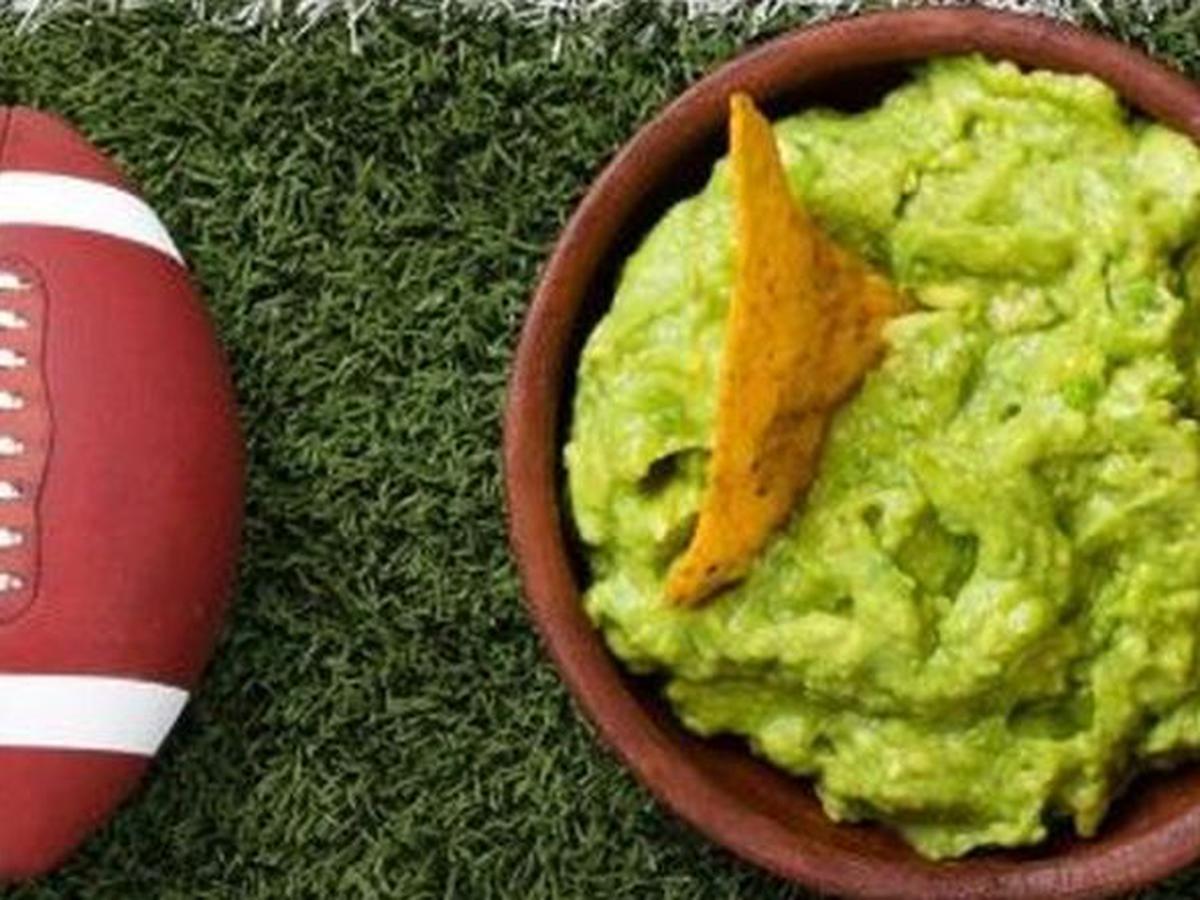
The consumption of guacamole has become an essential tradition at gatherings and parties during the NFL final, driving a considerable increase in demand for this fruit in the weeks before and after the game.
Colombia reached a historic record
For the 2025 Super Bowl, avocado exports from Colombia to the United States reached a record high. According to the Colombian Agricultural Institute (ICA), 6,512 tons of Hass avocados were shipped, representing a 350% increase compared to the same period the previous year, when exports barely exceeded 1,336 tons.This increase is due to strategies such as the "Inspection at Origin" program, which has streamlined quality controls and optimized distribution logistics from producing regions such as Antioquia, Quindío, Caldas, Valle del Cauca and Risaralda.
Thus, according to figures cited by CorpoHass, in 2023, the fruit reached an economic growth of 180.1 million dollars and in 2024 of 267.3 million US dollars, which represents an increase of 48.5%.
Meanwhile, Mexico, the main supplier of avocados to the United States, also made significant shipments this season. Preliminary figures indicate that Mexican exports exceeded 100,000 tons in the weeks leading up to the Super Bowl, solidifying its leadership in supplying this product. This amount represents a decrease of approximately 30,000 tons compared to the previous two years; in 2024, 137,500 tons were exported, and in 2023, around 130,000 tons.
According to data from the Agricultural Marketing Service, prices also fluctuated. On average, the price of Hass avocados in the United States was $2.63 per kilogram, an increase compared to the $2.41 recorded the previous year.
Market adjustments after the Super Bowl
However, after the event concluded, the market also underwent an adjustment. According to Sergio Paz, general manager of Coliman Avocados de México, the Mexican industry took a break during week six, given that most of the fruit destined for Super Bowl promotions was already in importers' and supermarkets' warehouses.In total, 755 shipments were exported to the United States, maintaining the usual patterns prior to the event. However, a distinguishing factor this year has been the high cost of avocados, which has reduced the dynamism in demand following the event.
“ In general, the feedback is that demand for the Super Bowl was good but nothing spectacular. Some importers commented that last year they moved more volume, which seems logical given the fruit prices for this year,” Paz explained.
Furthermore, the start of week seven was marked by uncertainty. Initially, exporters attempted to increase the harvest, which led to a rise in prices. However, the market was slow to react, and it wasn't until Tuesday that the harvest regained its momentum, with prices similar to those of week four and some exporters even paying higher rates.
Another determining factor in market behavior was the reduction in hectares available for harvest, down 13% compared to the previous week and 8% compared to the same period last year. This phenomenon is partly due to several orchards completing their harvest cycle without a corresponding amount of new plantings being ready to enter production.
According to Antonio Villaseñor, director of Aztecavo, market behavior after the Super Bowl has changed in recent years. Traditionally, demand tended to drop considerably after the event, generating a period of calm of approximately two weeks.
However, demand has recently remained stable and even increased in some cases, driven by the transition from winter to spring. During these months, avocado consumption tends to rise due to increased social activity and the growing use of the fruit in various culinary preparations. This has led to greater price stability and reduced the volatility that characterized the market in previous years.
"When the Super Bowl month arrives, we observe that volumes increase considerably from the first weeks of January. However, the week of the event is the lowest for exports, since most of the fruit destined for the event is already in inventory," Villaseñor added.
Sergio Paz also explains that the availability of Mexican avocados in international markets has decreased, with the exception of Central America. Specifically, the combination of high prices and reduced availability of quality fruit has diminished the presence of Mexican avocados.
Future prospects for the avocado industry
Despite adjustments in demand and price volatility, avocados remain a star product in the US market, especially during high-consumption events like the Super Bowl. The diversification of avocado origins, with a growing share from Colombia, reflects the sector's evolution and its ability to adapt to supply and demand dynamics.
The rise of Colombian avocados in the United States is a clear sign of diversification in supply sources. The implementation of sustainable agricultural practices and compliance with international phytosanitary standards have positioned Colombian Hass avocados as a high-quality alternative for North American consumers.
On the other hand, Mexico continues to be the main exporter and faces challenges related to security in the producing areas and weather conditions, factors that could affect its production in the future.
The Super Bowl remains a pivotal event for the avocado industry. Growing demand ensures that production and exports of this fruit continue to rise, solidifying its role as an essential product in the celebrations of this sporting event.