Processed avocado: the key that opens markets without phytosanitary borders
Avocados have become one of the star products of global agricultural trade. According to data from the Food and Agriculture Organization of the United Nations (FAO), global production exceeded 8 million tons in 2020, with annual growth of nearly 8% over the last decade. However, international trade in fresh fruit—including avocados—faces strict phytosanitary barriers that limit access to certain markets.
In this scenario, processed avocados are presented as a strategic solution to overcome these restrictions, expand global presence, and ensure product availability throughout the year.
In the international trade of fresh fruit, each country establishes phytosanitary protocols to prevent the entry of pests. This means that exporting countries must comply with regulations, undergo inspections, and, in many cases, undergo lengthy monitoring periods to obtain authorization.
As the international company Avocomex explained, “not all countries can market all fruits to all destinations. Authorization depends on studies and controls that guarantee that the product does not introduce pests to the destination country.”
The regulatory framework relies on organizations such as the FAO's International Plant Protection Convention (IPPC) and the WTO's SPS Agreement, which allow restrictions when there is a proven risk, even preventively.
The great advantage of processed avocados is that they escape many of these requirements. By subjecting the fruit to industrial processes—such as high-pressure processing (HPP), heat treatments, deep cooling, or freezing—the seed and peel are removed, and the possibility of carrying pests is reduced to virtually zero.
According to data from the U.S. Food and Drug Administration (FDA), these treatments also reduce pathogens such as Listeria monocytogenes and Salmonella , strengthening product safety. This means that, unlike fresh avocados, processed avocados can enter almost any market without phytosanitary restrictions.
In addition to overcoming sanitary barriers, processed avocados offer price and supply stability. Unlike fresh fruit—subject to seasonality, oversupply, or scarcity—processed avocados allow for year-round supply thanks to their extended shelf life, whether as frozen or refrigerated pulp, or as packaged guacamole.
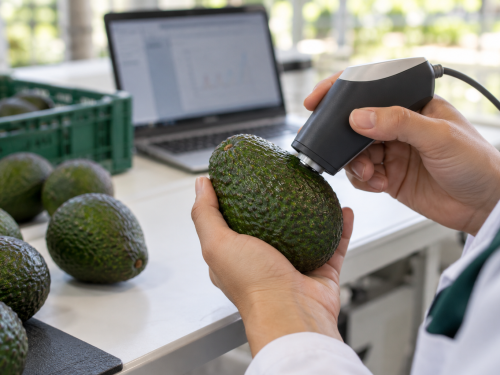
According to Avocomex, the internal quality of a processed avocado is the same as that of a fresh, top-quality fruit. “The only difference is that it didn't meet the visual standards of the fresh market; any external scratches or scars do not affect its internal characteristics or flavor,” they explain.
Regarding the countries participating in the processed food market, Mexico leads the world market for both fresh and processed products, followed by Peru and Colombia. Other countries with a presence include Spain, South Africa, Guatemala, and, to a lesser extent, Chile. New players such as Brazil, Morocco, and Kenya are beginning to invest in processing plants, attracted by projected growth and simplified market access.
This is how the global trend points to greater processing of avocados, not only as a strategy to evade phytosanitary barriers, but also to add value, diversify markets and ensure safety.
The combination of technological innovation, quality protocols, and public-private partnerships will be key for more producing countries to position their processed products in the demanding international market.