Moroccan Avocado: A climate and trade challenge that is changing the industry in Europe
In recent years, Morocco has experienced a surprising boom in the avocado market, becoming one of the main producers and exporters of this coveted fruit in the Mediterranean.
With constantly growing production and increasing international demand, the country has managed to position itself as one of the great promises in the export of avocados to Europe.
According to the Moroccan Association of Avocado Exporters (MAVA), in the 2023-2024 season, Morocco reached a production of more than 70,000 tons, of which 60,000 tons were destined for export, marking an increase of 50% compared to the previous season.
For the 2024-2025 season, projections are even more ambitious. A record harvest of 90,000 tons is estimated, with expectations of exporting between 80,000 and 90,000 tons, reserving approximately 10% for domestic consumption. Between October and December 2024, Morocco had already exported 42,000 tons, reflecting sustained growth in the sector.
Abdellah El Yamlahi, president of MAVA, explained in a press release that, regarding the preference of the European market, most of the volumes exported from Morocco correspond to the Hass variety and are mainly focused on sizes 12-20, which indicates a clear preference of European consumers for larger avocados.
"The European market seeks quality, and large sizes are the most in demand. This has led Moroccan producers to concentrate on this specific variety and size, ensuring that their products meet international standards," explains El Yamlahi.
Regarding avocado prices, El Yamlahi points out that the 2024 season began with lower prices compared to the start of the previous season. This trend continued, even when there was no significant competition from other producing countries.
According to El Yamlahi, the main cause of this price drop is the abundant production in Morocco this season, which has led to oversupply. "The season started with lower prices than at the beginning of the previous one, and they continued to fall even when there was no competition from other origins. The reason is the abundant production in Morocco this season, and the competition among Moroccan exporters themselves," El Yamlahi added.
This surge in avocado production and exports is due to several factors. Favorable climatic conditions and the availability of water resources have allowed for the establishment of plantations in regions such as Tiflet, Moulay Bousselham, and Larache.
Furthermore, the diversification of destination markets, which now include countries such as France, Italy, the Netherlands and Russia, has expanded business opportunities for Moroccan producers.
However, the sector faces significant challenges. The drop in the benchmark price for avocados in Europe indicates a decrease in consumer demand, which could affect producers' profitability. To counteract this situation, strategies focused on product quality and optimizing export processes are being implemented, with the aim of maintaining competitiveness in the international market.
Current context of Morocco
Morocco is undergoing a phase of economic and social transformation. According to information from the Ministry of Foreign Affairs, European Union and Cooperation, in the second quarter of 2024, the national economy showed significant acceleration in growth, with a GDP growth rate of 2.9%, driven primarily by stronger domestic demand and positive consumer spending. Sectors such as mining and construction have experienced remarkable growth, contributing to the country's economic dynamism.
Furthermore, Morocco has had a high level of growth in recent decades (averaging 4.3% between 2000 and 2017) thanks to high levels of investment (around 30 to 35% of GDP) and gross fixed capital formation, macroeconomic stability and sound financial institutions and economic governance.
However, the country faces demographic challenges, with a slowing birth rate and population growth that has fallen to the current 0.85%. Furthermore, problems such as high youth unemployment and low female labor force participation persist, requiring attention to ensure inclusive and sustainable economic development.
Making the most of available resources will be key to sustained growth.
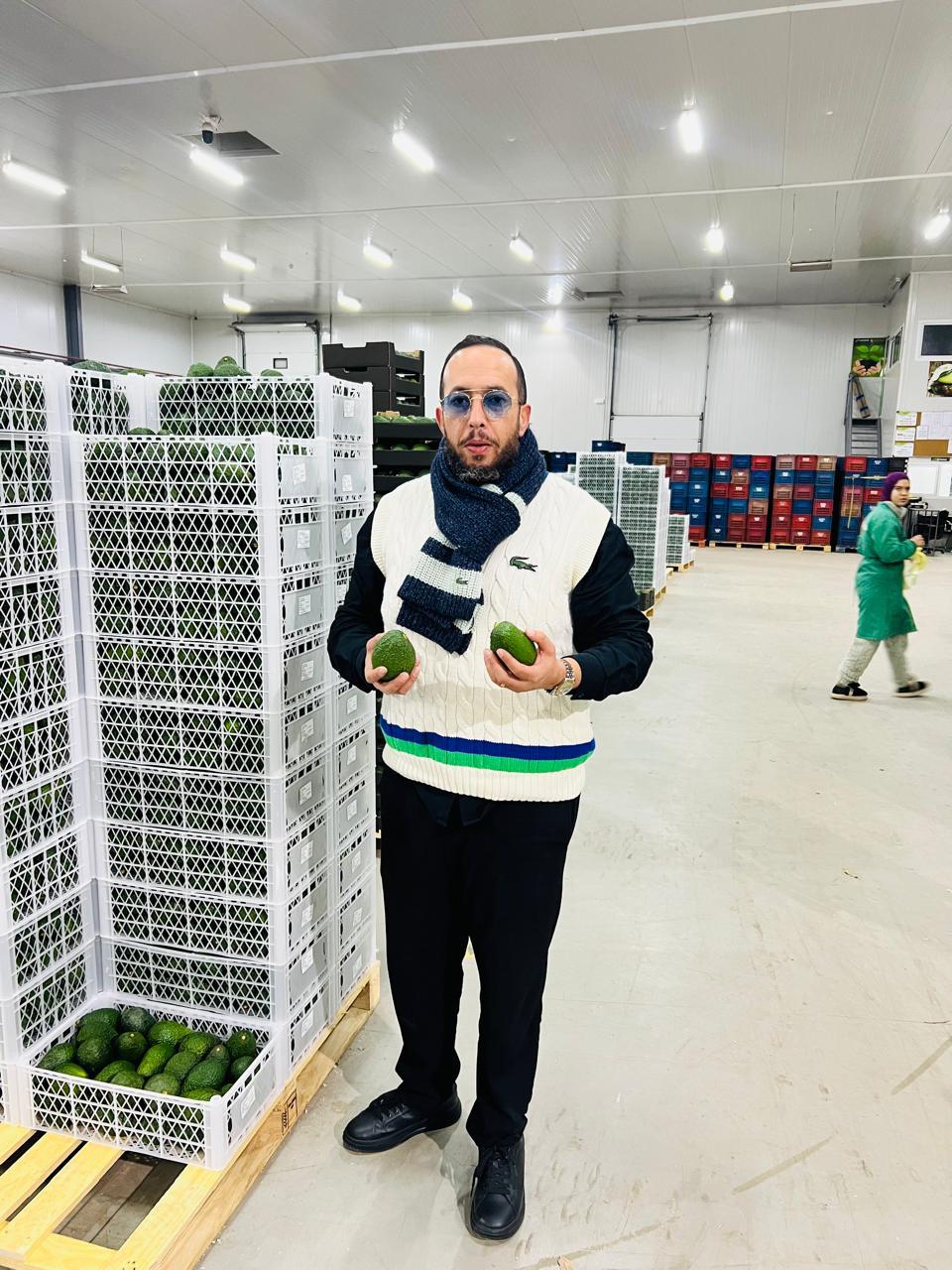
Yassin Chaib, manager of Mavoca, one of Morocco's leading avocado exporters, highlighted several key factors in understanding the market's sustained growth in the country. According to Chaib, the success of the Moroccan avocado industry is based on the exceptional climatic conditions of regions like the coastal area stretching from Tangier to Yarida, where mild temperatures and water availability have created an ideal environment for avocado cultivation.
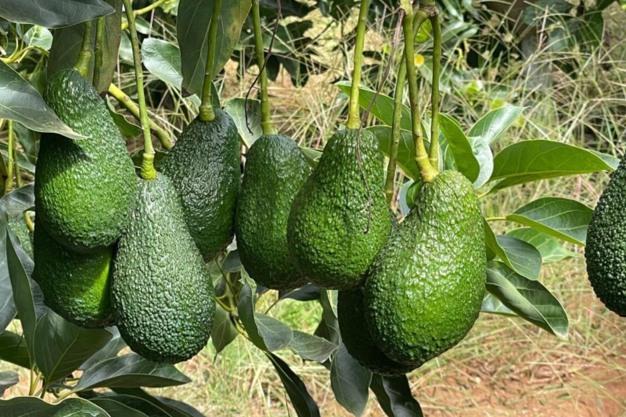
“In the Larache region, for example, we enjoy high levels of annual rainfall and relatively mild temperatures, creating perfect conditions for avocado cultivation,” Chaib explains. However, he also acknowledges the challenges that arise from the need to manage water resources efficiently, especially given that water is a limited resource in some areas.
One of the most important lessons that has driven the growth of avocado production in Morocco is the analysis of experiences in other producing regions. Chaib points out that, although Morocco has a favorable climate, water scarcity is a key challenge that could threaten the sector's sustainability if resources are not managed properly.
"We are learning from the experiences of the Andalusian coast, which faces water scarcity problems after more than 30 years of production. This has led us to implement sustainable practices from the outset, such as exploring more efficient irrigation systems, like desalination, given our proximity to the sea," he adds.
Furthermore, Chaib mentions that the key to success lies not only in technology and efficient water use, but also in the ongoing training of farmers to make the most of available resources. "It is essential that farmers learn to use water efficiently, install tensiometers to measure soil moisture, and understand when irrigation is truly necessary. Often, due to a lack of knowledge, over-irrigation occurs, which wastes water and can negatively impact crop quality."
In terms of growth projections, Chaib is optimistic. Despite the slowdown in new plantings due to water scarcity in some areas, the Mavoca manager anticipates a significant increase in avocado production in the coming years. "With existing plantations, we estimate that production will increase by 50% to 80% in the coming years, reaching between 200 and 300 tons annually. While climatic factors are crucial, we are confident that, with sound management and the implementation of appropriate technologies, Morocco will remain a key player in the international avocado market."
The avocado sector in Morocco continues to demonstrate remarkable growth and an optimistic outlook for the future. Supported by technological innovations, a focus on sustainability, and lessons learned from other producing regions, the country is well-positioned to solidify its position as an emerging leader in avocado production. The vision of industry leaders like Yassin Chaib reinforces Morocco's commitment to developing a modern, efficient, and responsible agricultural market within an increasingly competitive global context.