Oil, guacamole and more: avocado derivatives are conquering the world
The avocado, historically valued as a fresh fruit for its nutritional richness, has transcended its traditional forms of consumption to become one of the most sought-after raw materials in the processed food market. Today, products such as avocado oil, guacamole, frozen pulp, and IQF (Individually Quick Frozen) halves, cubes, or slices are leading the transformation of this fruit in the agribusiness sector.
One of the products that has stood out most in recent years is avocado oil, whose popularity has grown significantly in the global market. According to the international company Avocomex, which specializes in the marketing of avocado derivatives:
“Avocado oil is the healthiest oil on the market today, far more so than olive oil. It’s more expensive, but much healthier, and there’s a lot of demand. Many companies are setting up operations with avocado oil in different countries,” explains Avocomex.
The growing demand for this product could be due to either a genuine increase in consumer interest in healthy oils or a reduction in global supply, although the latter requires further investigation. According to the FAO (Food and Agriculture Organization of the United Nations), avocado oil is obtained from the fruit's pulp through processes such as cold pressing, centrifugation, or the use of chemical solvents like hexane, and is rich in monounsaturated fats, antioxidants, and vitamin E.
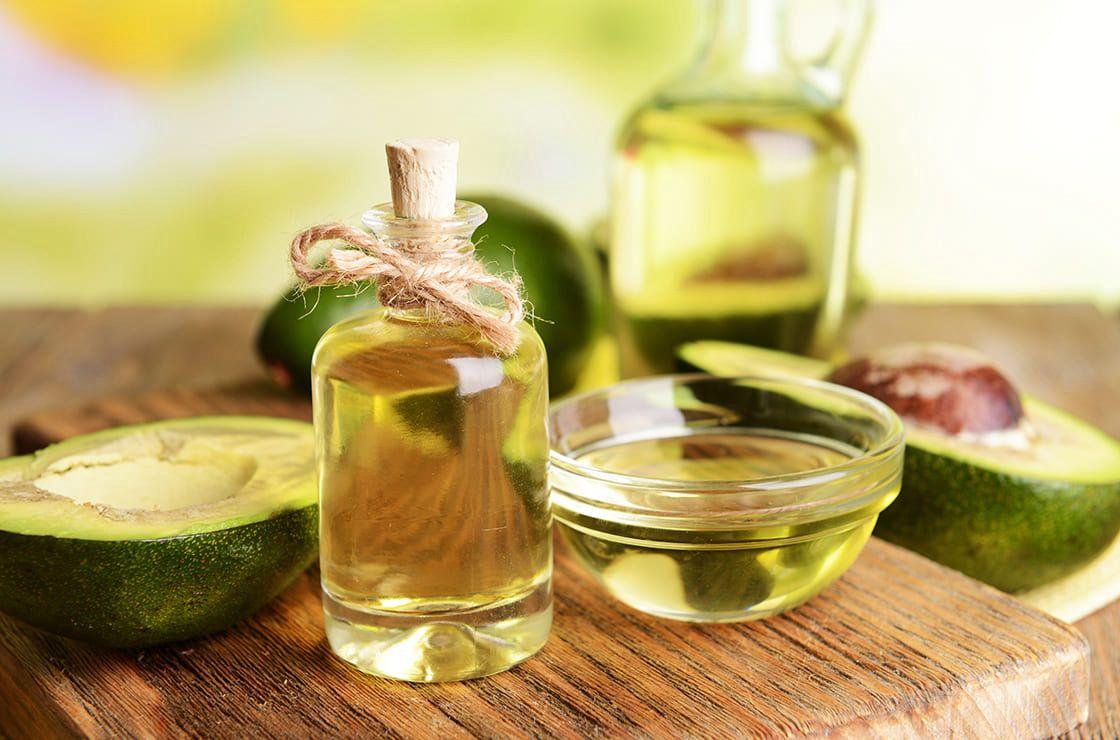
Furthermore, recent studies indicate that avocado oil's smoke point (up to 271 °C in its refined form) makes it one of the safest oils for high-temperature cooking, even surpassing olive oil (MDPI, 2020). This quality has boosted its use in sectors such as gourmet cuisine and natural cosmetics.
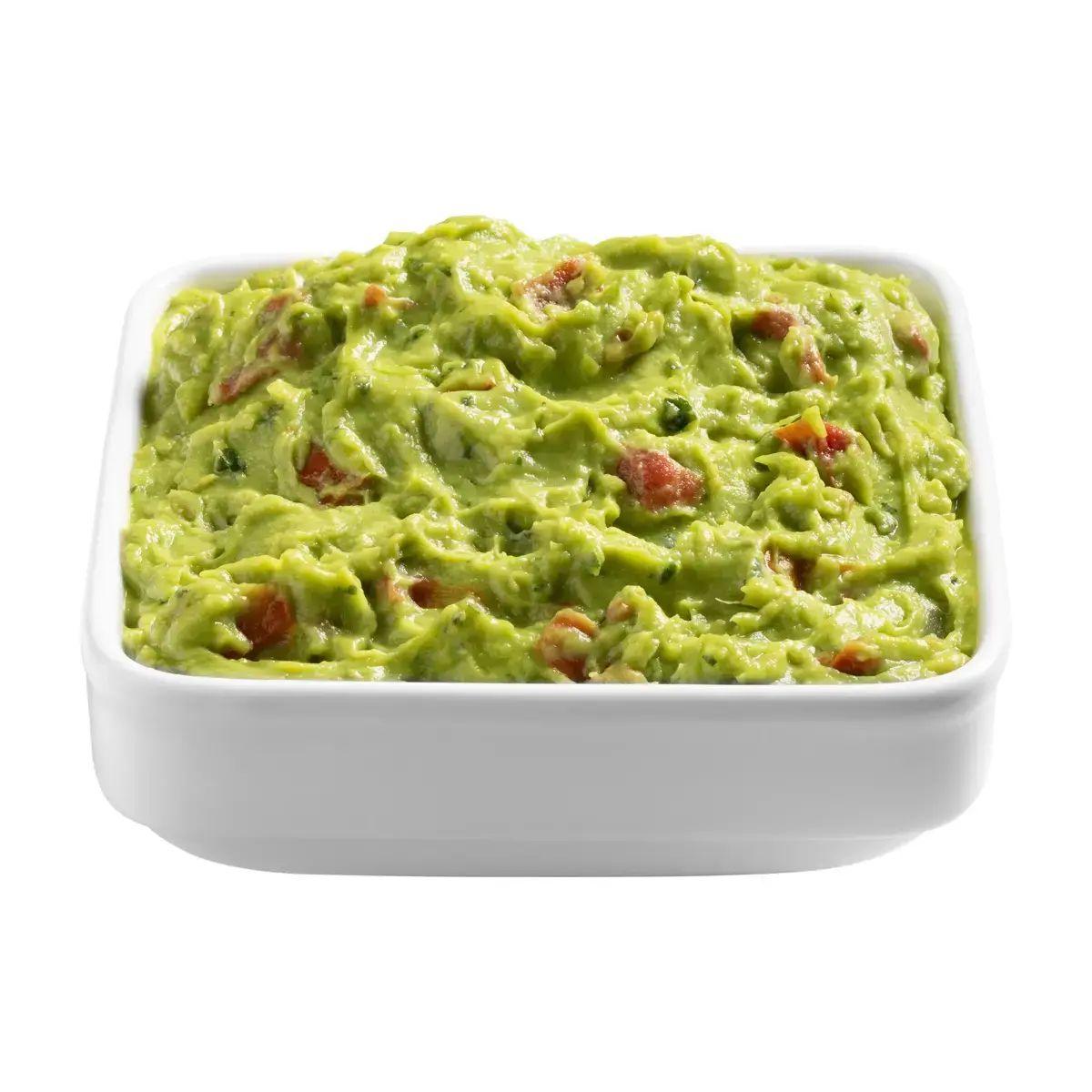
Alongside oil, processed frozen avocados—such as guacamole, pulp, and IQF in various presentations—continue their expansion in international markets. Avocomex points out that these products are especially attractive to the food service channel, restaurants, and fast-food chains, due to their ease of use, stability, and reduced waste generation.
“Frozen processed avocados as a food continue to boom. It appears that consumption of these avocado-based processed foods will continue to increase in the coming years. Processed foods are much more convenient, more stable, and less wasteful,” adds Avocomex.
The FAO and other academic sources confirm this trend, highlighting that processed products like guacamole are highly popular in countries where fresh avocados are not grown locally. Furthermore, instant quick freezing (IQF) techniques preserve the avocado's sensory properties, making it attractive for export.
A less visible, but equally crucial, aspect of avocado industrialization is the valorization of its waste. During the oil extraction process, for example, large volumes of byproducts are generated, such as peel, seed, spent pulp, and wastewater.
In some cases, only 8% of the fruit is transformed into usable oil, while the remainder can be used to produce bioenergy—such as biogas or biodiesel—natural antioxidants and nutritional supplements, edible and biodegradable starch (particularly extracted from the seed), as well as compost and organic fertilizers. According to a report published in the Encyclopedia of Food Sciences and Nutrition (2022), these practices align with the principles of a circular economy and contribute significantly to reducing agro-industrial waste.
The current landscape shows that processed avocados, both in the form of oil and frozen foods, represent a booming industry. Their growth is closely linked to consumer interest in healthy, convenient, and sustainable products. Companies like Avocomex are capitalizing on these opportunities by offering practical food solutions for the global market, anticipating that this demand will continue to grow in the coming years.
The industrialization of avocados has not only diversified its value chain, but has also opened doors to technological innovation, sustainability, and the transformation of consumption habits worldwide.