Innovation and added value in the avocado industry
HPP: the technology that is redefining the future of Latin American avocados
HPP boosts the added value of Latin American avocados, extending their shelf life and strengthening their global competitiveness.
High Pressure Processing Drives a New Stage of Value Addition in Producing Countries Such as Peru, Colombia, and Brazil. Hiperbaric Supports This Transformation Through Technological Innovation and Regional Development.
In recent years, Latin America has established itself as a key player in the global avocado market. Peru, Colombia, Brazil, and Chile have turned this crop into one of their main agricultural and export pillars. But alongside the boom in fresh products, a quieter yet transformative trend is gaining momentum: processing through high pressure, known as HPP (High Pressure Processing).
This technology, which allows food preservation without heat or additives while extending shelf life and maintaining its properties, is making a decisive impact on the industry. “Latin American avocados have extraordinary quality and enormous diversification potential. Thanks to HPP technology, that quality can travel farther and last longer, opening new opportunities for producers and exporters in the region,” explains María Barreal, LATAM Commercial Manager at Hiperbaric, the world’s leading manufacturer of high-pressure processing equipment.
From Fresh Fruit to Value Addition
For years, the strategy of most Latin American countries focused on exporting fresh avocados—a successful model but with limitations. The product’s short shelf life, logistics costs, and strict sanitary requirements in international markets restrict expansion opportunities.
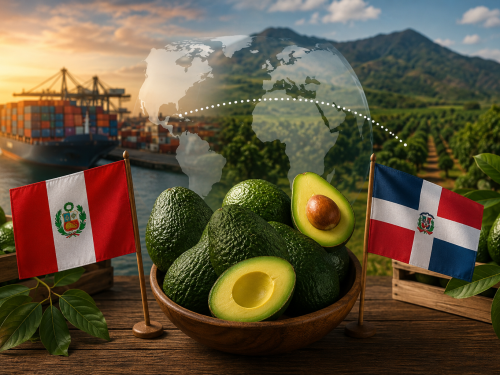
Less than a decade ago, pioneering companies in Mexico and Chile began exploring the application of HPP in avocado-based products. However, the turning point in South America dates back to 2007, when the first Hiperbaric unit dedicated to avocado processing in the region was installed in Peru. This milestone paved the way for gradual expansion into Colombia and Brazil, consolidating a new industrial phase for the sector.
HPP technology has enabled this leap. By applying cold pressure using water as the transmission medium—without heat or preservatives—the method preserves the avocado’s color, flavor, and texture while extending shelf life by several weeks. In a product where oxidation and texture are critical factors, this advantage over thermal methods is decisive.
This has opened the door to the development of high value-added products such as natural guacamole, sauces, purées, dips with superfoods, and functional ready-to-eat formulations tailored to global market demands.

María Barreal, responsable comercial LATAM de Hiperbaric.
“In markets where domestic avocado consumption is still limited, processing becomes an efficient alternative to reduce losses and improve returns for growers,” says Barreal. “Today we see companies in Peru, Colombia, and Brazil incorporating HPP lines and reaching levels of competitiveness that were unthinkable just a few years ago.”
At the same time, several recent projects in the region are moving toward greater vertical integration, connecting producers, exporters, and processing plants under a common goal: transforming raw materials into high value-added products that capture more value at origin.
The data supports this trend. According to Hiperbaric, the volume of avocado processed using HPP technology in South America has grown from less than 2,000 liters in 2016 to more than 22,000 liters in 2025—an increase of over 1,000%.
Globally, the trend is equally strong: the volume of HPP avocado products has increased sixfold over the past decade, surpassing 140,000 liters processed in 2025.
These figures reflect a structural transformation in the industry and the increasingly important role of Latin America within this market.
Moreover, industry data shows that Latin American exports of processed avocado products have grown at double-digit rates over the past five years, driven by sustained demand for guacamole and ready-to-eat sauces in the United States and Europe. This is complemented by growing interest from Asian markets, which are beginning to explore processed avocado as a healthy and convenient option.
For Barreal, the explanation lies in the maturity of producers and their long-term strategic vision. “Latin America not only has the raw material; it also has the know-how, industrial capacity, and willingness to innovate. What we are seeing is a natural transition: from leadership in fresh avocados to a leading role in value-added processed avocado.”
Technology, Sustainability, and Consumer Trust
The rise of HPP also reflects a profound shift in consumer habits. International buyers are seeking natural products, free from additives and thermal treatments, yet with food safety and extended shelf life. HPP-processed avocado meets these requirements: it preserves nutritional value, texture, and color while ensuring microbiological stability.
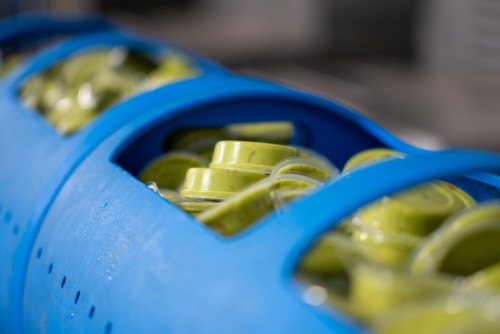
Among the main advantages highlighted by companies already using HPP are extended shelf life, reduced waste, and compliance with strict international regulations. From an environmental perspective, reduced losses and better fruit utilization contribute to strengthening the sustainability of the entire agro-export chain.
“Today’s consumer wants fresh, healthy, and sustainable products. HPP makes it possible to deliver all of this without sacrificing convenience or international standards,” Barreal adds.
With more than two decades of experience and systems installed in leading avocado processing plants worldwide, Hiperbaric has built a strong presence in Latin America, where some of the most prominent companies in the sector operate.
Its support ranges from technical feasibility studies to installation, training, international after-sales service, and specialized advisory in applications and marketing. This integration within the production chain, combined with the operational efficiency of its equipment, has positioned the company as a strategic partner for producers and exporters aiming to compete in global markets.
“Technology is just a tool. The real driving force is the producers who choose to innovate and look toward the future. Our role is to support them in that process,” Barreal emphasizes.
Looking Ahead
All indications suggest that the potential of HPP-processed avocado is only beginning to be explored. With abundant raw materials, industrial talent, and a consolidated export structure, Latin America is well positioned to lead this new phase of value creation in the industry.
In the coming years, more processing plants are expected to be installed, new product formats developed, and stronger collaboration across the value chain. The combination of technological innovation, production efficiency, and growing international demand creates a favorable scenario to position Latin American avocado as a global benchmark in quality and innovation.
“We want to continue engaging with producers, exporters, and entrepreneurs driving this transformation. Latin America has a story to tell in the world of processed avocado, and we are only beginning to write its first chapters,” concludes María Barreal.