Technical analysis
The El Niño phenomenon is putting pressure on avocados in Peru and Chile.
El Niño disrupts harvests, flowering, and agronomic management, while opening a potential commercial window for Chile.
The El Niño weather phenomenon is once again emerging as a decisive factor for the avocado industry. Its impact is not limited to increased rainfall or temperatures; it can also modify harvest schedules, alter physiological processes in orchards, increase disease pressure, and redefine commercial opportunities among the region's main producing countries.
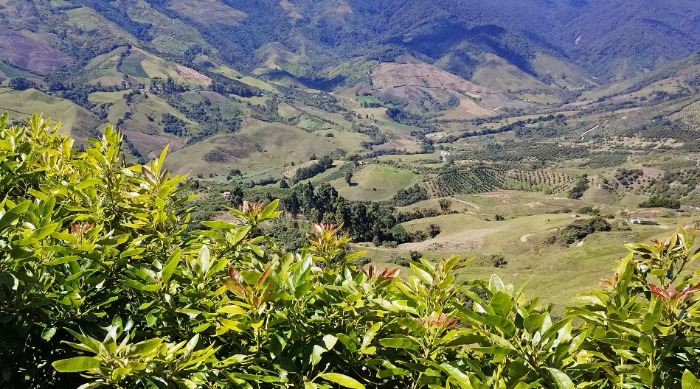
This is the view of Gonzalo Vargas, international technical advisor for avocados and citrus fruits and partner at VGV, who warns that in Peru the phenomenon is no longer just a projection. Rivers are running higher, temperatures have risen in the productive valleys, and avocados are beginning to respond to this change in conditions.
One of the first visible effects has been the earlier development of dry matter, which has accelerated the harvest. Fruit is available, but so is concern. In an El Niño scenario, the greatest risk lies not only in the water, but also in the disruption it can cause to the crop's phenology.
According to Vargas, the increase in minimum temperatures hinders normal flower induction. As a result, blooms can become weaker, more widespread, and irregular. This is compounded by increased pressure from pests and diseases, as well as the risk of flooding and the appearance of wood-decay fungi. He warns that the impact doesn't necessarily end in one season, but can linger for at least two.
El Niño in Chile: available water and production risks
Crossing the Andes, the landscape changes. In Chile, El Niño can represent a significant water recovery after years of drought. Reservoirs with greater water availability, leached soils, and more active basins appear as positive effects, especially in the northern part of the country, where water has been one of the main limitations to agricultural production.
However, this phenomenon can also become a problem if it occurs at critical times. Late spring rains could interfere with flowering and affect key production processes. Similarly, a warmer autumn and winter can reduce the chilling accumulation necessary for proper flowering.
In this context, agronomic management takes on a strategic role. Controlling vigor, adjusting nitrogen use at sensitive times, prioritizing phosphorus and potassium, and properly inducing shoot maturation cease to be minor decisions. In a season marked by El Niño, these management practices can define the orchard's productive stability.
Physical risk will also be a determining factor. Heavy rains could lead to soil saturation, root asphyxiation, Phytophthora proliferation, and damage to roads or drainage systems. In rainier areas or those near the coast, the harvest could even be interrupted for weeks.
Lower Peruvian bid could open a window for Chile
The international market could also feel the effects of this phenomenon. If Peru brings forward its harvest and eventually shortens its season due to the impact of El Niño, Chile could face a more favorable trading window, with less supply overlap and better prices in Europe.
This opportunity, however, is not without risks. Peruvian fruit exposed to rain may arrive at its destination with poor condition, increased rot, and commercial uncertainty. A similar scenario could affect Chilean fruit if the rains coincide with harvest periods in sensitive production areas.
Therefore, rather than classifying El Niño as a threat or an opportunity, the analysis points to its dual nature. For Peru, the scenario is complex due to its effects on productivity, crop calendar, and health. For Chile, the interpretation is more nuanced: it can recover water and improve its commercial position, but also lose efficiency and compromise quality if management is inadequate.
Ultimately, the impact of El Niño will depend less on its label and more on the adaptive capacity of each production system. As Gonzalo Vargas points out, even in the face of a high-magnitude event, the key factor will be how prepared the industry is to respond to its effects.