“We expect avocado consumption in Europe to recover from 2025 onwards.”
Iván Alonso Tamayo, procurement manager of Montosa in Peru, projects for Avobook the results of South American avocados in Europe, warning of a decline from Peru and Mexico, opening opportunities for other origins that complement the production of Spain.
Iván Alonso Tamayo, from Spain, has a unique background that gives him a special perspective on the global avocado market: he arrived in Peru representing a Spanish company that had set up a packing facility for shipping Peruvian fruit to the Iberian Peninsula. A resident of South America for 16 years, he joined the Spanish company Montosa five years ago. Montosa has over 30 years of experience in avocado production and distribution in Europe, primarily to the Spanish and French markets.

Currently, he holds the position of procurement manager and his role is essential for the fruit outsourcing service from Latin America to Spain.
Avobook spoke with Iván Alonso, who - given his experience of two continents, origin and destination - has become a very valid source to analyze the current behavior of the South American avocado, which is sharing space with other origins that have come out to conquer consumers of a continent that - as he explains - will have "years of market settlement".
- Exporters from Latin America and Africa describe Europe as an "expanding market" with enormous growth potential. Do you agree with that view? Are there areas where consumption can increase?
“This year, like the last three, looks set to be a period of market stabilization. Growth has been very difficult due to the health and geopolitical crisis we've experienced. We hope that consumption growth can recover starting in 2025. We also believe that intensive efforts must be made to rescue avocados from the demonization campaign waged by certain sectors in the media against the product and its production systems.”
- How do you think the fruit arriving from Latin America will end this year in terms of volumes and harvests?
“This year could present a good window in Europe for September and October arrivals, as it appears that Peru will reduce its volumes starting in week 35 in the European market. However, we must be more cautious from the end of October and into November, when many origins converge, leading to a disparity in prices and quality, which can significantly distort the market. Special attention should be paid to medium and small sizes, where weeks of significant oversupply are common.”
- How are the volumes projected for the different origins that will be participating in the European market between now and the end of the year?
“We have to see how Peru finishes. The figures aren't entirely clear yet. There's talk of between 15% and 25% less. Chile is coming in with more fruit than last year, and Colombia, once the El Niño phenomenon has passed, should enter the market with greater volume and better sizes starting in October. We'll also have to keep an eye on other origins, such as Mexico, which has lost considerable market share in Europe over the last two years. The Dominican Republic will also contribute some fruit starting in September. On the other hand, we should consider African origins, with the second bloom or 'crazy bloom' in Kenya, as well as some shipments from South Africa during the October-November period.”
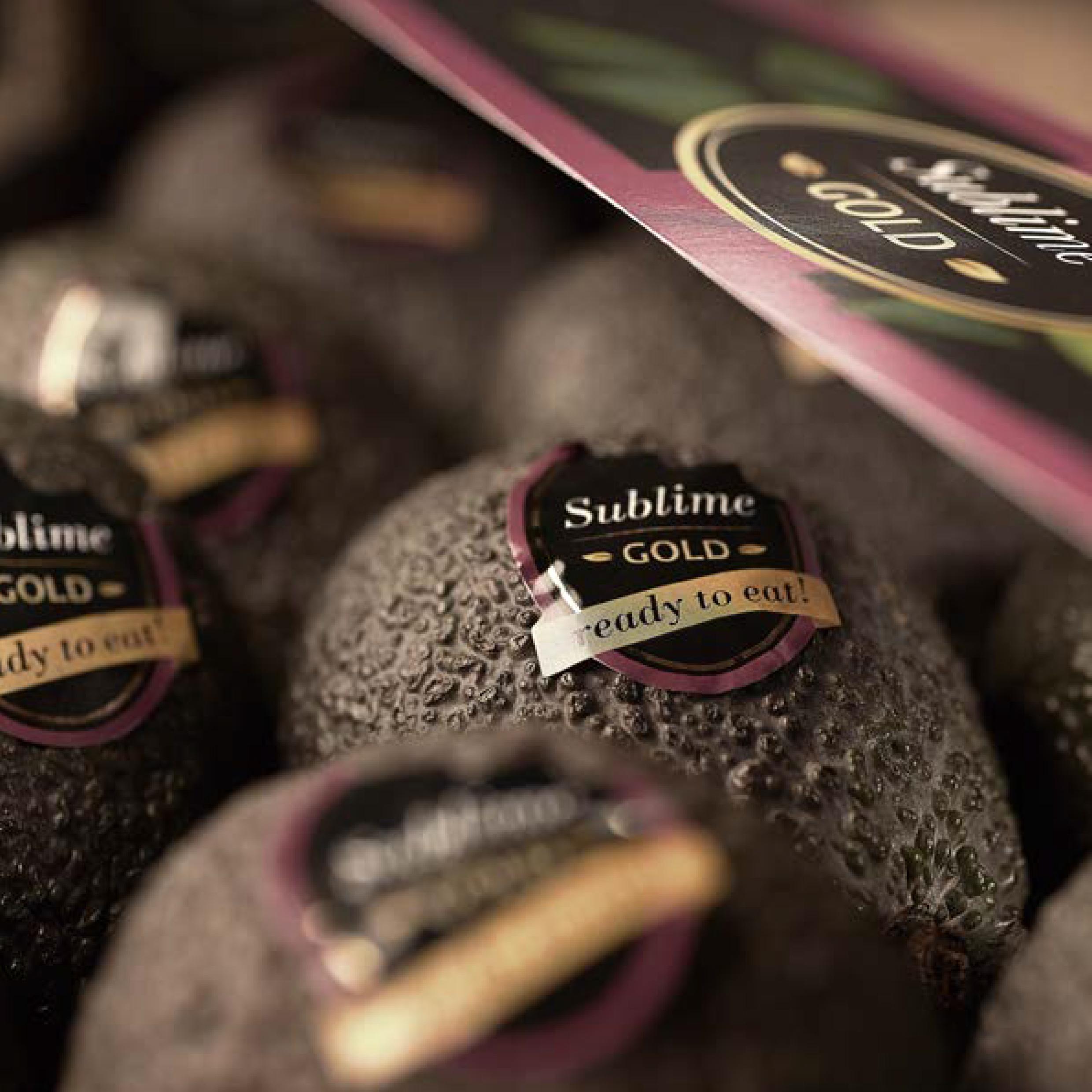
Less avocado from Peru in Spain
Montosa is one of the leading avocado trading companies in Europe. It has its own farms and those of third parties, maintaining relationships with approximately 1,400 producers. It supplies the market year-round. For this reason, it complements the Spanish season with Latin American fruit.
“In the case of Montosa, the main origins, which complement the Spanish campaign, have been Peru, Mexico and Chile,” explains Iván Alonso, who warns that Mexico has been reducing its presence in recent times.
- And how are you dealing with this decline in Mexican avocados, considering the reduction in the volume of fruit produced in Spain?
“Mexico has been reducing its share, and we have focused more on Chile in the last year. As for Spanish production, everyone knows the effect of the endemic drought of the last two years, which is mainly affecting the Axarquía region and southern Spain in general, with a reduction in volume of more than 40%, causing a greater presence and importance of Moroccan origin in the market.”
- Peru is a relevant player in Europe. How do you assess the Peruvian avocado campaign in 2024 in Spain, France and the rest of the continent and how do you think it will end in terms of volume, considering that it also faces a drop in its shipments compared to last year?
“This year’s campaign is very different from recent years, when Peru exerted significant pressure on supply, especially during the European summer. This year, Peru has participated with more limited volumes but at higher prices. Running promotions with supermarkets is proving very difficult. Furthermore, we’ve noticed that consumption is more erratic in light of these higher prices.”
- Until what week is the arrival of fruit from that country projected?
“We expect to have fruit from Peru available in Europe until week 41-42.”
Montosa's prominence in European avocados
Iván Alonso Tamayo explains that Montosa has an orderly expansion and growth plan, “very aligned with its customers, always trying to offer the best quality of its products throughout the year.”
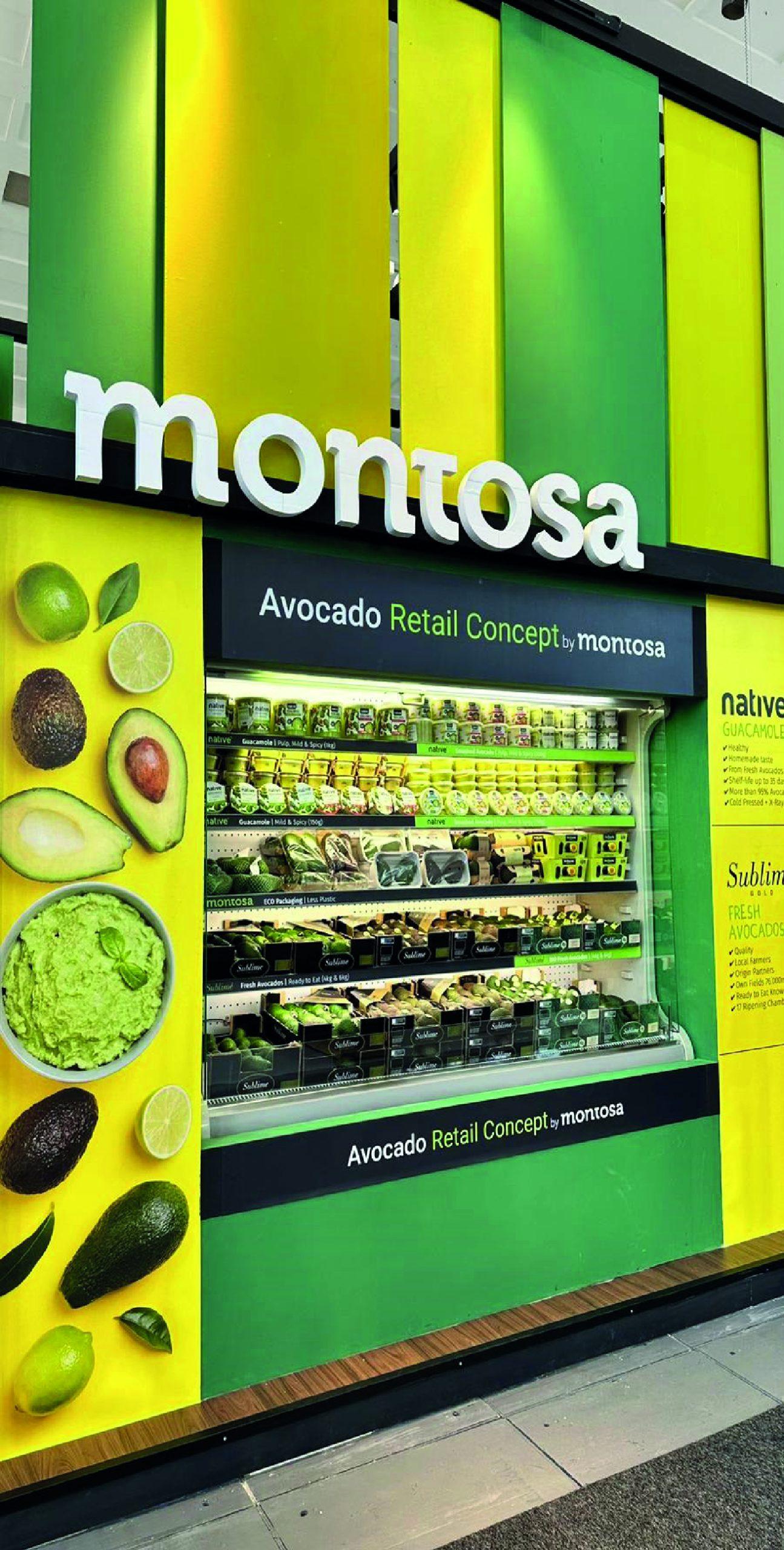
That foundation would be key to the company's projections for the coming years in the marketing of fresh fruit: "We expect growth in sales of fresh avocados for the coming years, always related to ripening programs."
“In the fourth range we are experiencing very strong growth and we expect to continue entering new markets, with our flagship product, which is HPP guacamole (a high-pressure processing system that extends the product's shelf life without altering its nutritional characteristics or flavor) and with recipes specially designed to suit the particular tastes of each European country,” concludes the procurement manager of Montosa in Peru.