


International overview
17,000 hectares drive avocado growth in Morocco
Proximity to Europe, a six-month campaign, and 70,000 tons exported strengthen the positioning of Moroccan avocados.
Morocco continues to strengthen its presence in the international avocado market and is consolidating its position as a key source for supplying Europe. With an industry that has grown rapidly in recent years, the country now combines volume, logistical proximity, and a strategic trade window that allows it to compete with other major exporters.
According to Abdellah Elyamlahi, president of the Moroccan Avocado Association (MAVA), the Moroccan industry currently has 17,000 hectares planted, a production of 90,000 tons and an export volume of 70,000 tons in the last season.
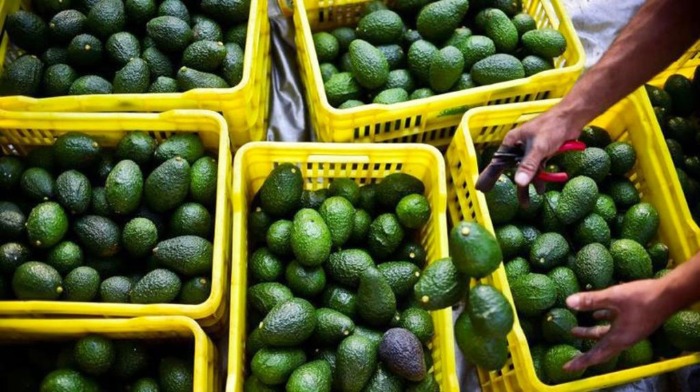
Growth has been significant. In the last five years, the cultivated area has increased by more than 100%, reflecting strong interest in the development of this crop. However, industry sources indicate that the pace of expansion is beginning to moderate and that the market is moving towards a more stable phase.
“We are moving towards stabilization,” Elyamlahi noted, highlighting that the accelerated growth of previous years is beginning to give way to a phase more focused on consolidating production and strengthening international competitiveness.
Europe remains the primary destination for Moroccan exports. Currently, the most important markets are the Netherlands, France, Spain, Germany, and Russia. Trade dynamics have also shifted in recent years: previously, the majority of exports went to Spain, while today a larger share is channeled through the Netherlands, solidifying its position as a key gateway to the European market.
Among the factors that explain the competitiveness of Moroccan origin, Elyamlahi highlights primarily its geographical proximity to Europe, which allows for transit times of just three to five days. This logistical advantage reduces costs, improves the condition of the fruit upon arrival, and allows for a faster response to commercial programs.
Added to this are other key elements such as competitive pricing, fruit quality, the ability to ensure volume to meet supply programs, a commercial campaign that extends for six months and lower carbon emissions compared to more distant origins.
This last point, in particular, could become an even greater advantage in the future. According to the president of MAVA, new regulations related to reducing carbon emissions could work in Morocco's favor, strengthening its position against other global competitors.
However, the industry also faces significant challenges. One of the main risk factors remains the weather, especially the extreme heat waves that occur in summer and can affect crop development and productivity.
On the international stage, competition among avocado origins continues to grow as the global supply increases. “Competition is increasing with the rise in volumes,” explained Elyamlahi, acknowledging that more and more countries are seeking to position themselves in the largest consumer markets.
However, increased consumption is also accompanying this expansion. From Morocco, it is observed that international demand continues to rise, sustaining trade opportunities for various origins.
Regarding the complementarity of commercial windows, Elyamlahi pointed out that Morocco has some months in which it can complement the offer of other countries, while in other periods it competes directly with them within the European market.
This combination of competition and complementarity reinforces Morocco's strategic role in the international avocado trade, especially in Europe, where geographical proximity and logistical efficiency continue to be decisive factors in sustaining its growth in the medium term.




