Flowering of the Colombian Hass marks the 2026 harvest
Flowering of the Colombian Hass marks the 2026 harvest
The 2026 flowering season anticipates a larger export volume of Hass avocados, but the weather, size, and health will define competitiveness.
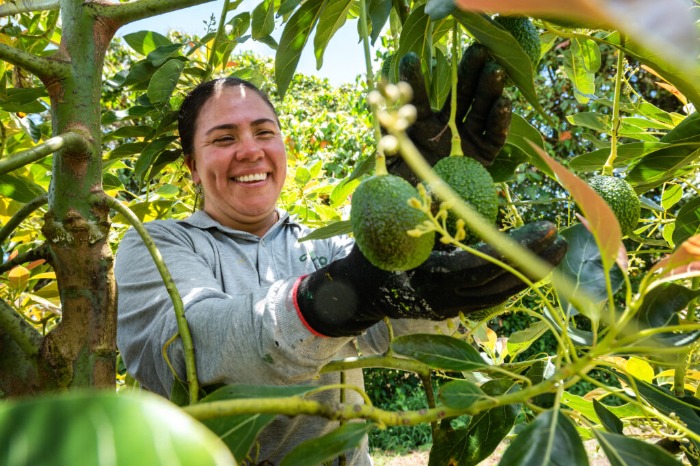
The Hass avocado agro-industry in Colombia continues to solidify its position as one of the country's most dynamic agricultural sectors. However, beyond export growth and its international standing, the true heart of the industry remains in the field, especially during flowering, fruit set, and fruit development, where the actual productivity of each season is determined. This is explained by Andrés David Parra Cañas, an agronomist and project management specialist, who analyzes how the agronomic conditions of 2026 could mark a highly significant second half of the year for the sector.
So far this year, an agronomic condition has been observed that has not been so evident in recent years: a strong and very pronounced flowering, especially homogeneous in the coffee-growing region. In contrast, in Antioquia and parts of Caldas, although flowering has been abundant, it has been scattered, registering between three and four months of continuous flowering to date.
This difference has direct implications for the main harvest in the second half of the year. A dispersed flowering presents a greater agronomic challenge due to the simultaneous hormonal processes the plant undergoes, which complicates pest and disease management and demands greater precision to avoid exceeding maximum residue limits (MRLs). Furthermore, from a logistical standpoint, it practically necessitates a double harvest, a practice required to maintain quality through proper fruit selection and to avoid developmental stages that could compromise the fruit's condition at its destination.
From a production perspective, the current scenario suggests an increase in export volumes during the second half of 2026 and even into early 2027. This is not only due to the current phenological stage but also to the fact that many plantations established between 2019 and 2021 are entering their peak productivity phases. This trend aligns with the recent 21% growth recorded between 2024 and 2025, solidifying Colombia's position within the global Hass avocado production landscape.
Unusual rains increase phytosanitary pressure
The positive outlook in physiological terms, however, comes with significant agronomic challenges. Recent weather conditions have been marked by high humidity due to atypical rainfall during months that normally correspond to the dry season. On average, rainfall increases of over 60% compared to historical averages are being recorded, in addition to hail events in various producing regions of the country, such as the recent cases in Quindío and Valle del Cauca.
This situation significantly increases the risk of flowering-related diseases, including anthracnose (Colletotrichum gloeosporioides), which causes necrosis and flower drop; botrytis (Botrytis cinerea), considered an opportunistic disease favored by the prior entry of another pathogen or damage caused by insects; and scab (Sphaceloma persea), all favored by humid environments.
Given this scenario, agronomic management in the coming weeks will be crucial. Parra points out that it will be key to reinforce phytosanitary protection programs through the strategic application of systemic fungicides such as azoxystrobin, difenoconazole, or mixtures like cyprodinil + fludioxonil, which protect the flower and young tissues during the critical stages of fruit set and initial development. He warns that these applications must always be carried out under the guidance of the agronomist responsible for the crop, respecting pre-harvest intervals and maximum residue limits (MRLs) to avoid compromising the quality or marketability of the fruit for export.
The challenge of caliber and international competitiveness
Currently, Hass avocado trees are simultaneously undergoing several physiological stages: flowering and fruit set, fruit filling, vegetative shoot emergence, and new root development. This condition demands particularly careful nutritional management to support the tree's physiology without creating internal competition for resources.
In this process, it is essential to reinforce elements such as phosphorus, magnesium, zinc, iron, and boron, as well as potassium in later stages. These nutrients play a key role in the maturation of vegetative shoots, hormonal regulation, and energy mobilization within the plant. Proper management allows for the stabilization of vegetative development and prevents new shoots from directly competing with the fruit set and initial fruit development process. The balance between vegetative growth and reproductive development will be crucial for the good flowering observed this year to translate effectively into exportable fruit.
If fruit set is successful, the next challenge will be managing the crop's yield and nutrition. Heavy flowering can lead to a high fruit load, and if this is not accompanied by timely adjustments to nutritional programs, there is a risk of overloading the plants, affecting fruit size and caliber, or causing significant fruit abortion after three months of fruit set.
In this context, one aspect is gaining traction that the industry will need to closely monitor in the coming months: the fruit size behavior for the main harvest of 2026 and early 2027. From a commercial standpoint, this factor is particularly sensitive, as the international market focuses its demand on specific size ranges that optimize logistics and retail marketing.
A higher proportion of smaller sizes could generate additional pressure on prices, particularly in a scenario where high volumes from other origins coincide, such as the end of the Peruvian harvest and the beginning of the Chilean harvest, which concentrates important export volumes to Europe, as has been observed during the last two years.
Therefore, agronomic management during the early stages of fruit development will be crucial to ensure that the good flowering observed in the field ultimately translates into fruit with competitive commercial characteristics, both in quality and size, and at the same time allows for strategic management of supply to maintain competitiveness in increasingly demanding international markets.
As Andrés David Parra Cañas concludes: “The recent future of Colombian Hass will depend less and less on how much we produce and more on how efficiently we transform that production into fruit of competitive quality and size for the international market.”